Sip, Sip, Hooray: The Best Wines for Crème Brûlée


Why Wine Pairing for Crème Brûlée Transforms Your Dessert Experience
Wine pairing for creme brulee lifts this beloved French dessert from delicious to absolutely divine. The right wine doesn’t just accompany your crème brûlée—it improves every spoonful, balancing the rich custard and complementing that signature caramelized sugar crust.
Quick Answer: Best Wines for Crème Brûlée
- Sauternes – Sweet Bordeaux with honeyed notes and balanced acidity
- Tokaji Aszú – Hungarian dessert wine with citrus and stone fruit flavors
- Late-Harvest Riesling – German wine with high acidity to cut through richness
- Tawny Port – Fortified wine with caramel and nutty notes
- Moscato – Light, floral option that pairs beautifully with spiced versions
The secret lies in matching sweetness levels while using the wine’s acidity to cleanse your palate between bites. As sommelier experts note, the creamy richness of crème brûlée can be “fatiguing” at the end of a meal if paired with an overly heavy sweet wine, making the right choice crucial for the perfect finish.
I’m Jonas Muthoni, editor with iLoveWine. Over the past decade, as I’ve explored wine regions from Bordeaux’s châteaux to Sicily’s volcanic vineyards, I’ve found that mastering wine pairing for crème brûlée opens up a world of flavor combinations that transform simple desserts into truly memorable experiences. Through countless tastings and pairings across different cultures, we’ve learned the precise balance needed to make both the wine and dessert shine together.
Understanding the Perfect Match: Deconstructing Crème Brûlée
Before we explore the wonderful world of wine pairings, let’s get to know our star: Crème Brûlée. This beloved French dessert—literally meaning “burnt cream”—is far more complex than it first appears, and understanding its layers is key to mastering wine pairing for crème brûlée.
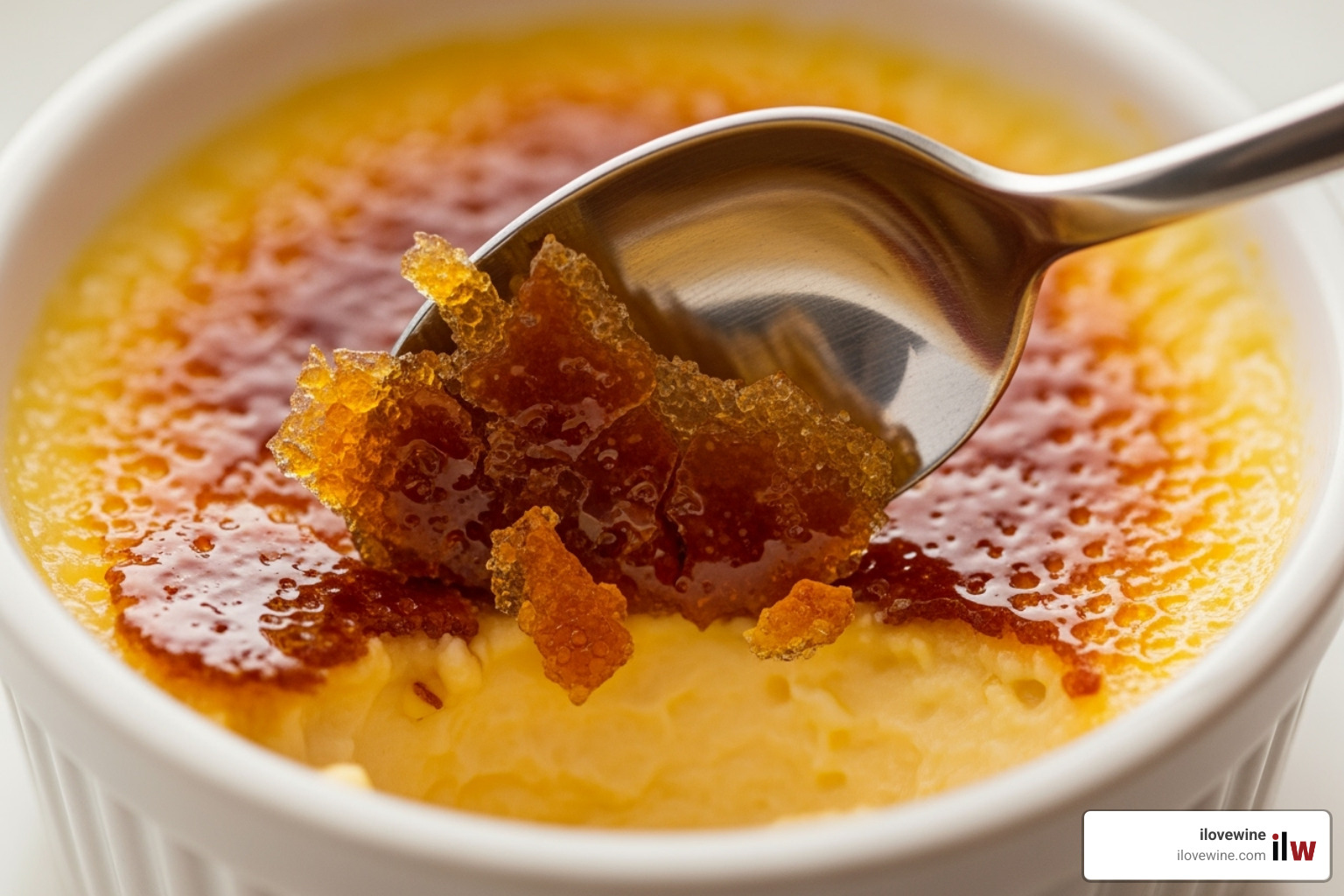
Think of Crème Brûlée as having two distinct personalities that need to work together. The rich, creamy custard provides luxurious smoothness, while the crunchy caramelized sugar crust adds textural excitement and complex sweet-bitter notes. These contrasting elements create both challenges and opportunities when selecting the perfect wine companion.
The Rich, Creamy Custard
The heart of every Crème Brûlée is its silky custard, crafted from heavy cream, egg yolks, and vanilla. This combination creates an incredibly rich, velvety texture that literally coats your palate with smooth, sweet luxury.
Here’s where wine selection becomes crucial: all that richness can quickly overwhelm your taste buds without the right balance. This is precisely why acidity plays such an important role in our wine choices. Just like a squeeze of lemon brightens a rich sauce, a wine with vibrant acidity acts as a natural palate cleanser.
Without proper acidity in your wine, each spoonful of custard becomes heavier than the last, creating what sommeliers call “palate fatigue.” The right acidic wine cuts through that creamy richness, making every bite feel as fresh and exciting as your first taste.
The “Brûlée”: That Irresistible Burnt Sugar Crust
Now for the star of the show—that signature caramelized sugar crust that gives Crème Brûlée its name and its magic. When you torch raw sugar on top of the custard, something beautiful happens: it melts, bubbles, and hardens into a thin, crispy layer that shatters satisfyingly under your spoon.
This burnt sugar crust offers a fascinating blend of sweet caramel notes and subtle bitter undertones derived from the caramelization process. The contrast between the crunchy texture and smooth custard beneath creates one of dessert’s most delightful moments.
This is where honeyed wines and nutty wines truly shine. Wines with complementary notes of toasted almonds, honey, or even a hint of smokiness echo and improve these caramelized flavors beautifully. The interplay between your wine’s profile and the complexity of burnt sugar is what transforms a good wine pairing for crème brûlée into something extraordinary.
For more insights on how contrasting textures and flavors create perfect harmony, check out our guide on the perfect cheese pairings.
How Recipe Variations Influence Your Wine Choice
While classic vanilla Crème Brûlée is timeless, creative chefs often add exciting flavor infusions that completely change our wine pairing game. Each variation opens up new pairing possibilities that can make your dessert experience even more memorable.
Chocolate Crème Brûlée pairs well with wines that have deeper, richer profiles—think Port, which complements its dark fruit notes and hints of cocoa. The chocolate’s intensity needs a wine that can match its boldness without being overwhelmed.
Coffee Crème Brûlée offers a roasted, aromatic complexity that pairs beautifully with wines that offer complementary nuttiness or caramel notes. A well-aged Tawny Port with its brown sugar characteristics creates a perfect harmony with those coffee flavors.
Ginger Crème Brûlée and other spiced versions transform the pairing landscape entirely. Here, Moscato pairing becomes magical—the wine’s floral aromatics and gentle sweetness complement warm spices like cinnamon, nutmeg, and ginger without competing.
Even fruit-topped Crème Brûlée featuring fresh berries or citrus zest guides us toward wines with bright, zesty profiles. A Late-Harvest Riesling’s natural acidity can beautifully complement tart berries, while Moscato d’Asti’s delicate bubbles and fruit notes improve citrus-topped versions.
Understanding these flavor variations allows you to fine-tune your wine pairing for creme brulee choices, creating harmonious combinations that make both the wine and dessert shine even brighter together.
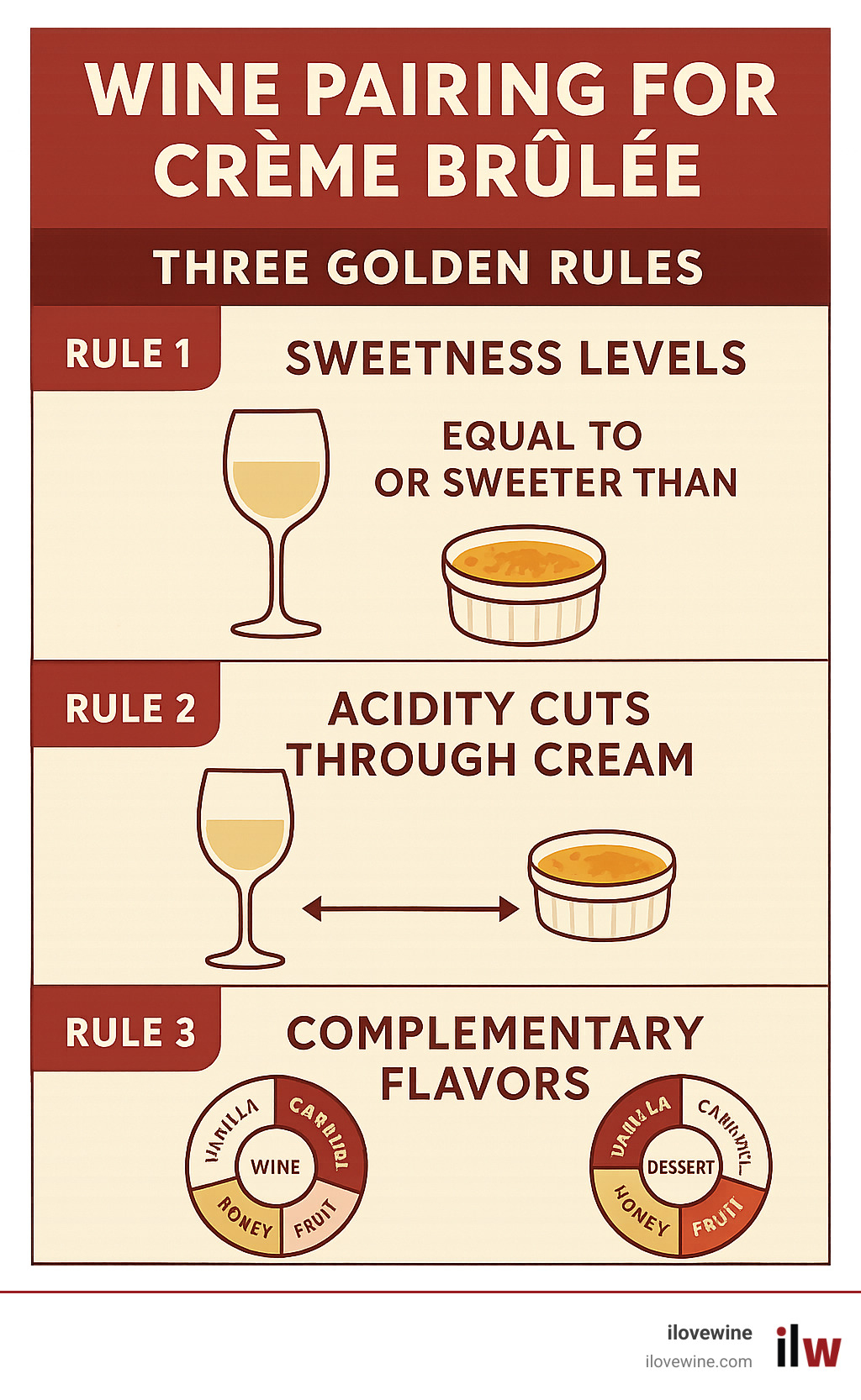
The Golden Rules of Wine Pairing for Crème Brûlée
Think of wine pairing for crème brûlée as a delicate dance between two partners. When done right, they move together in perfect harmony. When done wrong? Well, let’s just say it’s more like stepping on toes.
After years of tasting wines with desserts across different regions, I’ve found that successful pairings follow three fundamental principles. Master these, and you’ll never serve a disappointing combination again.
Rule #1: Sweetness Meets Sweetness
Here’s the golden rule that trips up even experienced wine lovers: your wine must be at least as sweet as your dessert. This isn’t just a suggestion—it’s absolutely crucial for wine pairing for crème brûlée.
Picture this: you take a bite of that luscious, sweet custard with its caramelized sugar topping, then follow it with a sip of wine that’s less sweet. Suddenly, your beautiful wine tastes sour and bitter. The dessert’s sweetness makes the wine seem harsh and unpleasant, completely ruining both the experience and the wine.
This happens because of residual sugar—the natural grape sugars left unfermented in the wine. Crème brûlée, with its rich custard and burnt sugar crust, brings serious sweetness to the table. Your wine needs enough residual sugar to match that level, creating a harmonious balance where both the dessert and wine can shine together.
Rule #2: The Power of Acidity
Now, here’s where things get interesting. While sweetness creates harmony, acidity is what makes the pairing truly magical. Without it, even the sweetest wine can leave you feeling overwhelmed by richness.
Think about that incredibly creamy custard coating your palate. It’s luxurious, but after a few bites, it can feel heavy. This is where a wine’s bright acidity becomes your best friend. It cuts through that richness like a gentle breeze, refreshing your palate and preparing it for the next delicious spoonful.
This vibrant acidity prevents what we call palate fatigue—that feeling when rich foods start to lose their appeal because your taste buds are overwhelmed. A wine with good acidity keeps each bite of crème brûlée tasting as fresh and exciting as the first. It’s the difference between finishing your dessert with satisfaction versus pushing it away half-eaten.
Rule #3: Wines to Avoid with Crème Brûlée
Learning what not to serve is just as important as knowing the perfect matches. Some wines will clash so dramatically with crème brûlée that they’ll ruin both the dessert and the wine experience.
Dry red wines are the biggest culprits here. Those tannins that make a Cabernet Sauvignon so wonderful with steak? They become bitter and astringent when paired with sweet, creamy desserts. The sweetness of the crème brûlée amplifies the wine’s harsh qualities, while the tannins make the dessert taste overly cloying. It’s a lose-lose situation.
Dry white wines present their own challenges. A crisp Sauvignon Blanc might be refreshing with oysters, but next to crème brûlée, it becomes sharp and thin. The wine’s acidity, lacking sufficient sweetness to balance it, becomes unpleasantly tart against the dessert’s richness.
Finally, avoid overpowering wines—even sweet ones that are too alcoholic or flavored. The delicate vanilla notes in your custard and the subtle caramel flavors of that perfect sugar crust deserve a wine that complements rather than dominates.
The key is finding that sweet spot where both elements improve each other, creating something more beautiful than either could achieve alone. For more insights into thoughtful pairing principles, check out our guide to wine pairing with organic food.
The Classic Champions: Top Wine Pairings for Crème Brûlée
When it comes to wine pairing for crème brûlée, certain wines have earned legendary status in the dessert world. These aren’t just random picks—they’re time-tested favorites that sommeliers reach for again and again because they create pure magic with this beloved French dessert.
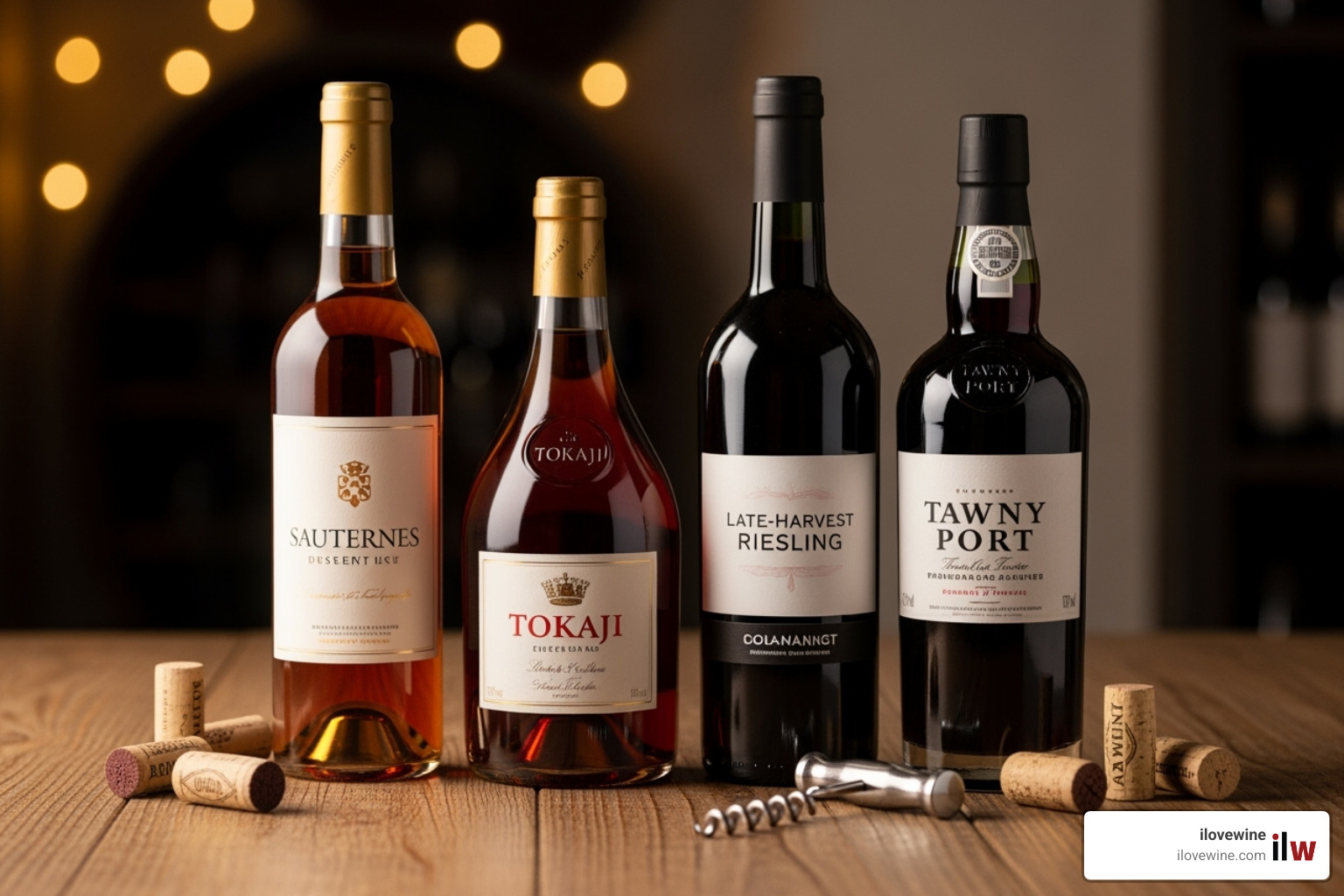
Think of these wines as the dream team of dessert pairings. Each one brings something special to the table, perfectly balancing that rich custard while playing beautifully with the caramelized sugar crust.
Sauternes: The Quintessential Partner
If there’s one wine that was practically born to dance with Crème Brûlée, it’s Sauternes. This golden beauty from Bordeaux has a fascinating backstory—it’s made from grapes affected by something called “noble rot” (Botrytis cinerea), which sounds awful but creates pure liquid gold.
This magical fungus concentrates the grape’s sugars, creating incredibly complex flavors. We’re talking apricot, honey, and peach notes that seem tailor-made for custard desserts. The Sémillon grape gives Sauternes its signature richness while maintaining that crucial balanced acidity that keeps everything from feeling too heavy.
What makes Sauternes truly special with Crème Brûlée is how its honeyed sweetness mirrors the dessert’s caramelized top, while its bright acidity cuts through the rich custard base. It’s a delicious partner to the crunchy custard texture, creating perfect harmony in every spoonful.
Tokaji Aszú: The Hungarian Nectar
Don’t overlook this Hungarian wine—Tokaji Aszú is pure liquid poetry. Like Sauternes, it benefits from noble rot, but it brings its own unique personality to the party. This wine is renowned for its honeyed flavors, combined with bright citrus notes and a beautiful stone fruit character.
The magic happens when Tokaji’s velvety texture meets Crème Brûlée’s creamy custard. Its vibrant acidity provides that essential palate-cleansing effect, while the honey and citrus flavors create beautiful bridges between the dessert’s vanilla custard and caramelized sugar elements. It’s like having a conversation where both participants are equally fascinating.
Late-Harvest Riesling: Aromatic and Zesty
German wine lovers, this one’s for you. Late-Harvest Riesling brings an aromatic intensity that can absolutely transform your Crème Brûlée experience. Picture ripe pear and wildflower honey notes wrapped in the grape’s naturally high acidity.
This is where things get exciting—that acidity is your secret weapon for highlighting creaminess without overwhelming your palate. The honey notes complement the caramelized sugar perfectly, while the wine’s freshness keeps each bite feeling as delightful as the first. If you’re curious about exploring more aromatic options, check out our guide to Explore more white wine pairings.
Tawny Port: A Caramel Dream
Now we’re entering fortified wine territory, and Tawny Port is absolutely stunning with Crème Brûlée. This Portuguese treasure spends years aging in wooden barrels, developing those incredible nutty notes, brown sugar character, and rich caramel flavors that seem designed specifically for complementing the brûlée topping.
Aged port brings a depth and richness that can stand toe-to-toe with the custard’s creaminess. Those caramel and toffee notes create an almost seamless bridge with the dessert’s burnt sugar crust. It’s like they were meant to be together—which, honestly, they probably were.
The beauty of these classic pairings lies in their reliability. Each one follows our golden rules perfectly while bringing its own personality to improve your Crème Brûlée experience. Whether you prefer the honeyed elegance of Sauternes or the caramel richness of Tawny Port, you really can’t go wrong with any of these sommelier recommendations.
Beyond the Classics: Adventurous & Unconventional Pairings
While the classic pairings are absolutely fantastic, there’s a whole world of exciting and unexpected options for wine pairing for creme brulee that can truly surprise your taste buds. These unconventional matches often work by highlighting different aspects of the dessert or creating delightful contrasts that make both the wine and dessert shine in new ways.
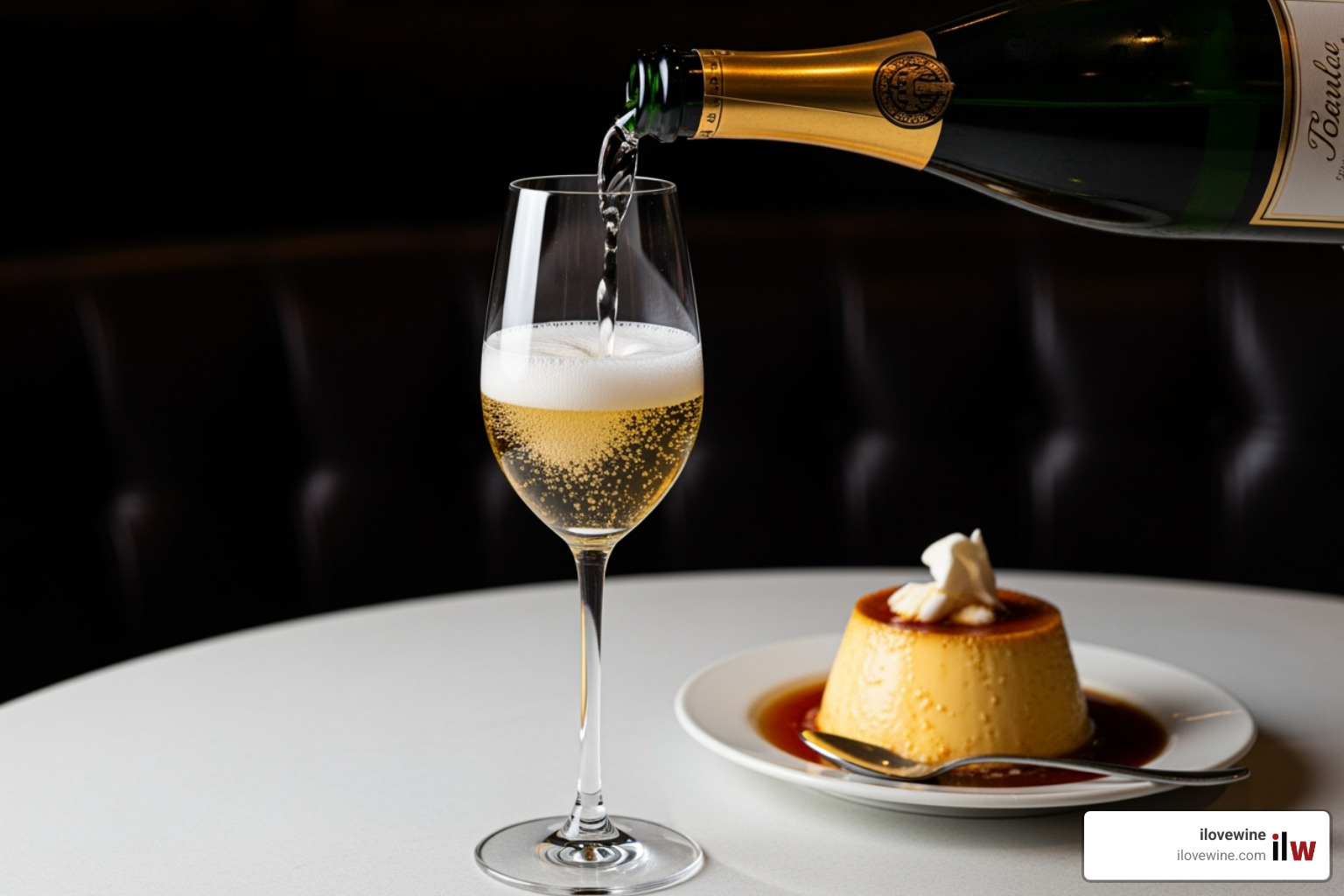
Sparkling Wines & Champagne: A Bubbly Surprise
Here’s something that might surprise you: Demi-Sec Champagne or Moscato d’Asti can be absolutely magical with Crème Brûlée. I know, I know—most people immediately think of still sweet wines when pairing with desserts. But hear me out on this one.
The bubbles are the secret weapon here. Those lively, dancing bubbles act like tiny palate cleansers, cutting right through the rich, creamy custard and making each bite feel fresh and exciting. It’s like hitting a reset button for your taste buds between spoonfuls.
Demi-Sec Champagne brings elegance and just enough sweetness to complement the dessert without overwhelming it. The effervescence lifts the heaviness that cream-based desserts can sometimes create, making the whole experience feel lighter and more refreshing.
Moscato d’Asti is particularly charming if you’re serving fruit-topped variations of Crème Brûlée. Its lower alcohol content and fruity, slightly sweet profile creates a playful contrast that’s both surprising and delightful.


Vinsanto: A Mediterranean Treasure
From the stunning volcanic island of Santorini comes Vinsanto, a dessert wine that’s truly something special. Made from sun-dried Assyrtiko grapes and aged in wood for several years, this wine develops an incredible depth and concentration, making it an expert choice for pairing with rich desserts.
What makes Vinsanto fascinating is its complex personality. You’ll find notes of dried fruits, honey, and nuts, but there’s also this distinctive savory undertone that keeps things interesting. The bright acidity—a signature of the Assyrtiko grape—is what makes this pairing really work. It prevents the combination from becoming too sweet or heavy, instead creating a beautiful balance that highlights both the creamy custard and the caramelized sugar.
It’s a sophisticated choice that brings a touch of Mediterranean sunshine to your dessert course. The fine concentration and wood-aging create layers of flavor that unfold beautifully alongside each spoonful of Crème Brûlée.
Sweet Chardonnay: A Rare Delight
Now here’s something you don’t see every day: sweet Chardonnay. While most Chardonnays are dry and crisp, some talented winemakers create exceptional sweet versions, often using noble rot to concentrate the flavors. These are rare gems that offer an unusual and excellent pairing suggestion for wine pairing for creme brulee.
What makes sweet Chardonnay special is its less cloying nature compared to some traditional dessert wines. It boasts a racy profile that combines the grape’s natural fruitiness with the honeyed complexity derived from botrytis, all while maintaining a refreshing acidity that keeps your palate engaged.
This California grape, when crafted into a dessert wine, creates a nuanced pairing that can stand up to Crème Brûlée’s richness while offering a slightly different aromatic complexity. It’s definitely an adventurous choice that wine lovers will appreciate. For more insights into this versatile grape, explore our guide on Chardonnay Food Pairings.
The beauty of these unconventional pairings lies in their ability to surprise and delight. They show that wine pairing for crème brûlée doesn’t have to follow a strict rulebook—sometimes the most memorable combinations come from thinking outside the box and trusting your palate to guide you toward exciting new finds.
Frequently Asked Questions about Wine Pairing for Crème Brûlée
Let’s tackle the most common questions we hear about wine pairing for crème brûlée. These are the real-world queries that come up when you’re standing in the wine shop or planning a dinner party, wondering if your wine choice will make or break the dessert course.
Can I pair red wine with Crème Brûlée?
Here’s the honest answer: generally, no. Most red wines and Crème Brûlée are like oil and water—they just don’t mix well. The culprit? Those tannins in dry red wines create a harsh clash with the dessert’s sweetness, making the wine taste bitter and the dessert seem cloyingly sweet.
But before you completely rule out reds, there are a couple of brave exceptions worth considering. Ruby Port brings deep, fruity notes of blackberry and plum that can actually complement chocolate or berry-infused Crème Brûlée. The key is that it’s sweet enough to match the dessert’s sugar level.
Another adventurous option is chilled Lambrusco—yes, chilled! This slightly sparkling Italian wine has low tannins and enough acidity to refresh your palate between spoonfuls. It’s unconventional, but it can work beautifully for those who love to experiment.
What is the best serving temperature for dessert wines with Crème Brûlée?
Temperature makes all the difference in wine pairing for crème brûlée. Your dessert wines should be well-chilled, between 45°F and 50°F (that’s 7°C and 10°C for our metric friends). This isn’t just a random rule—there’s real science behind it.
When dessert wines are properly chilled, their sweetness feels balanced rather than overwhelming. The cool temperature also provides a lovely contrast to the rich, creamy custard, making each sip refreshing rather than heavy. Think of it like having a cold glass of lemonade on a hot day—the temperature change actually improves the flavors.
Pour your wine into small dessert wine glasses if you have them. These concentrate the aromas and encourage slower sipping, letting you truly savor each nuanced flavor alongside your Crème Brûlée.
Are there any good non-alcoholic pairings for Crème Brûlée?
Absolutely! Sometimes you want that perfect pairing without the alcohol, and there are some fantastic options that follow the same principles as wine pairing.
Dark roast coffee is perhaps the most classic non-alcoholic companion. Its bitter notes create that perfect contrast we love in wine pairings, cutting through the dessert’s richness while highlighting those vanilla and caramel flavors. It’s why so many restaurants automatically bring coffee with dessert—it just works.
Earl Grey tea offers a more delicate approach, with its bergamot notes complementing the vanilla custard beautifully. For something with more warmth and spice, spiced chai brings its own aromatic complexity that pairs wonderfully with any Crème Brûlée variations that include cinnamon or other warm spices.
The secret is finding beverages that either provide a bitter contrast to balance the sweetness, or offer complementary flavors that improve the dessert’s profile—exactly the same principles we use when choosing wines.
Conclusion
Mastering wine pairing for crème brûlée transforms this beloved French dessert from simply delicious to absolutely extraordinary. Throughout our journey together, we’ve found that success lies in understanding the dessert’s dual personality—that rich, velvety custard paired with the dramatic crackle of caramelized sugar.
The foundation of great pairing rests on those three golden rules we explored: matching sweetness levels so your wine doesn’t taste sour against the dessert, using acidity as your secret weapon to cut through all that luxurious cream, and choosing complementary flavors that dance together rather than fight for attention.
Whether you choose the honeyed elegance of a Sauternes, the vibrant complexity of a Hungarian Tokaji, the zesty freshness of a Late-Harvest Riesling, or the caramel-rich accept of a Tawny Port, each classic pairing offers its own magical moment. These time-tested combinations have earned their reputation for good reason—they simply work beautifully together.
For those feeling adventurous, don’t overlook the surprising delight of sparkling wines or the Mediterranean treasure that is Vinsanto. Sometimes, the most unexpected pairings create the most memorable experiences. Even a rare sweet Chardonnay can surprise and delight when you find the right bottle.
The best wine pairing for crème brûlée is ultimately the one that brings you joy. Start with these guidelines, but don’t be afraid to experiment and find your own perfect matches. Every palate is unique, and part of the fun lies in the exploration.
We’d love to hear about your own pairing trips and findies. Share your experiences with fellow wine lovers in the iLoveWine community—after all, the best wine experiences are the ones we share with others.
Explore our complete Food and Wine Pairing Guide
What's Your Reaction?