Beyond the Brut: Navigating Sparkling Wine Sweetness Levels


Understanding the Sparkling Wine Confusion
The Prosecco vs Brut comparison is one of the most common sources of confusion in the sparkling wine world. Here’s the quick answer:
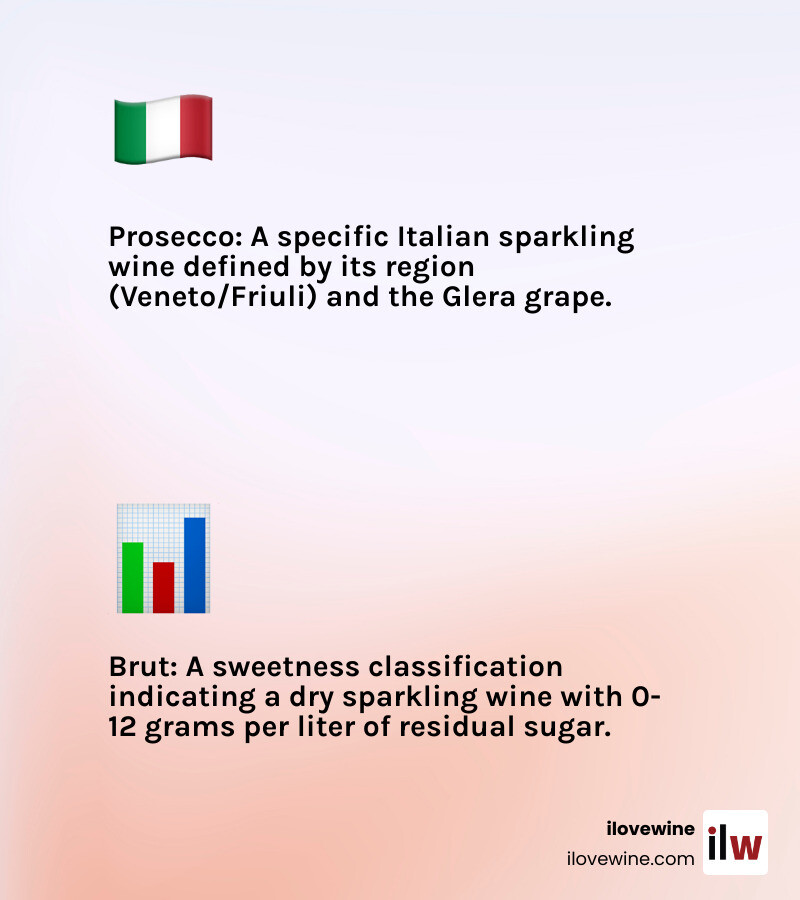
Prosecco is a type of sparkling wine from Italy made primarily from Glera grapes
Brut is a sweetness classification that describes how dry a sparkling wine tastes
| Aspect | Prosecco | Brut |
|---|---|---|
| What it describes | Wine type and origin | Sweetness level |
| Can be combined | Yes – you can have “Prosecco Brut” | Yes – applies to many sparkling wines |
| Sugar content | Varies by style | 0-12 grams per liter |
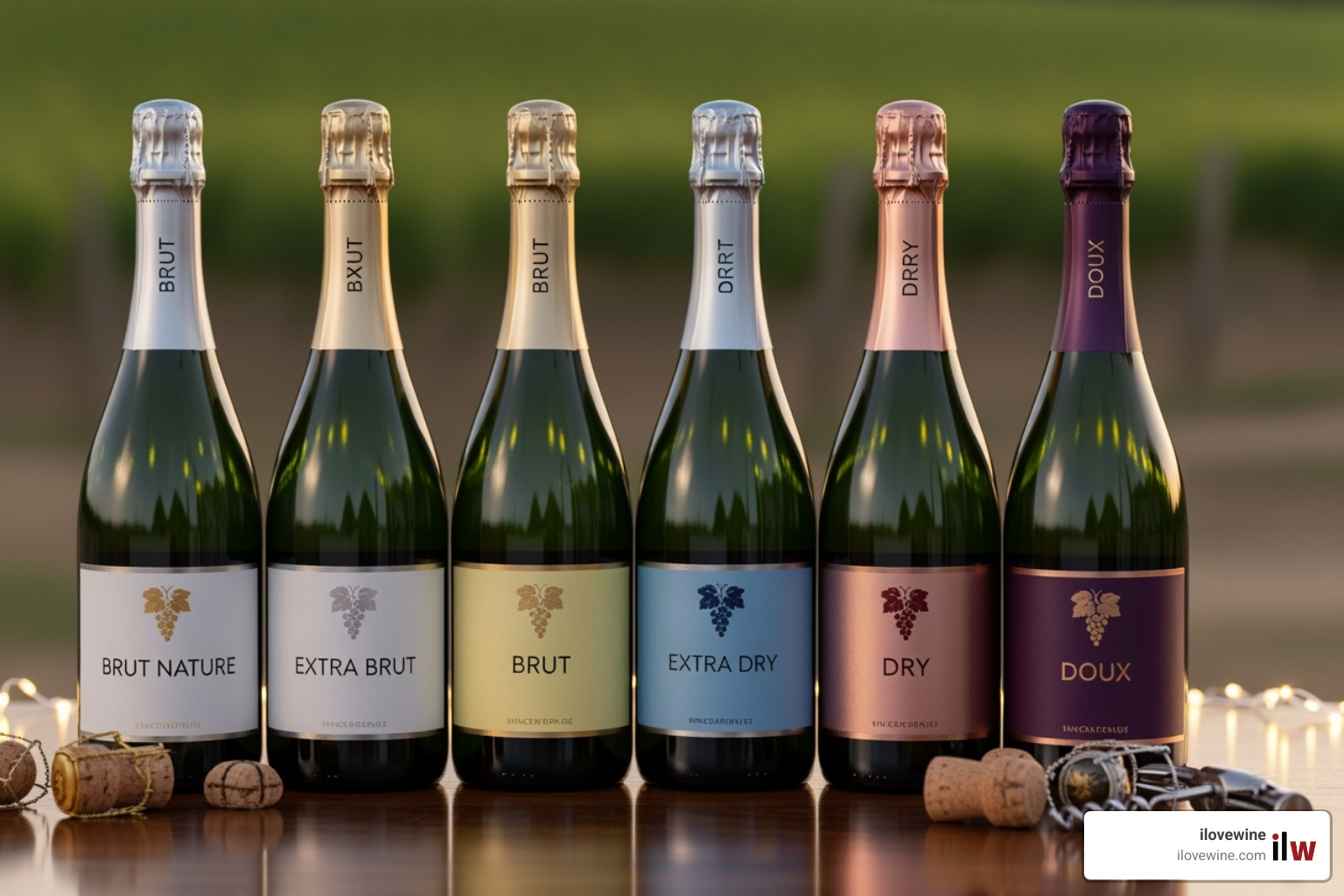
You may be surprised to find that Prosecco is available in 6 different sweetness levels, from the fairly new classification (for Prosecco) of Brut Nature, the driest, to the sweetest style Demi-Sec. This confusion stems from the fact that many people use these terms interchangeably, when they’re actually describing completely different aspects of sparkling wine.
The real issue? Most wine shops only carry Brut and Extra Dry styles to keep things simple for customers. But understanding the full sweetness spectrum opens up a world of pairing possibilities and helps you find exactly what you’re looking for.
I’m Jonas Muthoni ILW, and over the past decade I’ve explored sparkling wine regions from Champagne to Valdobbiadene, learning how the prosecco vs brut distinction shapes everything from production methods to flavor profiles. Through countless tastings and vineyard visits, I’ve finded that mastering this difference is the key to navigating the sparkling wine world with confidence.
Decoding the Labels: What is Prosecco?
Let’s clear up one of the biggest misconceptions in the prosecco vs brut discussion: Prosecco isn’t just a style of sparkling wine—it’s a place and a specific type of wine with strict rules about where it can be made.
When you pick up a bottle of authentic Prosecco, you’re holding a piece of northeastern Italy. This bubbly treasure comes from two main regions: the rolling hills of Veneto and parts of Friuli-Venezia Giulia. The landscape here is absolutely stunning, with vineyards cascading down hillsides that have been producing grapes for centuries.
The star of the show is the Glera grape. This white grape variety gives Prosecco its signature fresh, fruity character. Here’s what makes it official: to earn the Prosecco name, a wine must contain at least 85% Glera grapes. The remaining 15% can include other approved local varieties, but Glera is the main performer.
These aren’t just suggestions—they’re strict production standards enforced by Italian law. This category ensures that Prosecco, such as Bella Principessa Prosecco, maintains consistent quality and represents the unique characteristics of its region.
The Significance of DOC and DOCG
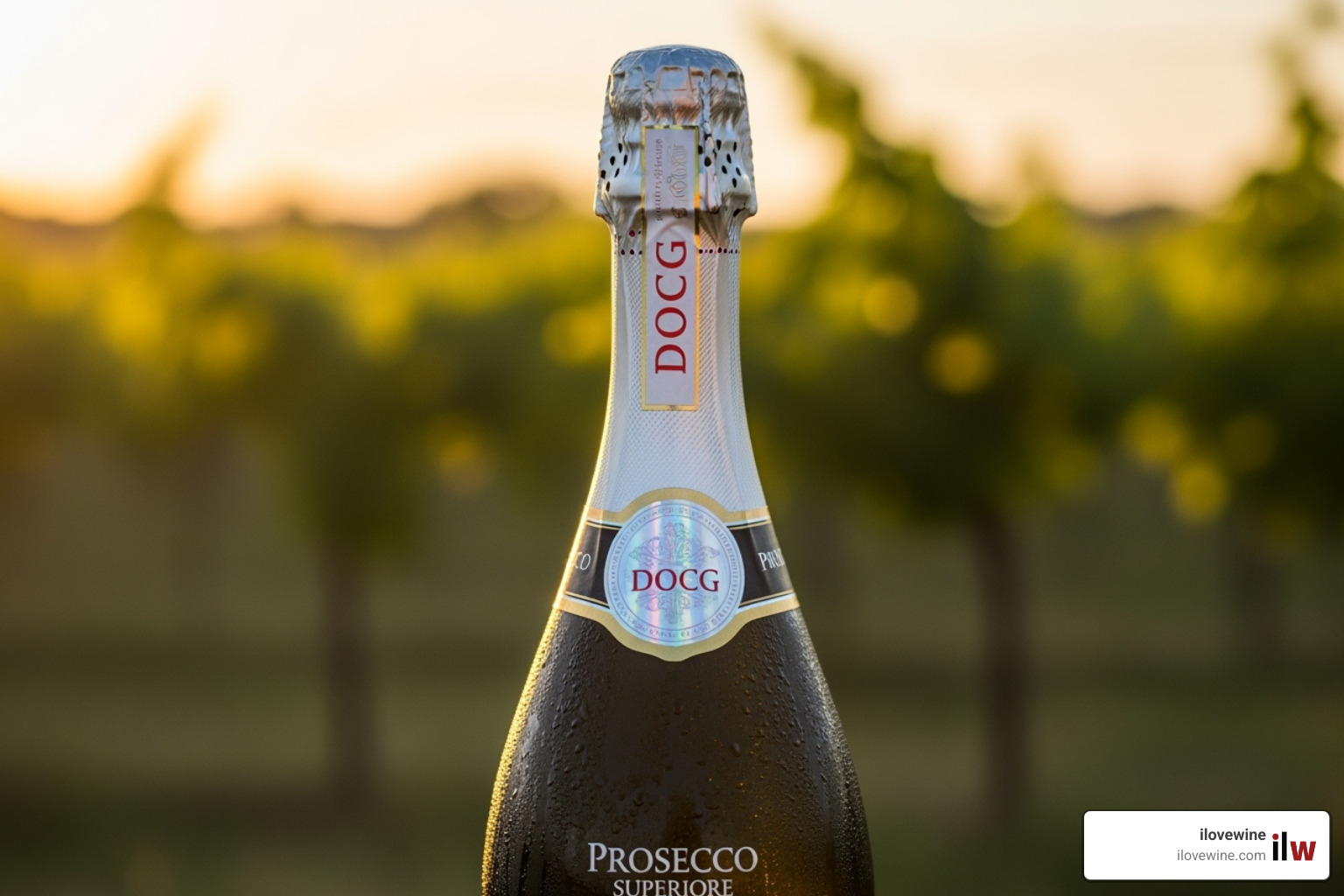
Those mysterious letters on Prosecco bottles aren’t just alphabet soup—they’re your quality assurance system. Italy takes wine seriously, and these classifications protect both winemakers and wine lovers.
Denominazione di Origine Controllata (DOC) is like a passport for Prosecco. It guarantees the wine comes from approved areas across nine provinces in Veneto and Friuli-Venezia Giulia. Think of DOC as the foundation level—it ensures you’re getting authentic Prosecco made according to established standards.
However, there’s also the premium tier: Denominazione di Origine Controllata e Garantita (DOCG). This is Italy’s highest wine classification, and it’s much more exclusive. For Prosecco, DOCG status is reserved for wines from the prestigious hills of Conegliano Valdobbiadene.
Why does geographic specificity matter so much? The soils, climate, and elevation in these historic areas create unique growing conditions. DOCG Proseccos often show more complexity and elegance because of this superior terroir. When you see that special DOCG neck label, you know you’re getting something special—and you’ll taste the difference.
Understanding “Millesimato”
Here’s a term that even seasoned wine lovers sometimes miss: Millesimato. This Italian word simply means “vintage,” but it signals something important about the Prosecco in your glass.
When a Prosecco is labeled Millesimato, it means at least 85% of the grapes came from a single harvest year. That specific year will be proudly displayed on the label—it’s the winemaker’s way of saying, “This harvest was so exceptional, we want you to know exactly when it happened.”
Most Proseccos blend grapes from different years to maintain consistency. But Millesimato is different. It’s a quality indicator that suggests the grapes from that particular vintage were exceptional enough to be showcased on their own.
Label identification is easy once you know what to look for. You’ll see the vintage year clearly marked, often alongside the Millesimato designation. These wines typically offer more character and complexity than their non-vintage cousins, making them perfect for special occasions or when you want to explore what Prosecco can truly achieve.
The Sweetness Scale: What Does ‘Brut’ Actually Mean?
Here’s where things get interesting in the Prosecco vs Brut debate. While Prosecco tells us where the wine comes from, ‘Brut’ tells us something completely different – how sweet (or dry) it tastes.
Think of Brut as a universal language spoken by sparkling wines around the world. Whether you’re sipping Champagne in France, Cava in Spain, or Prosecco in Italy, when you see ‘Brut’ on the label, you know exactly what to expect in terms of sweetness.
The sweetness in sparkling wine comes from residual sugar – basically, the natural grape sugars left over after fermentation. Winemakers can also fine-tune this through a process called dosage, where they add a small amount of sugar and wine just before sealing the bottle.
This measurement is expressed in grams per liter, and there’s actually an International Sparkling Wine Scale that maintains consistency and standardization. Pretty neat, right?
From Driest to Sweetest
Let me walk you through the sweetness spectrum from bone-dry to dessert-sweet. Understanding these levels will transform how you choose sparkling wine:
Brut Nature (also known as Pas Dosé) is the ultimate dry experience, with 0-3 grams of sugar per liter. No sugar added, no apologies – just pure, crisp wine that lets the grapes do all the talking.
Extra Brut steps it up slightly to 0-6 grams per liter. Still incredibly dry, but with just enough softness to take the edge off.
Brut is the crowd-pleaser, with less than 12 grams of sugar per liter. This is what most people think of as “dry” sparkling wine, and it’s the most popular style worldwide for good reason – it’s versatile, food-friendly, and refreshing.
Extra Dry contains 12-17 grams per liter, and here’s where things get confusing. Despite its name, this is actually sweeter than Brut! The hint of sweetness makes it incredibly approachable for new sparkling wine drinkers.
Dry (or Secco in Italian) jumps to 17-32 grams per liter. Yes, “Dry” is sweeter than “Extra Dry” – I promise this will make sense in a moment.
Demi-Sec brings us into noticeably sweet territory at 32-50 grams per liter, while Doux is the dessert wine category at 50+ grams per liter.
The “Extra Dry” Paradox
Let’s address the elephant in the room – why on earth is “Extra Dry” sweeter than “Brut”? This linguistic puzzle has confused wine lovers for decades, and honestly, it’s one of those charming quirks that makes wine culture so fascinating.
The answer lies in history. Centuries ago, sparkling wines were much sweeter than what we drink today. What people considered “dry” back then would taste quite sweet to our modern palates. When winemakers wanted to create something even less sweet, they referred to it as “Extra Dry.”
As tastes evolved and truly dry styles like Brut emerged, the old naming conventions stuck around. It’s like having an old family recipe where “a pinch of salt” actually means a tablespoon – the language stayed the same even as the reality changed.
So here’s your cheat sheet: if you want dry, choose Brut. If you want a touch of sweetness that won’t overwhelm your palate, go for Extra Dry. And if anyone gives you a hard time about the confusing names, just smile and pour them a glass – the taste will explain everything the labels can’t.
The Ultimate Comparison: Prosecco vs Brut Styles
Now that we’ve explored what makes each term unique, let’s dive into the heart of the prosecco vs brut conversation. Here’s where things get really interesting – we’re comparing Prosecco as a specific wine type against the broader world of Brut-style sparkling wines.
Think of it this way: when you pick up a bottle of Prosecco Brut, you’re getting the best of both worlds – the fresh, fruity character of Italian Prosecco with the crisp dryness of the Brut style. But how does this compare to other Brut sparkling wines, such as Champagne or Cava?
| Aspect | Prosecco (typically Brut or Extra Dry) | Typical Brut Sparkling Wine (e.g., Champagne, Cava) |
|---|---|---|
| Grape Variety | Primarily Glera (min. 85%) | Chardonnay, Pinot Noir, Pinot Meunier (Champagne); Macabeo, Parellada, Xarel-lo (Cava) |
| Production Method | Charmat (Tank) Method | Traditional (Bottle) Method |
| Typical Flavors | Green apple, pear, honeydew melon, white flowers, citrus zest | Lemon, green apple, toasted brioche, almond, mineral, sometimes nutty/yeasty notes |
| Bubble Character | Larger, livelier, less persistent | Finer, more persistent, creamy mousse |
| Acidity | Moderate to high | High |
| Body | Lighter, fruit-driven | Medium to full-bodied, complex |
| Price Point | Generally more affordable | Generally higher (due to labor-intensive method, aging) |
The key difference isn’t just about sweetness levels – it’s about completely different winemaking philosophies. Prosecco celebrates immediate pleasure and bright fruit flavors, while many other Brut sparkling wines focus on developing complex, layered characteristics over time.
Production Methods: A Prosecco vs Brut Deep Dive
The production method is where the prosecco vs brut comparison gets really fascinating. It’s like comparing two different approaches to creating sparkling magic.
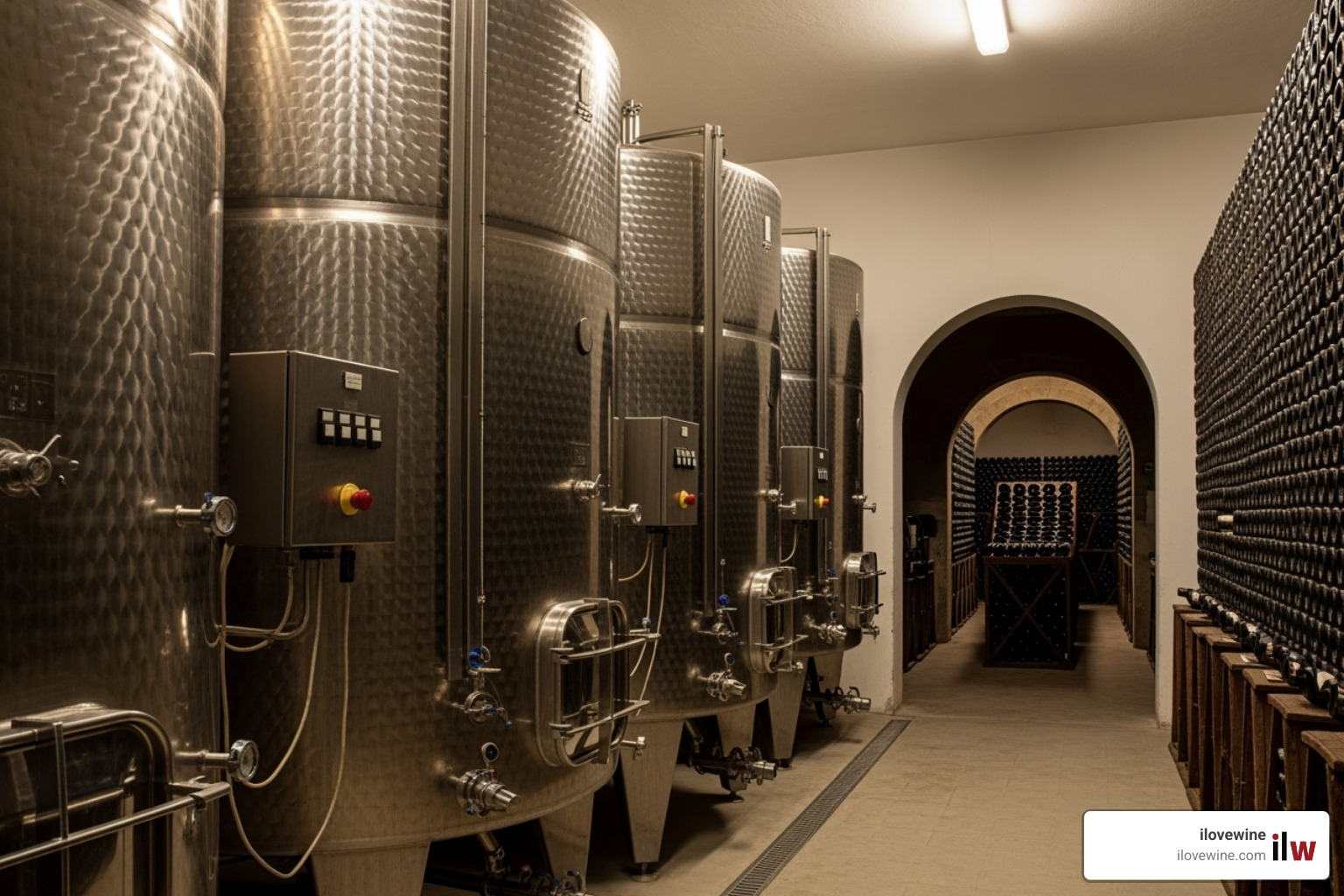
The Charmat-Martinotti Method is Prosecco’s signature move. After the Glera grapes complete their first fermentation, the still wine heads into large, pressurized stainless steel tanks called autoclaves. Here’s where the magic happens – yeast and sugar are added, creating those delightful bubbles through secondary fermentation right in the tank.
This process is beautifully efficient, taking just weeks or a few months. The minimal contact with yeast lees means the wine stays fresh and fruit-forward, preserving all those lovely green apple and pear notes that make Prosecco so appealing. It’s like capturing summer in a bottle – immediate, joyful, and refreshing.
The Traditional Method takes a completely different approach. Used for many premium Brut sparkling wines, this method is all about patience and complexity. The secondary fermentation happens inside each individual bottle, followed by months or even years of aging on the lees (those dead yeast cells that work their flavor magic).
This extended contact creates those signature toasted brioche and almond flavors you’ll find in traditional method sparkling wines. The process includes riddling (gradually turning bottles to collect sediment) and disgorgement (removing that frozen sediment) before adding the final dosage to adjust sweetness.
The contrast is striking – Charmat Method prioritizes fresh fruit and immediate enjoyment, while Traditional Method builds complexity and depth over time. This explains why a bottle of Prosecco can deliver such delightful freshness at a fraction of the cost of traditional method sparkling wines.
Flavor Profiles: A Prosecco vs Brut Taste-Off
When we taste these wines side by side, the prosecco vs brut difference becomes crystal clear on your palate.
Prosecco brings the party with its bright, clean personality. Those Glera grapes, combined with the Charmat method, produce wines that burst with green apple crispness, juicy pear sweetness, and hints of honeydew melon. You’ll often catch delicate white floral notes dancing in the background. The body stays light and refreshing, with bubbles that are larger and more playful – they practically bounce on your tongue before fading away.
Traditional Method Brut styles offer a more contemplative experience. While you might still taste green apple and citrus, these flavors are woven together with more complex, savory elements. Think of warm, toasted brioche from your favorite bakery, with subtle almond notes and a distinctive mineral backbone that cuts through rich foods beautifully.
The bubbles tell their own story too – finer, more persistent, creating that luxurious creamy mousse that lingers long after you swallow. The higher acidity provides structure and elegance that pairs beautifully with more sophisticated dishes.
Both styles have their place in your wine journey. Prosecco offers a joyful, fruit-forward celebration, while Traditional Method Brut provides deeper, more nuanced complexity. It’s not about better or worse – it’s about different occasions, different moods, and different moments to savor.
Perfect Pairings: Matching Food with Your Fizz
The magic of sparkling wine lies in its incredible versatility at the dinner table. Whether you’re pouring a Prosecco vs Brut style, those dancing bubbles and bright acidity work like a reset button for your palate, cleansing it between bites and making almost any dish taste better.

The secret to great sparkling wine pairings comes down to understanding how acidity cuts through fat and how sweetness balances spice. Think of your sparkling wine as a culinary partner that can either complement similar flavors or provide a refreshing contrast to rich, salty, or spicy dishes.
The beauty of the prosecco vs brut comparison really shines when you start matching different sweetness levels to specific foods. It’s like having a toolbox where each wine serves a different purpose at your table.
Pairing by Sweetness Level
When you understand your wine’s sweetness level, finding the perfect food match becomes so much easier. Let me walk you through how each style works its magic.
Extra Brut and Brut styles are the workhorses of the sparkling wine world. Their bone-dry character and crisp acidity make them incredibly food-friendly. These wines practically beg to be paired with food rather than sipped alone.
Seafood becomes absolutely sublime with these dry styles. Picture yourself slurping fresh oysters while sipping a crisp Brut – the wine’s clean acidity improves the briny sweetness of the shellfish without competing with it. Grilled fish, lobster, and delicate crab dishes all sing when paired with these drier bubbles.
Here’s something that might surprise you: Brut sparkling wines are fantastic with fried foods. That golden fried chicken or crispy calamari? The bubbles and acidity slice right through the oil, cleansing your palate so each bite tastes as good as the first. It’s like having a built-in palate refresher.
Salty snacks create pure magic with Brut styles. The saltiness in foods like aged cheeses, charcuterie, or even simple salted nuts makes the fruit flavors in the wine pop while the effervescence keeps everything light and lively.


Extra Dry and Dry Proseccos open up completely different pairing possibilities thanks to their touch of residual sugar. This subtle sweetness makes them more approachable with certain dishes that might overwhelm a bone-dry wine.
Spicy cuisine is where these slightly sweeter styles truly excel. That hint of sugar in Extra Dry Prosecco provides the perfect cooling effect against spicy Thai curries, Indian dishes, or Mexican food. The sweetness doesn’t mask the heat – it creates a beautiful balance that lets you enjoy both the spice and the wine.
Cured meats like prosciutto or salami create a delightful sweet-and-salty dance with Extra Dry styles. The wine’s subtle sweetness plays beautifully against the salt-cured flavors while the bubbles keep your palate from getting overwhelmed.
Fresh and creamy cheeses pair wonderfully with these slightly sweeter styles. Think fresh mozzarella, burrata, or mild goat cheese. The wine’s gentle sweetness complements the creamy textures without overpowering the delicate flavors.
For lighter desserts, particularly those featuring fresh berries or stone fruits, Extra Dry and Dry Proseccos can be absolutely perfect. They’re sweet enough to complement the fruit without being cloying, and the bubbles add a festive touch to any dessert course.
The key to successful pairing is remembering that sparkling wine should improve your food, not fight with it. Whether you choose a bone-dry Brut or a slightly sweeter Extra Dry, you’re creating a partnership where both the wine and food become more enjoyable together than they would be apart.
Frequently Asked Questions about Prosecco vs Brut
Let me clear up some of the most common questions I hear about the Prosecco vs Brut comparison. These misconceptions pop up constantly, and I totally understand why – the wine world can be pretty confusing!
Is Brut a type of Prosecco?
This is probably the biggest mix-up I encounter, and honestly, it makes perfect sense why people think this way. But here’s the deal: Brut is not a type of Prosecco.
Think of it like this – Prosecco is like saying “pizza,” while Brut is like saying “thin crust.” You can absolutely have a thin crust pizza, but thin crust isn’t a type of pizza itself. It’s just describing one aspect of it.
Prosecco is a specific sparkling wine from Italy, made mainly from Glera grapes in designated regions. Brut is simply a sweetness level that means “dry” – specifically, it has less than 12 grams of residual sugar per liter.
So yes, you can definitely find a “Prosecco Brut” on the shelf, but you’ll also see Champagne Brut, Cava Brut, and plenty of other sparkling wines labeled as Brut. The term travels across all kinds of bubbly!
Which is sweeter, Brut or Extra Dry Prosecco?
Oh boy, this one trips up everyone – even wine lovers who’ve been at it for years! Here’s the counterintuitive truth: Extra Dry Prosecco is actually sweeter than Brut Prosecco.
I know, I know. It sounds completely backwards. You’d think “extra dry” would mean super dry, right? But remember that confusing historical naming we talked about earlier? This is where it really bites us.
Brut Prosecco has less than 12 grams of sugar per liter, making it the drier choice. Extra Dry Prosecco contains 12-17 grams per liter, giving it a noticeable touch of sweetness.
If you’re someone who prefers bone-dry wines, always reach for the Brut. If you like just a hint of sweetness to soften the edges, Extra Dry is your friend. Just don’t let the name fool you!
Is Prosecco generally more affordable than other sparkling wines?
Yes, and there’s a really good reason for this! Prosecco is typically much more budget-friendly than traditional method sparkling wines, especially when you compare it to premium options.
The magic is in the production method. Prosecco uses the Charmat Method, where all that secondary fermentation happens in big stainless steel tanks. It’s efficient, it’s quicker, and it requires way less hands-on labor.
Compare that to the Traditional Method used for many other sparkling wines, where each bottle gets individual attention during secondary fermentation, then sits aging on its lees for months or years. All that time and labor adds up fast.
This doesn’t mean Prosecco cuts corners on quality – it’s just a different approach that lets producers create delicious, high-quality sparkling wine without the premium price tag. That’s why you can often find excellent Prosecco for under $20, while other sparkling wines with similar quality might cost significantly more.
Conclusion
The prosecco vs brut puzzle that stumps so many wine lovers is actually quite simple once you know the secret. It’s like learning that “hot water heater” is redundant – once someone explains it, you can’t believe you didn’t see it before!
Prosecco tells you where and what – it’s Italy’s beloved sparkling wine made from Glera grapes in specific northeastern regions. Those DOC and DOCG labels aren’t just fancy decorations; they’re your guarantee of authentic Italian craftsmanship.
Brut tells you how sweet (or not sweet) it tastes – it’s the universal dry standard that applies to sparkling wines worldwide. Whether you’re holding a bottle from Italy, France, or California, Brut means the same thing: crisp, dry, and refreshing.
And yes, that “Extra Dry” paradox is absolutely real. It’s sweeter than Brut, despite what logic tells us. Think of it as wine’s way of keeping us humble – just when we think we have it all figured out, tradition throws us a curveball!
Now you’re equipped to walk into any wine shop or restaurant with confidence. Want something bone-dry for those fresh oysters? Ask for Brut. Looking for a touch of sweetness to balance that spicy Thai takeout? Extra Dry is your friend. You’ll never again have to decode sparkling wine labels like they’re written in ancient hieroglyphics.
The world of sparkling wine is wonderfully diverse, with perfect bottles waiting for every occasion and every palate. From intimate celebrations to grand gatherings, there’s always room for bubbles in our lives.
Ready to explore more? The iLoveWine community is here to guide your journey through exceptional vineyards and unforgettable wine experiences. Connect with fellow wine enthusiasts who share your passion for findy, and dive into our curated content that brings the wine world right to your glass.
Find more sparkling wine comparisons like Prosecco vs Moscato
What's Your Reaction?