7 Smart Strategies for Wine Pairing Recipes


Why Wine Pairing Recipes Transform Your Dining Experience
Wine pairing recipes are the secret to unforgettable meals. The right pairing improves flavors, balances textures, and transforms an ordinary dinner into a memorable experience.
Quick Wine Pairing Recipe Guide:
- Red wines (Cabernet, Pinot Noir) → Rich meats, lamb, duck, aged cheeses
- White wines (Chardonnay, Sauvignon Blanc) → Seafood, chicken, cream sauces, fresh salads
- Rosé wines → Salmon, Mediterranean dishes, spicy cuisines
- Sparkling wines → Fried foods, appetizers, light desserts
- Dessert wines → Chocolate, fruit tarts, blue cheese
The magic happens when wine and food create synergy. As one expert noted: “A great food and wine pairing creates a balance between the components of a dish and the characteristics of a wine.” This balance can come from matching similar flavors or creating an exciting contrast, like a crisp Sauvignon Blanc cutting through a rich, creamy dish.
The key principles are simple: Match the weight of your wine to your dish, consider how cooking methods affect flavors, and remember the sauce often matters more than the main ingredient. A grilled salmon needs a different wine than salmon with a heavy cream sauce.
I’m Jonas Muthoni, and I’ve spent a decade exploring wine pairing recipes from Tokyo to Bordeaux. Through ilovewine.com, I’ve helped thousands find that great wine pairing recipes don’t require expert knowledge—just curiosity and a willingness to experiment.
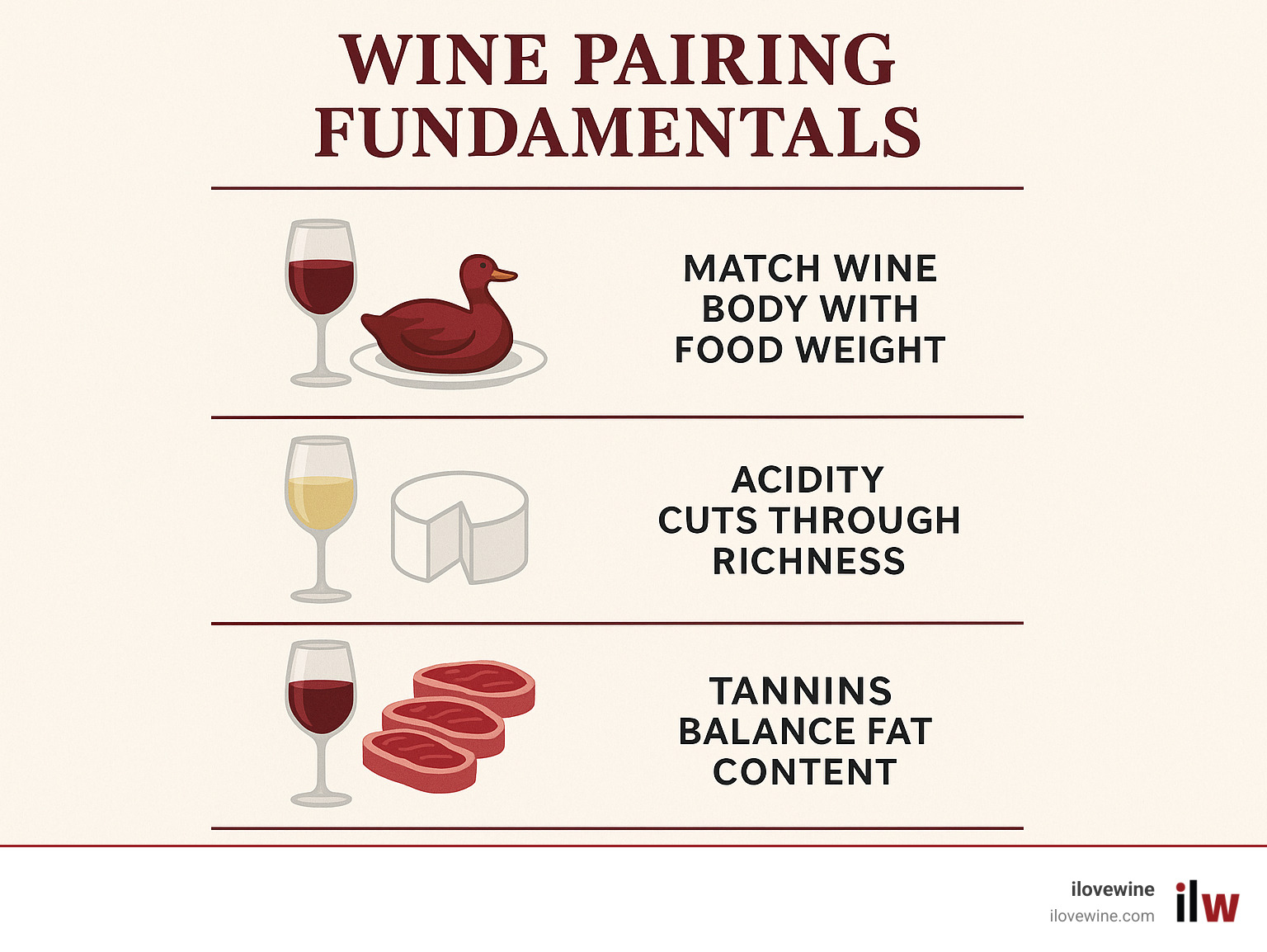
Strategy 1: Master the Classic Pairing Foundations
Think of wine pairing recipes as a conversation between your food and wine. Mastering the foundations isn’t just about impressing guests; it’s about opening up a new level of enjoyment from your cooking and wine collection.
The secret lies in understanding how wine characteristics interact with food. When weight and intensity match, neither overwhelms the other. It’s like finding the perfect dance partner.
Here’s how it works: acidity cuts richness. That’s why champagne and fried chicken work so well; the bright acidity cleanses your palate. Meanwhile, tannins balance fat by binding with proteins, which is why a bold Cabernet Sauvignon makes steak taste even more luxurious.
When dealing with heat, sweetness tames spice. An off-dry Riesling can cool down a hot curry, allowing you to taste the complex spices instead of just the burn.
You’ll find two main approaches: congruent pairings bring similar flavors together (earthy mushroom risotto with an earthy Pinot Noir), while contrasting pairings use opposites to create balance (crisp Sauvignon Blanc cutting through creamy goat cheese).
These principles work for any meal. Cheese and wine pairings are a perfect playground for practice. Check out The Perfect Cheese Pairings for Your Next Wine Tasting and 7 Wine and Cheese Pairings to Die For for inspiration.
Match Weight with Weight
The easiest rule for wine pairing recipes success is to match your wine and food like dance partners. Light-bodied wines pair well with delicate dishes, whereas full-bodied wines require rich dishes.
A delicate sole with lemon butter would be overwhelmed by a powerful Cabernet Sauvignon. But pair it with a crisp Sauvignon Blanc, and both the wine’s citrus notes and the fish’s sweetness shine.
Conversely, a light white wine would disappear against a thick, juicy steak. A bold Cabernet Sauvignon with its intense fruit and firm tannins is a perfect match that makes both taste better.
This simple principle ensures neither your dish nor your wine gets lost. To dive deeper, our guide How to Find Your Perfect Wine Match Based on Your Food Preferences can help you find your personal pairing style.
Consider the Sauce and Cooking Method
Many people go wrong with wine pairing recipes by focusing only on the main ingredient. The truth is, your sauce and cooking method often matter more.
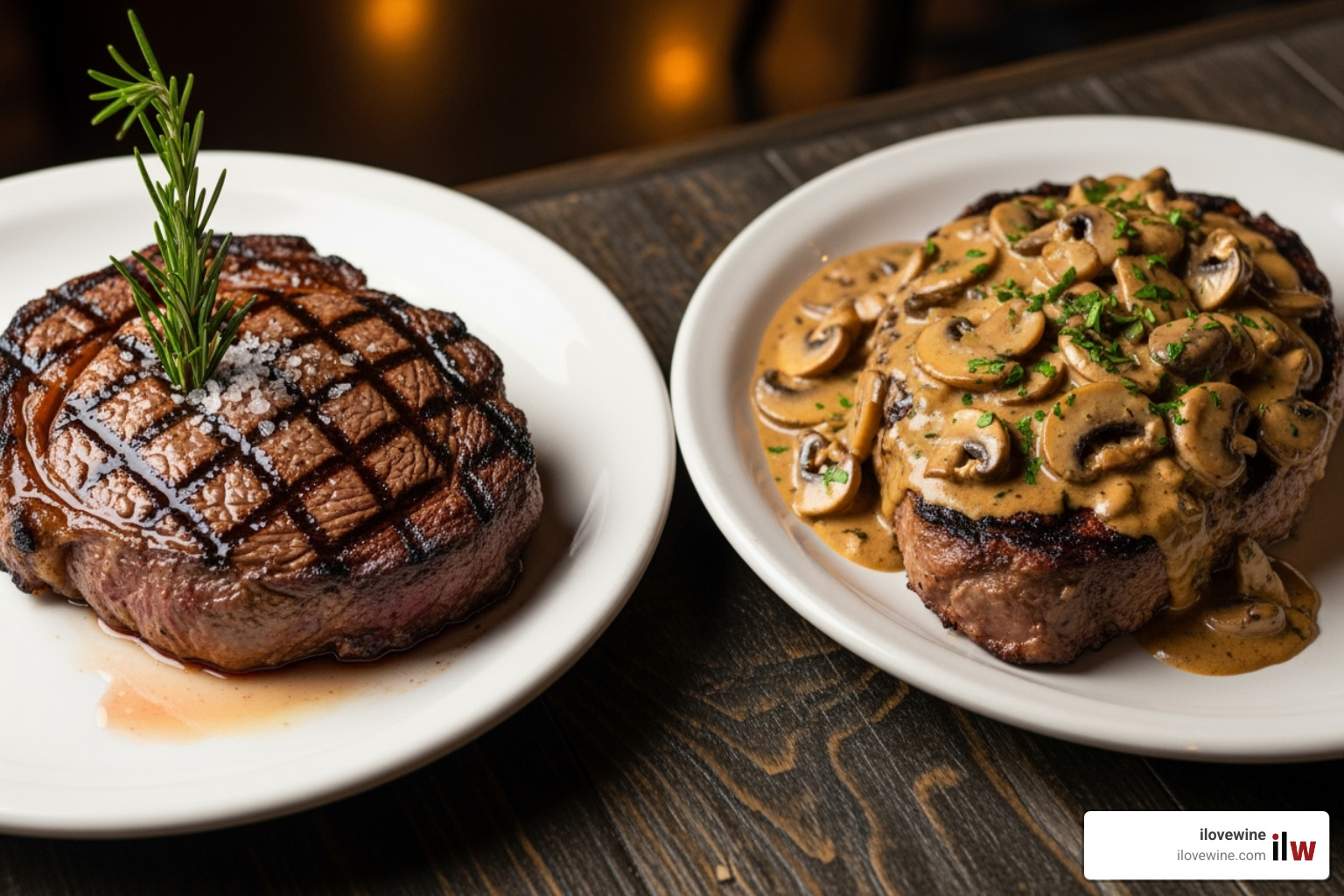
Take salmon: grilled salmon with a smoky char calls for a different wine than salmon in a rich cream sauce. Grilling adds notes that love tannic reds, while cream sauces need bright acidity to cut the richness.
Frying creates crispy, fatty goodness that begs for bubbles and acidity to cleanse the palate, which is why champagne and fried chicken is a beloved combo. Tomato-based sauces have their own acidity and play nicely with wines that have similar bright personalities.
Don’t overlook herbaceous sauces like pesto. These vibrant flavors pair well with wines that have herbal notes, such as Sauvignon Blanc. The sauce is often the dominant flavor, so let it guide your choice. For more tips, see How to Add Wine in Your Dinner Recipes and our comprehensive Pasta and Wine guide.
Strategy 2: Accept Regional and Seasonal Pairings
The old wisdom “What grows together, goes together” is a reliable strategy for wine pairing recipes. This principle has guided pairings for centuries, creating natural harmonies in the kitchen.
The concept of terroir—the unique environment of soil, climate, and tradition that shapes both food and wine—creates these natural harmonies. When you taste a crisp Sauvignon Blanc from California’s Central Coast with fresh local ingredients, you’re experiencing this connection. The same environment that creates the wine’s bright acidity also nurtures the local foods that pair so well with it.
Mediterranean food is a perfect example. The region’s olive oil, tomatoes, and fresh herbs naturally complement its wines. A bright Vermentino cuts through olive oil’s richness, while a medium-bodied red handles tomato dishes with ease. It’s culinary harmony born from shared geography.
California cuisine also illustrates this principle. The state’s diverse microclimates produce everything from cool-climate Pinot Noirs to bold Cabernets. These wines pair naturally with local ingredients—think Santa Barbara County Pinot Noir with Central Coast salmon, or Paso Robles Cabernet with local grass-fed beef.
Seasons add another layer. Summer pairings call for crisp white wines and refreshing rosés that complement grilled vegetables and fresh salads. A chilled Sauvignon Blanc with a summer tomato salad celebrates the season’s bright flavors.
For winter pairings, our focus shifts to comfort. Robust red wines offer the depth to complement braised meats, roasted root vegetables, and hearty stews. A full-bodied Cabernet Sauvignon with slow-cooked beef short ribs is a warm hug on a cold evening.
Regional and seasonal pairing is simple. You’re tapping into patterns that have evolved naturally, connecting your meal to the land and season. To explore further, check out The Benefits of Pairing Wine with Different Types of Cuisine and find the Best Red Wines for a Hearty Winter Meal.
Strategy 3: The Ultimate Guide to Wine Pairing Recipes
Ready to put theory into practice? These wine pairing recipes are designed to make both your food and wine shine brighter together. The best pairings come from understanding how specific wines interact with particular ingredients and cooking methods.

Following proven wine pairing recipes builds on culinary wisdom while developing your own palate. Each successful pairing teaches you about flavor interactions, making you more confident in creating your own combinations.
Red Wine Pairing Recipes for Hearty Dishes
For rich, satisfying flavors, red wines are the perfect companions, bringing structure and depth to robust dishes.
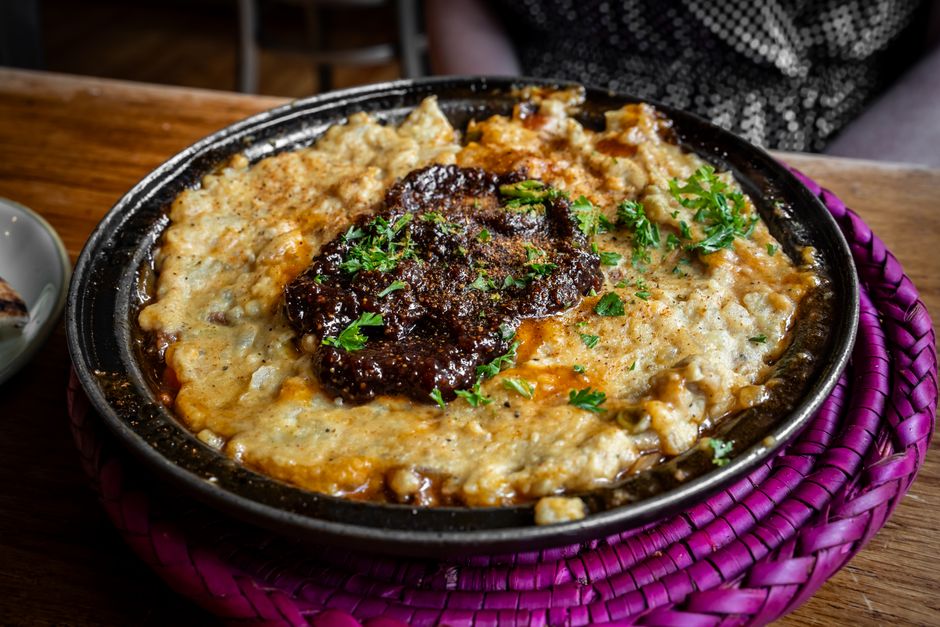
Lamb with Pinot Noir is a magical pairing. The wine’s acidity cuts through the lamb’s richness, while its earthy notes complement the meat’s flavor. Lamb Chops paired with Pinot Noir recipe showcases this perfectly. For more, dive into What Wine Goes with Lamb?.
Steak and Cabernet Sauvignon is the gold standard. The wine’s firm tannins bind with the steak’s proteins and fats, cleansing the palate and making each bite more succulent. This is chemistry in action, creating harmony on your palate.
Duck pairs beautifully with Pinot Noir or Gamay. These wines have enough acidity to cut through the rich, fatty skin while complementing its deep flavors. The fruit-forward nature of these wines contrasts duck’s earthiness. See What Wine Goes with Duck? for guidance, or try our Ribeye Steak with Beaujolais Sauce to see Gamay’s versatility.
These hearty wine pairing recipes prove that red wines are about creating balance, using tannins, acidity, and fruit to improve your dishes.
White and Rosé Wine Pairing Recipes for Lighter Fare
When the menu turns to fresh or delicate flavors, white and rosé wines are the stars, bringing elegance that lifts lighter dishes.
Salmon is incredibly versatile. Its oily texture handles both whites and light reds. A buttery Chardonnay complements salmon’s oils, while its acidity keeps the pairing fresh. For something different, try our Cedar Plank Salmon with Chorizo Butter—the smoky, spicy elements bridge to light reds. Our Wine Pairing Salmon guide explores these options.
Swordfish’s meaty texture pairs beautifully with rosé, especially with cream sauces. The Pan-seared Swordfish with White Wine Mushroom Sauce & Rosé shows how rosé’s acidity cuts through richness while its fruit complements the fish.
Chicken and seafood shine with crisp whites like Sauvignon Blanc or smooth Chardonnays. Grilled dishes call for bright, acidic wines, while creamy dishes need wines with more body. The key is the cooking method and sauce. For more on a versatile white, explore our Chardonnay Food Pairings guide.
These lighter wine pairing recipes show how white and rosé wines can harmonize with delicate flavors or provide a refreshing contrast to richer ones.
Strategy 4: Dare to Pair Unconventionally
This is where wine pairing recipes get exciting: breaking the rules. Some of the most memorable wine moments come from unexpected combinations that shouldn’t work but absolutely do.
Take sparkling wine with fried food. The effervescence and bright acidity cut through the rich, fatty goodness of fried chicken or French fries like a palate-cleansing miracle. Each sip makes you ready for another bite.
The magic continues with off-dry Riesling and spicy cuisine. While many reach for beer, a slightly sweet Riesling with good acidity is a cooling breeze for your taste buds. The wine’s sweetness tames the fire while its acidity improves complex spice flavors. Try it with Thai curry or Mexican street tacos.
Then there’s the red wine with fish controversy. While high-tannin reds can clash with delicate seafood, lighter reds like Pinot Noir or Gamay work beautifully with meatier fish like salmon or tuna, especially when grilled. The key is matching intensity and considering the preparation.
These surprising pairings remind us that the best findies come from being adventurous. Speaking of unexpected, you’ll love our 7 Mind Blowing Wine Cake Pairings—proof that wine’s versatility knows no bounds. Don’t be afraid to experiment; some of the world’s greatest culinary finds happened because someone tried something different.
Strategy 5: Adjust and Adapt Your Pairings
The real magic of wine pairing recipes is learning to adapt. Like a DJ reading the room, you sometimes need to fine-tune the combination. This flexibility is what separates good pairings from great ones.
Recipe modification is your first line of defense. If you have a high-acid wine like Sauvignon Blanc, adjust for acidity by adding a squeeze of lemon or a splash of vinegar to your dish. If your wine is low in acidity, adding a bright acidic punch to your food prevents it from tasting flat.
Modifying spice levels is another powerful tool. With a delicate Pinot Grigio, you might dial down the heat in a dish. With an off-dry Riesling, you can accept the spice, as the wine’s sweetness provides balance.
For tannic red wines, add fat or richness to your dish. A fattier cut of meat, a pat of butter, or aged cheese will soften the tannins and make the wine taste smoother.
Wine substitution is also key. Don’t have the exact bottle a recipe calls for? Look for wines with similar characteristics. If a recipe suggests a crisp Sauvignon Blanc, a Pinot Grigio, or an unoaked Chardonnay can work. Need a bold Cabernet Sauvignon? Merlot or Syrah are great alternatives for rich dishes.
The key is understanding tasting notes and trusting your personal preference. Taste the wine and food separately, then together. Pay attention to how they interact. Your palate is your most valuable guide, and every pairing is a learning opportunity. The more you adapt, the more confident you’ll become at creating perfect wine pairing recipes.
Strategy 6: Host the Perfect Pairing Dinner Party
Hosting a wine pairing recipes dinner party is about more than just food and wine; it’s about creating a shared experience that brings people together through findy.


Menu planning is your foundation. Start with a theme that excites you, like wines from California’s Central Coast or Mediterranean flavors. Build your menu around it, creating a journey for your guests’ palates.
Your wine selection should tell a story. Choose a variety of wines that complement your menu, perhaps starting with a crisp white, moving to a rosé, and progressing through lighter to fuller-bodied reds. Guests will love hearing the backstory of a small family vineyard or unique terroir.
The serving order matters. Go from lighter to heavier wines (sparkling, light whites, rosés, light reds, full-bodied reds, dessert wines) to protect everyone’s palate.
While fancy glassware isn’t essential, having enough clean glasses for each wine prevents delays and improves the experience.
Telling the story of the pairing transforms the meal. Explain your choices: “This creamy risotto needs good acidity, which is why I chose this unoaked Chardonnay.” Your enthusiasm will be contagious.
Guest engagement makes the evening memorable. Ask friends what they’re tasting. Do they agree with your choices? These conversations turn dinner into a collaborative exploration.
Most importantly, make it fun. Don’t let perfectionism overshadow enjoyment. If a pairing isn’t perfect, laugh about it. The best pairing parties are those where everyone feels comfortable experimenting and sharing. You’re not just hosting dinner; you’re sharing a passion.
Strategy 7: Frequently Asked Questions about Wine Pairing
After helping many explore wine pairing recipes at ilovewine.com, I’ve noticed the same questions come up. Here are the answers that have helped our community members become more confident.
Can you pair red wine with fish?
Yes, you absolutely can pair red wine with fish, and it can be delicious. The old rule about tannins creating metallic flavors is oversimplified.
The secret is choosing richer, oilier fish like salmon or tuna and pairing them with lighter-bodied, low-tannin reds like Pinot Noir or Gamay. These wines bring bright fruit flavors that complement, rather than compete with, the fish.
The cooking method and sauce are key. A grilled salmon with a savory glaze can handle a light red wine’s complexity far better than a delicate sole in lemon butter.
What is the most versatile wine for food pairing?
This question sparks lively debate, but from my experience, dry Rosé is the ultimate food-friendly wine. It bridges the gap between white and red wines, with the acidity of a white and the body of a light red. It works with everything from grilled shrimp to spicy tacos.
For white wine lovers, high-acid wines like Sauvignon Blanc are incredibly versatile. That zesty character complements a huge range of dishes.
Among reds, a light-bodied Pinot Noir is very food-friendly. Its bright acidity, gentle fruit, and low tannins make it adaptable to salmon, chicken, mushroom risotto, and even lighter red meats. It’s no wonder Pinot Noir appears in so many of our favorite wine pairing recipes.
How do I start learning about wine pairing?
The best advice is simple: start with what you love and be curious. Don’t let intimidating jargon hold you back.
Pick a wine you enjoy and a food you love. Taste them separately, then together. Pay attention to how they interact. Does the wine taste fruitier? Does the dish seem richer? These observations are your personal tasting notes.
Use guides like our *wine pairing recipes as a roadmap, not as rigid rules*. They explain why certain combinations work and give you the confidence to explore. Every pairing principle becomes clearer with hands-on experience.
Don’t be afraid to experiment. Some of the best findies come from unexpected combinations. Trust your palate and remember that your personal preference is what matters most.
Conclusion
Your journey into wine pairing recipes is just beginning. Think of it as an ongoing exploration where every meal is an opportunity to find how flavors dance together on your palate.
You’ve learned the classic foundations—matching weight, using acidity to cut richness, and balancing fat with tannins. You’ve explored regional wisdom and the thrill of unconventional pairings that break the rules.
But the most important thing to remember is that experimentation is key. Trust your palate when it tells you something works, even if it goes against conventional wisdom. The most delightful findies happen when you venture off the beaten path.
Your personal preferences matter more than any expert’s opinion. The goal isn’t to impress others but to create memorable moments around your table, whether for a quiet dinner or a festive gathering.
At ilovewine.com, we’re passionate about connecting wine enthusiasts like you with experts and fellow explorers. Our community thrives on sharing findies and celebrating the journey.
Keep experimenting, keep tasting, and enjoy the process. Every glass and every bite is a chance to learn. For a complete reference to guide your ongoing trips, check out our comprehensive Food and Wine Pairing Guide.
Cheers to many more delicious findies ahead! Your palate is your best teacher, and wine pairing recipes is waiting for you to explore it.
What's Your Reaction?
