San Luis Obispo Wineries: A Connoisseur’s Guide


Why SLO Wineries Are California’s Best-Kept Secret
SLO wineries offer enthusiasts over 250 tasting rooms across three distinct American Viticulture Areas, producing world-class wines just minutes from the Pacific Ocean. Whether you seek bold Paso Robles Cabernets or crisp Edna Valley Chardonnays, San Luis Obispo County delivers exceptional wines in a relaxed atmosphere that sets it apart from the busier California wine regions.
Quick Facts About SLO Wineries:
- 280+ wineries across San Luis Obispo County
- 40+ grape varieties cultivated in the region
- 5.1 miles average distance from coast to vineyard
- 3 primary AVAs: Paso Robles, Edna Valley, and Arroyo Grande Valley
- 50+ certified sustainable wineries
- 15-20 minute drives between most tasting rooms
San Luis Obispo wine country sits along California’s Central Coast, halfway between Los Angeles and San Francisco. The region’s unique geography creates distinct microclimates—warm inland valleys produce powerful reds like Zinfandel and Syrah, while cool coastal areas craft crisp Pinot Noir and Chardonnay.
Unlike the crowded tasting rooms of Napa, SLO maintains a laid-back, family-friendly vibe. Many wineries are still owned by the families who planted the first vines, such as Chamisal Vineyards, which pioneered Edna Valley in 1973, and Rotta Winery, family-operated since 1908.
The coastal influence shapes everything here. Morning fog rolls in from the Pacific, keeping temperatures moderate and allowing grapes to develop complex flavors. As one wine expert put it: “If I were to boil the profile of SLO Coast down to one word, it would be ENERGY.”
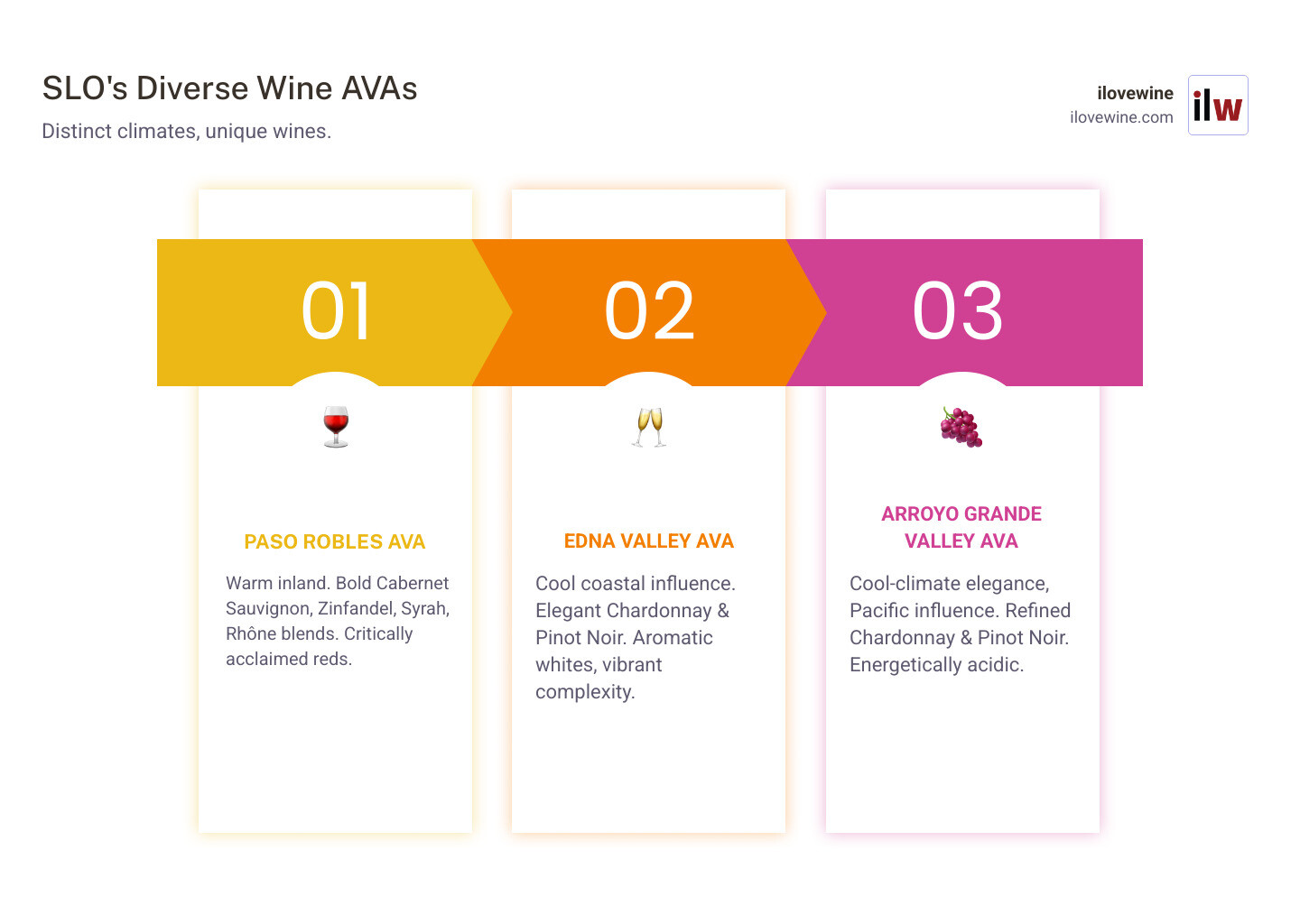
Exploring the Diverse AVAs of SLO Wine Country
San Luis Obispo wine country’s extraordinary character comes from its remarkable diversity. Within SLO CAL, valleys open directly to the Pacific, where morning fog cools the vines, while just miles away, sun-drenched inland hillsides ripen other grapes under long, hot days. This geographic variety creates distinct growing conditions that translate to an incredible range of wine styles.
The region contains several distinct American Viticulture Areas (AVAs), each shaped by its unique climate, soil, and coastal proximity. These designations represent real differences you can taste in the glass. Most SLO vineyards sit in valleys channeling cool ocean air inland, creating a signature marine influence. With an average distance of just 5.1 miles from the Pacific, the ocean’s influence is paramount to the grapes’ development.
Paso Robles: The Land of Bold Reds
North of San Luis Obispo, Paso Robles is a warm inland region recognized for powerful red wines. Long, sun-soaked days followed by cool evenings—often a 40-degree temperature swing—allow grapes to develop intense flavors while preserving acidity. Diverse soils, frequently rich in limestone, add mineral structure and complexity.
Cabernet Sauvignon thrives here with rich structure and dark fruit flavors, while Zinfandel—a true Paso signature—delivers its legendary spicy, fruit-forward character. Syrah produces wines with powerful dark fruit, black pepper, and savory notes that rival those from France’s Rhône Valley. In fact, Rhône-style blends featuring Grenache, Mourvèdre, and Syrah have become a Paso hallmark, showcasing the region’s talent for complex, aromatic wines.
Beyond these stars, you’ll find Merlot with softer tannins and plum notes, deeply colored Petite Sirah, herbaceous Cabernet Franc, and spicy Petit Verdot. The region even produces excellent Italian varietals, adding yet another dimension to its portfolio.
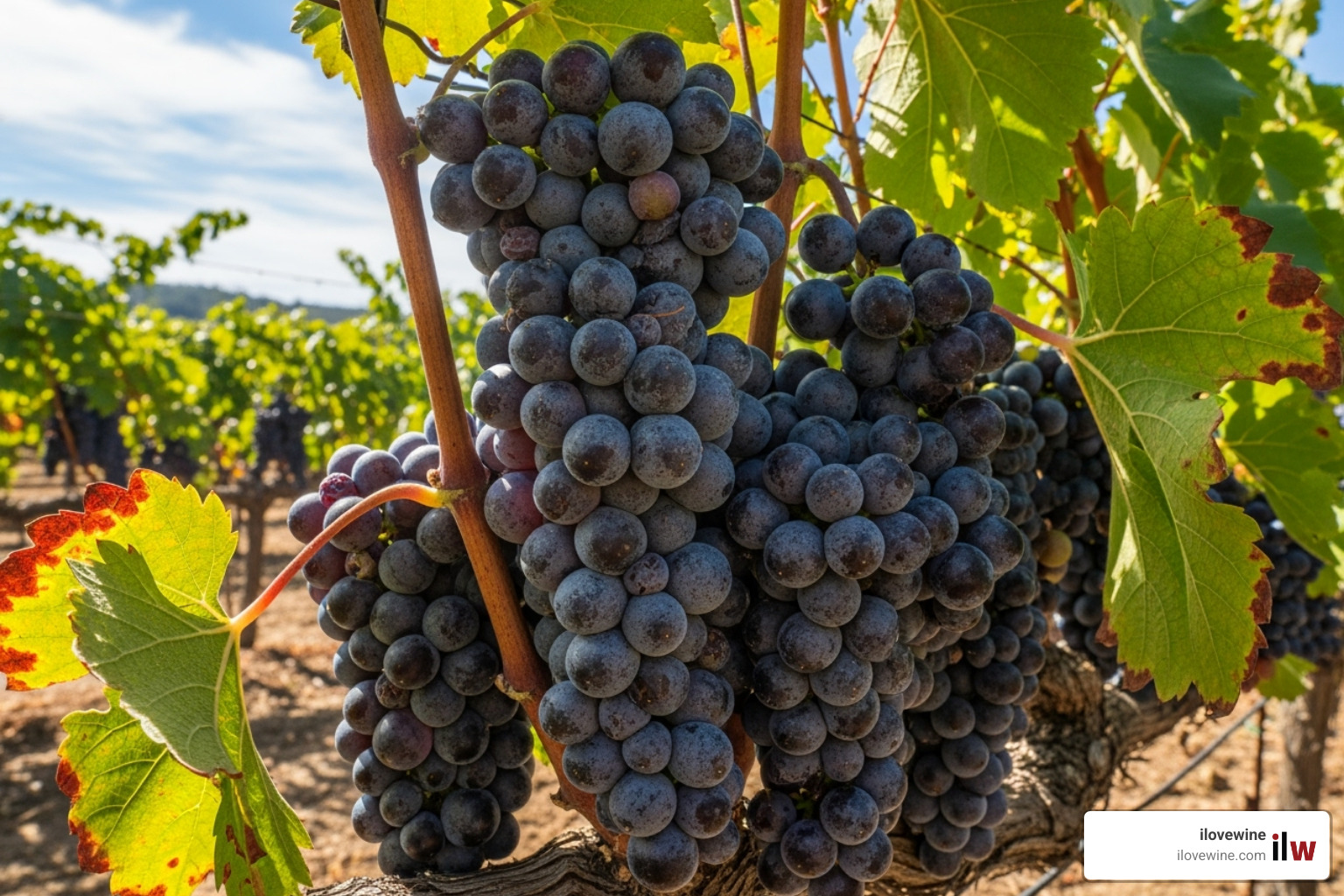
Edna Valley & Arroyo Grande Valley: Cool-Climate Elegance
South of Paso Robles, the Edna Valley and Arroyo Grande Valley sit close to the Pacific (about 5.1 miles on average), where morning fog and cooling winds extend hang time. The result is high-acid, energetic wines with clear coastal signatures.
Chardonnay from these valleys shines with crisp minerality and brightness, while Pinot Noir develops delicate aromatics, red fruit character, and earthy undertones reflecting the cool maritime conditions. Even Syrah tastes different here—leaner and peppery, with savory notes that contrast beautifully with the bold Paso versions.
Aromatic whites flourish in this environment. Viognier offers floral and stone fruit notes, while Pinot Gris, Riesling, and Gewurztraminer produce refreshing, nuanced wines that capture the essence of fog, wind, earth, and sea.
Many wineries here are family-owned operations focused on small-production wines that truly express their unique terroir. These are crafted with care to showcase what makes this coastal region so special.
Notable SLO Wineries and What Makes Them Special
With over 280 wineries cultivating more than 40 grape varieties, San Luis Obispo County offers endless exploration. Here are some standouts that capture the region’s quality and character.
Chamisal Vineyards holds a special place in SLO wine history, having planted the first commercial vineyard in Edna Valley back in 1973. Today, they’re celebrated for sustainable and regenerative farming practices that produce authentic expressions of the Central Coast. Their acclaimed Chardonnay, Pinot Noir, and Rhône varieties reflect a philosophy of “coaxing our wines from the earth.” Located just 10 minutes from downtown San Luis Obispo, the vineyard offers a tranquil tasting experience.
Wolff Vineyards has farmed 125 acres in the heart of Edna Valley since 1976, opening their winery in 1999. Sitting just 4.5 miles from the Pacific, they craft European-influenced wines with distinct California Central Coast character. They’re certified sustainable and offer a gourmet deli in their tasting room, perfect for pairing with outdoor wine tastings.
For something truly historic, Saucelito Canyon Vineyard specializes in Zinfandel from their estate vineyard in Arroyo Grande Valley, offering a glimpse into the region’s rich winemaking heritage.
Looking for a whimsical experience? Malene Wines operates a vintage Airstream tasting room nestled among the vineyards, specializing in rosé. It’s relaxed, memorable, and perfect for photos.
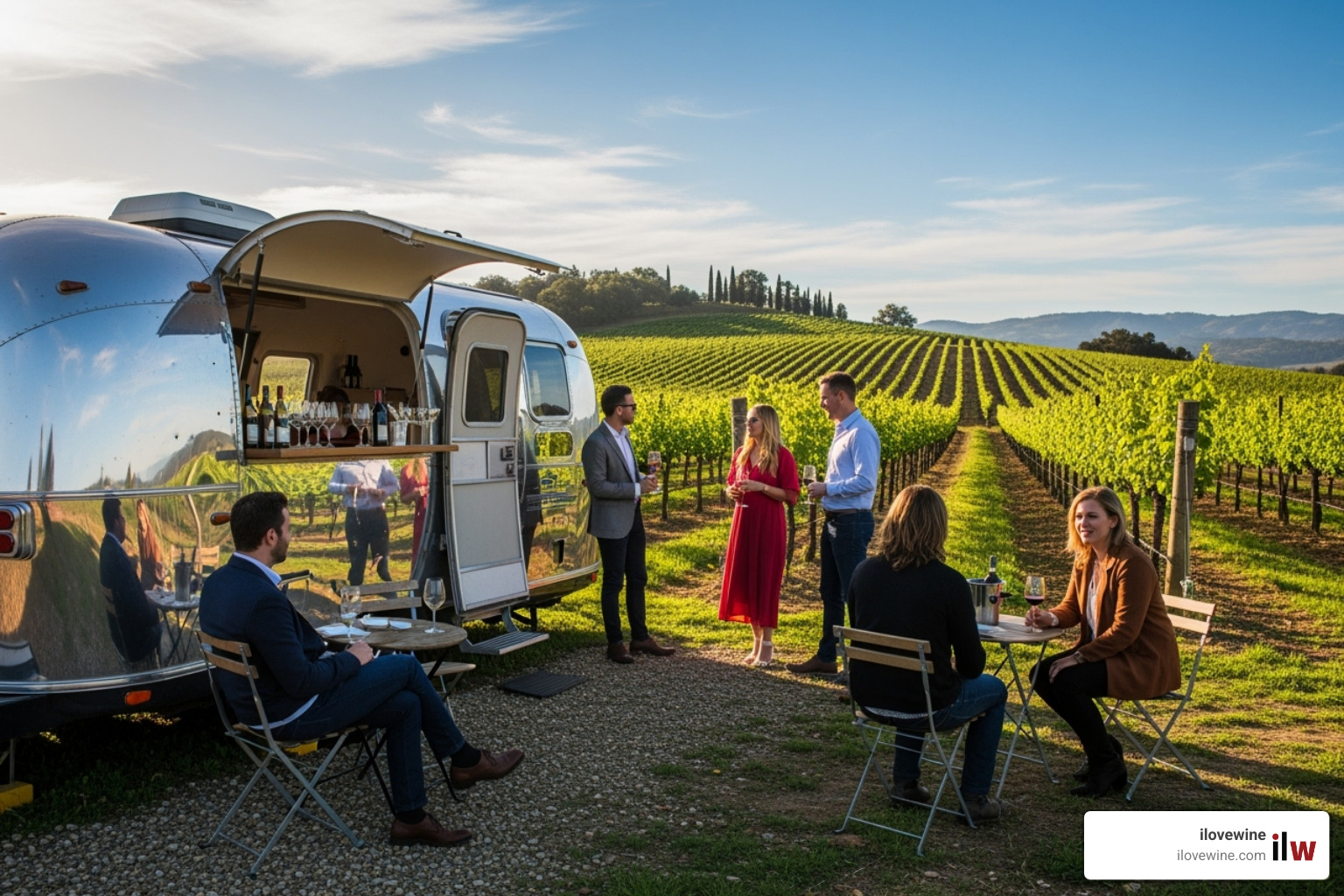
Rotta Winery, founded in 1908, is the only remaining original family-owned winery in San Luis Obispo County. They produce premium red, white, and dessert wines, offering barrel tours, tastings, a bocce court, and picnic areas—a true piece of living history.
Talley Vineyards pioneered Pinot Noir production in Coastal San Luis Obispo County when they established in 1986. Their Estate Pinot Noir, bottled since that inaugural vintage, helped showcase the region’s potential as a world-class winegrowing area. They focus on estate-grown Chardonnay and Pinot Noir.
Other notable SLO wineries include Baileyana-Tangent-True Myth with its charming historic schoolhouse tasting room, Edna Valley Vineyard known for aromatically complex Pinot Noir, Tolosa Winery recognized for sustainable practices, and Sextant Wines offering insightful estate tours.
Planning Your Perfect SLO Wineries Tour
Planning your visit to the 280+ wineries scattered across San Luis Obispo County is half the fun. The region’s 40+ grape varieties create a diverse playground for wine lovers of all levels. From seasoned oenophiles to beginners, SLO offers an accessible, welcoming experience, distinct from the more formal atmosphere of other wine regions.
The beauty of SLO wineries is their variety—you can explore everything from intimate family cellars to expansive estates with full amenities, all within a short drive of each other. Most tasting rooms sit just 15-20 minutes apart, making it easy to visit several in a single day without spending hours on the road.
Navigating the Wine Trails
Rather than wandering aimlessly, take advantage of the curated wine trails that showcase the best of each area. The SLO Coast Wine region alone features 32 wineries spread across six distinct trails, each offering its own personality and wine focus.
The Avila Beach Wine Trail combines wine tasting with coastal activities, allowing you to sip Chardonnay with ocean views. The Edna Valley Backroads route is perfect for a leisurely adventure through rolling vineyards, where cool-climate Pinot Noir and Chardonnay reign supreme. For those staying in town, the SLO Urban Wine trail lets you enjoy exceptional wines without leaving the city limits.
Other trails include Core of the Coast, Points North, and Southern Charm. These trails highlight varietals that thrive in the coastal climate: Albariño, Pinot Noir, Chardonnay, sparkling wines, Syrah, Grenache, and various aromatic whites.


If sustainability matters to you, explore the Sustainable Wine Trail featuring over 50 certified sustainable wineries. These producers focus on water and energy conservation, soil health, and ecosystem preservation. You can Download the Sustainable Wine Trail Map to plan your eco-conscious wine adventure.
If you prefer not to drive, several local tour operators offer private and specialty wine tours with transportation included. This provides a carefree way to visit multiple wineries, allowing you to focus on the wine while they handle the logistics.
Tasting Room Tips for SLO Wineries
Every tasting room has its own vibe, from cozy family operations to polished estates with restaurant service. To make the most of your visits, keep these tips in mind.
Reservations are increasingly important, especially for popular wineries or if you’re bringing a group of five or more. Wineries like Chamisal Vineyards and Wolff Vineyards recommend booking ahead. A quick check of a winery’s website before you go can prevent disappointment.
Beyond the wine, many SLO wineries have transformed the tasting into a special experience. Wolff Vineyards features a gourmet deli with outdoor seating perfect for picnics. Justin Vineyards & Winery offers full restaurant service. Baileyana-Tangent-True Myth has bocce ball courts, while Malene Wines’ vintage Airstream tasting room is a unique highlight. At Kelsey See Canyon Vineyards, peacocks wander the property.
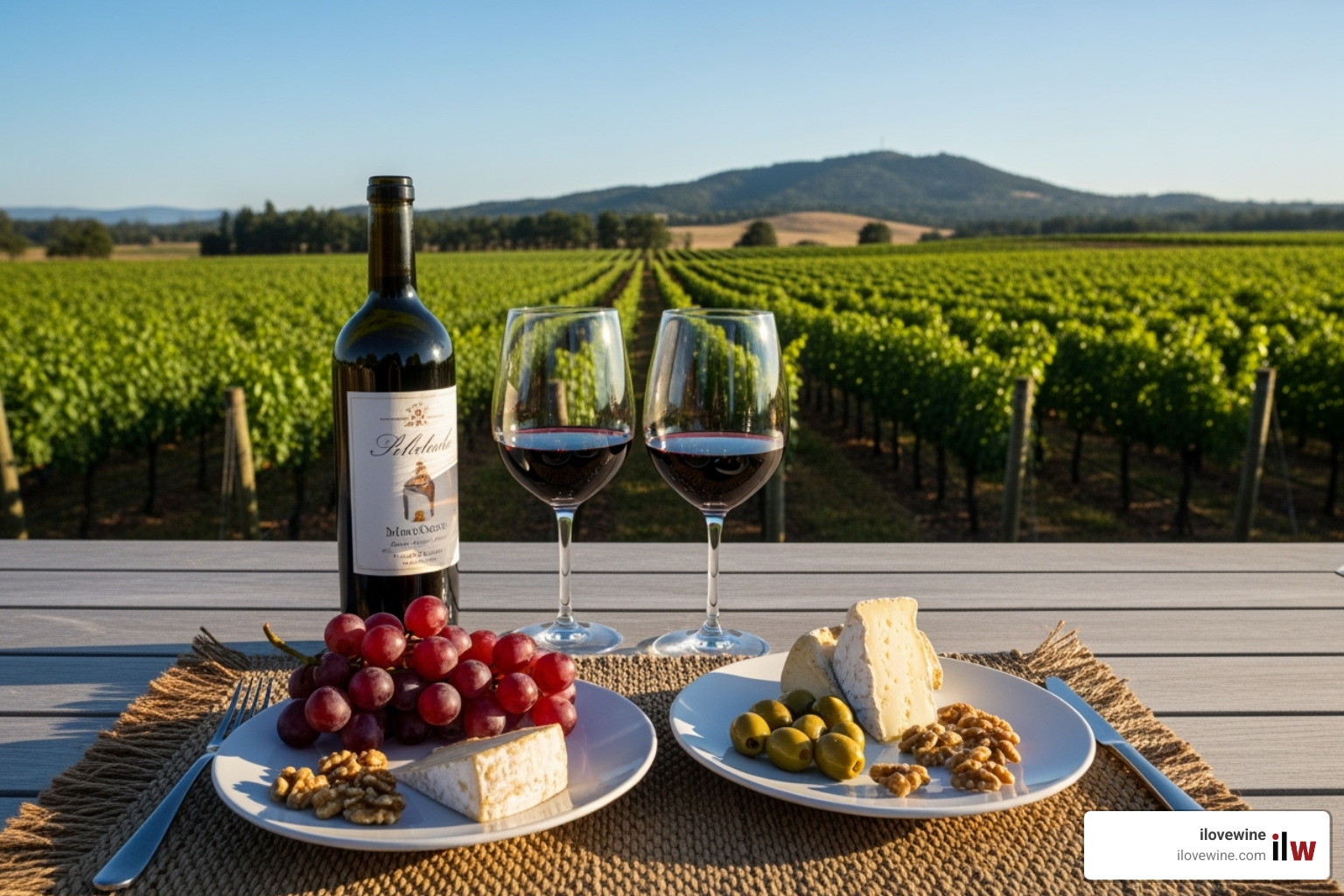
Food pairings can significantly lift the tasting experience. Look for wineries offering cheese and charcuterie platters designed to complement their wines. Some offer vineyard tours that take you behind the scenes to the vines, caves, and barrel rooms.
Many tasting rooms provide beautiful outdoor spaces where you can linger over a glass, soaking in the California sunshine and vineyard views.
If environmental stewardship resonates with you, seek out wineries displaying SIP Certification. Over 50 SLO CAL wineries meet rigorous standards for environmental and social responsibility. You can Learn about SIP Certified wines to understand what these certifications mean and why they matter.
Pack smart for your wine adventure: comfortable walking shoes, sunscreen, a hat, and a light jacket for cool coastal breezes. Bring a reusable water bottle to stay hydrated and a tote bag for wine purchases.
Conclusion: Your SLO Wine Adventure Awaits
San Luis Obispo wine country blends cool-coast precision with warm-inland power in a compact, easy-to-navigate region. To plan efficiently and taste well:
- Time your visit: Harvest (Aug–Oct) brings crush events and new releases; spring (Mar–May) offers wildflowers and crisp new vintages; winter weekdays mean lighter crowds and better lodging value.
- Cluster stops: Group tastings by AVA (Edna Valley, Arroyo Grande Valley, Paso Robles). Expect 15–20 minutes between most coastal tasting rooms and roughly 30–40 minutes between the coast and Paso Robles.
- Reserve smartly: Weekends and groups of five or more often require advance bookings; confirm tasting fees and flight formats when you schedule.
- Taste with purpose: Seek out SIP Certified producers to support rigorous environmental and social standards.
Ready to explore more culinary adventures? Explore more foodie travel destinations for inspiration beyond wine country. And if you want to find everything California has to offer wine lovers, check out our California Wine Country: The Ultimate Guide for a complete overview.
Your SLO wine adventure is waiting—it’s sure to be an experience you’ll remember long after the last sip.
What's Your Reaction?
