Buyer’s Guide: Best European Summer Holidays for 2025


European summer holidays 2025: Best Trips
Why European Summer Holidays Continue to Captivate Travelers
European summer holidays offer an unparalleled blend of stunning coastlines, rich history, world-class cuisine, and unforgettable wine experiences. Whether you’re dreaming of sipping rosé in Provence, exploring ancient Greek islands, or finding hidden gems along Croatia’s pristine coast, Europe delivers magic at every turn.
As you plan your European summer holidays, consider the experiences that truly resonate with you. Whether it’s the adventures you seek or the cultures you wish to immerse yourself in, European summer holidays have something for everyone.
Top European Summer Holiday Experiences:
- Beach & Coast: Mediterranean waters, dramatic cliffs, pristine islands
- Culture & History: Ancient ruins, medieval towns, world-class museums
- Wine & Food: Vineyard tours, local markets, regional specialties
- Outdoor Trips: Alpine hiking, coastal cycling, island hopping
- Festivals & Events: Edinburgh Fringe, La Tomatina, music festivals
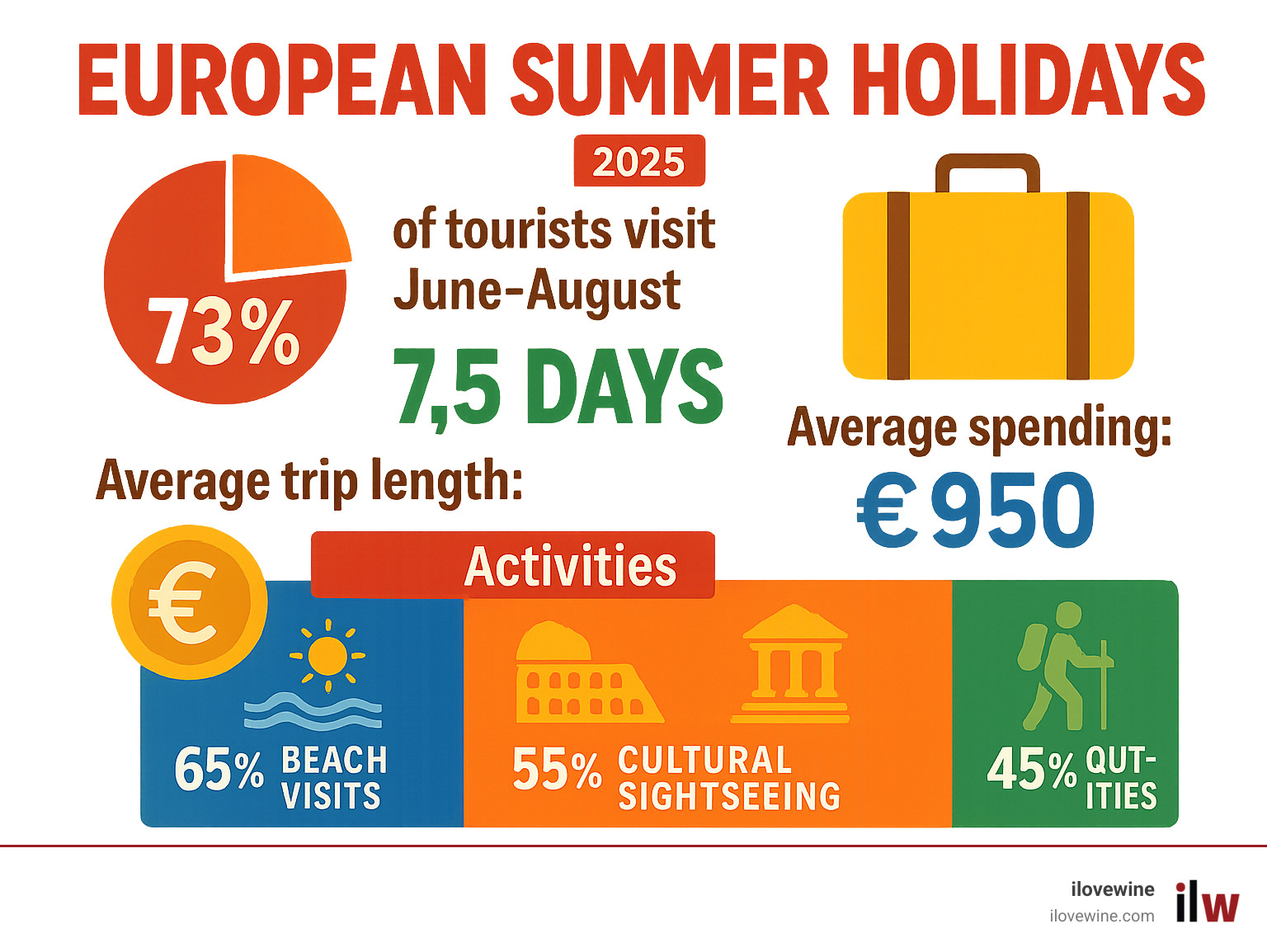
The numbers tell the story – 73% of all EU tourist arrivals happen during summer months, with travelers spending an average of €950 per person. Popular destinations like Spain, Italy, and France consistently top the charts, but savvy travelers are finding quieter alternatives in Albania, Slovenia, and Portugal’s Minho region.
The charm of European summer holidays also extends to visiting picturesque villages, where you can experience local traditions and festivals that celebrate the essence of summer.
Summer in Europe means long days, warm nights, and endless possibilities. From the glamorous French Riviera to Scotland’s dramatic highlands, each destination offers its own character and charm. The key is knowing when to go, where to stay, and how to balance must-see sights with authentic local experiences.
Don’t forget to capture the beautiful moments during your European summer holidays, as these photographs will remind you of the vibrant experiences you had on your journey.
As Jonas Muthoni from iLoveWine, I’ve spent over a decade exploring Europe’s wine regions and hidden corners, from Tuscan vineyards to Croatian coastal towns. My passion for European summer holidays has taken me through countless trips that blend exceptional wine, local culture, and unforgettable travel moments.
Exploring the diverse landscapes of Europe is a highlight of European summer holidays, with each destination offering unique sights and sounds that will leave you enchanted.
Smart Planning: How to Beat the Crowds and Find the Best Deals
Here’s the secret to amazing European summer holidays: timing is everything. With a little strategic thinking, you can transform what might be an overcrowded, overpriced experience into something truly magical. The average traveler spends €950 on their European summer escape, but smart planning can stretch that budget much further while giving you a better experience.
For those on a budget, European summer holidays can still be enjoyable with some careful planning and off-peak travel choices that maximize your experience without overspending.
Navigating Peak Season & School Holidays
Let’s be honest – July and August are when Europe feels like one giant tourist magnet. These two months see 73% of all tourist arrivals, which means packed beaches, long lines, and prices that can make your wallet weep. But understanding the rhythm of European travel can help you work around the chaos.
School holidays are the real game-changer here. British families flood the continent in late July, while German schools often break earlier in the month. French students get the longest break, running from early July through late August. This creates waves of crowds that hit different destinations at different times.
The smart move? Research the specific school holiday patterns for your target destinations. If you’re dreaming of Italian coastal towns, check when Italian families traditionally take their summer breaks. Those few weeks before or after the main rush can feel like a completely different experience – same stunning views, half the crowds.
Public holidays add another layer to consider. While celebrating Bastille Day in France or joining a local festival creates incredible memories, these events also draw massive crowds. Plan accordingly, and you’ll enjoy the festivities without the frustration.
The Magic of Shoulder Seasons: May, June & September
Here’s where the real magic happens. May, early June, and September offer everything you love about European summer without the overwhelming crowds and sky-high prices. These shoulder months are like Europe’s best-kept secret.
The weather during these months is absolutely perfect – warm enough for swimming and outdoor trips, but not so hot that sightseeing becomes exhausting. You’ll actually want to explore those cobblestone streets instead of hiding in air-conditioned cafes.
Fewer crowds mean you can actually see the Mona Lisa without being elbowed by fifty other tourists. Restaurant reservations become possible again. Local shopkeepers have time to chat and share recommendations. It’s the difference between being a tourist and being a traveler.
Your money goes further too. Flight prices drop significantly, and hotels offer better rates to fill rooms. That €950 average spending can suddenly cover a longer trip or upgrade you to better accommodations.
September deserves special mention for wine lovers. The harvest season brings incredible energy to wine regions across Europe, from Tuscany to Provence. The autumn colors create stunning backdrops, and the weather is perfect for wine tasting and leisurely exploration of vineyard towns.
Booking & Budgeting Tips for Your European Summer Holidays
Researching local deals can significantly enhance your European summer holidays experience, allowing you to enjoy activities and attractions that might otherwise be beyond your budget.
Smart travelers know that booking 3+ months in advance isn’t just a suggestion – it’s essential for the best deals and availability. About 60% of travelers already follow this rule, which means waiting until the last minute leaves you competing for whatever’s left at premium prices.
Set price alerts on flight comparison sites as soon as you know your travel dates. Prices can fluctuate wildly, and catching a good deal early can save hundreds of euros that you can spend on wine tastings instead.
Consider stepping away from traditional hotels. Apartments give you kitchen access for picnic lunches and storing those bottles of wine you’ll inevitably buy. Agriturismos in rural areas offer authentic experiences and often include incredible home-cooked meals. These alternatives frequently cost less while providing more space and character.
The real budget magic happens when you mix popular attractions with free experiences. Yes, visit that famous museum, but also spend an afternoon wandering local markets, people-watching in piazzas, or hiking coastal paths. For wine enthusiasts, our Travelers Guide to Wine Tourism: Must-Visit Vineyards shows how to combine cultural experiences with incredible value.
The best European summer holidays aren’t necessarily the most expensive ones. They’re the ones where you have time to savor each moment, connect with locals, and create stories you’ll tell for years to come.
Top Destinations for Your 2025 European Summer Holidays
With so many options, your European summer holidays can be tailored to fit your interests, whether that includes historic sites, natural beauty, or culinary delights.
Choosing where to spend your European summer holidays can feel overwhelming with so many incredible options. From sun-soaked Mediterranean coastlines to dramatic Alpine peaks, Europe offers something magical for every type of traveler. Whether you’re dreaming of sipping wine in a Tuscan vineyard, exploring ancient Greek islands, or hiking through Scotland’s misty highlands, the perfect destination awaits.
Classic Sun, Sea & Wine
For the ultimate relaxation, plan your European summer holidays around wellness retreats that offer rejuvenating experiences amidst stunning surroundings.
These time-tested favorites continue to capture hearts year after year, offering that quintessential European summer experience where stunning coastlines meet world-class wine and cuisine.
Italy remains the crown jewel of European summer destinations, and it’s easy to see why. The Amalfi Coast delivers those postcard-perfect moments with its dramatic cliffside villages and impossibly blue waters. Yes, it’s popular (sometimes overwhelmingly so), but there’s a reason millions fall in love with places like Positano and Ravello each year.
For something equally stunning but with more breathing room, Sardinia offers crystal-clear waters that rival the Caribbean. The island’s beaches like La Pelosa are absolutely pristine, and you’ll find fascinating ancient Nuraghi structures scattered across the landscape. Rent a car and explore at your own pace – it’s worth it.
Tuscany captures hearts in a completely different way. Those rolling hills dotted with cypress trees aren’t just Instagram-worthy; they’re home to some of the world’s finest wines and most charming hilltop towns. A Vineyard Stay Tuscany experience lets you wake up among the vines and truly understand why this region has inspired artists and writers for centuries.
Spain brings its own irresistible energy to your summer plans. Mallorca has shed its party island reputation to become a sophisticated destination with stunning beaches and vibrant local culture. Meanwhile, Andalusia offers something completely different – the breathtaking Moorish architecture of Granada and Córdoba, paired with authentic tapas culture and flamenco rhythms. Don’t miss the village of Frigiliana, often called Andalusia’s prettiest village, where whitewashed houses cascade down hillsides like a waterfall.
The wines of Spain deserve special attention, particularly those from The Wines of Spain: Ribera del Duero, which pair beautifully with the country’s incredible cuisine.
France continues to set the standard for European elegance. The French Riviera delivers that timeless glamour in cities like Cannes and Nice, where you can people-watch from sidewalk cafés and soak up centuries of sophistication. Provence offers a more relaxed pace, where lavender fields stretch to the horizon and every village seems to have its own weekly market bursting with local produce and, of course, exceptional rosé wine.
For wine lovers planning their French trip, our guide to The Best Wine Regions in France is essential reading.
Off-the-Beaten-Path Gems
Sometimes the most memorable European summer holidays happen in places that haven’t made it onto everyone’s Instagram feed yet. These hidden gems offer authentic experiences without the overwhelming crowds.
Croatia has become incredibly popular, but smart travelers know where to find the quieter corners. The Istrian Peninsula in the north feels like Italy’s Tuscany but with Croatian charm and prices. Here you can hunt for truffles, explore Roman ruins in Pula, and enjoy some of Europe’s most exciting culinary scenes. The Elaphiti Islands near Dubrovnik offer something even more special – car-free havens where time seems to slow down and pristine beaches remain blissfully uncrowded.
Finding hidden gems is part of the thrill during your European summer holidays, and these can often lead to the most memorable experiences of your trip.
Portugal is having its moment, but much of the country still feels wonderfully unfinded. The Minho region in the north produces the refreshing Vinho Verde wines and offers an authentic glimpse into traditional Portuguese life. Cities like Braga and Guimarães feel genuinely local rather than touristy. The Algarve region provides dramatic coastal cliffs and golden beaches, with Lagos standing out for its relaxed local atmosphere and stunning natural beauty.
The Albanian Riviera represents Europe’s next big thing – pristine Mediterranean beaches at a fraction of the cost you’d pay elsewhere. Towns like Dhermi and Himara offer crystal-clear waters and dramatic mountain backdrops, while ancient UNESCO World Heritage sites add cultural depth to your beach time.
Many travelers recommend that their best experiences during European summer holidays often come from spontaneous adventures and local interactions.
Unforgettable Culture & Trip Hotspots
For travelers seeking more than just sun and sand, these destinations blend rich cultural experiences with outdoor activities and vibrant local scenes.
The best way to embrace the culture during your European summer holidays is to immerse yourself in local events and festivals that happen throughout the region.
Scotland offers a completely different but equally rewarding summer experience. Edinburgh transforms in August during The Fringe Festival, when the city becomes the world’s largest arts festival with over two million tickets sold. The energy is infectious, with street performers on every corner and shows running until dawn. Beyond the city, The Highlands provide some of Europe’s most dramatic landscapes, perfect for hiking among ancient castles and pristine lochs.
Greece extends far beyond the famous islands everyone talks about. Naxos offers authentic island life with beautiful beaches like Agios Prokopios, charming Venetian architecture, and traditional villages where locals still outnumber tourists. Kefalonia in the Ionian Sea delivers even more stunning scenery, including the famous Myrtos Beach and the otherworldly Melissani Caves. Both islands welcome families with open arms and serve some of the freshest seafood you’ll find anywhere.
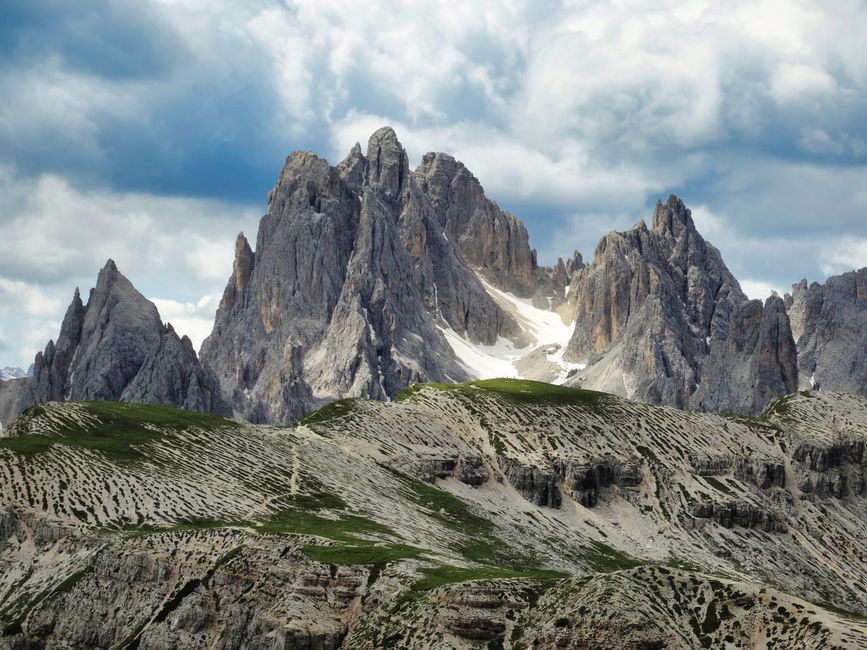
The Dolomites in northern Italy provide the perfect escape from summer heat while delivering breathtaking Alpine scenery. This UNESCO World Heritage region offers world-class hiking and cycling, charming mountain villages, and pristine lakes like Lago di Braies. The dramatic peaks create a landscape so stunning it almost doesn’t seem real.
Each of these destinations offers its own magic, from the wine-soaked hills of Tuscany to the pristine beaches of Albania. The key is choosing the one that matches your travel style and dreams for the perfect European summer escape.
Getting Around Europe in the Summer
Your itinerary can greatly benefit from flexible travel plans, especially during European summer holidays, as this allows for spontaneous detours and discoveries.
One of the most exciting aspects of European summer holidays is how effortlessly you can move between countries and cultures. Whether you’re sipping wine in Tuscany one day and exploring Croatian islands the next, Europe’s excellent transportation network makes multi-destination trips both practical and enjoyable.
The beauty of European travel lies in its variety of options. You can wake up in a Parisian café, take a high-speed train through the countryside, and be dining on fresh pasta in Rome by evening. Or perhaps ferry-hop through the Greek islands, watching the sunset paint the Aegean Sea golden as you sail toward your next destination.
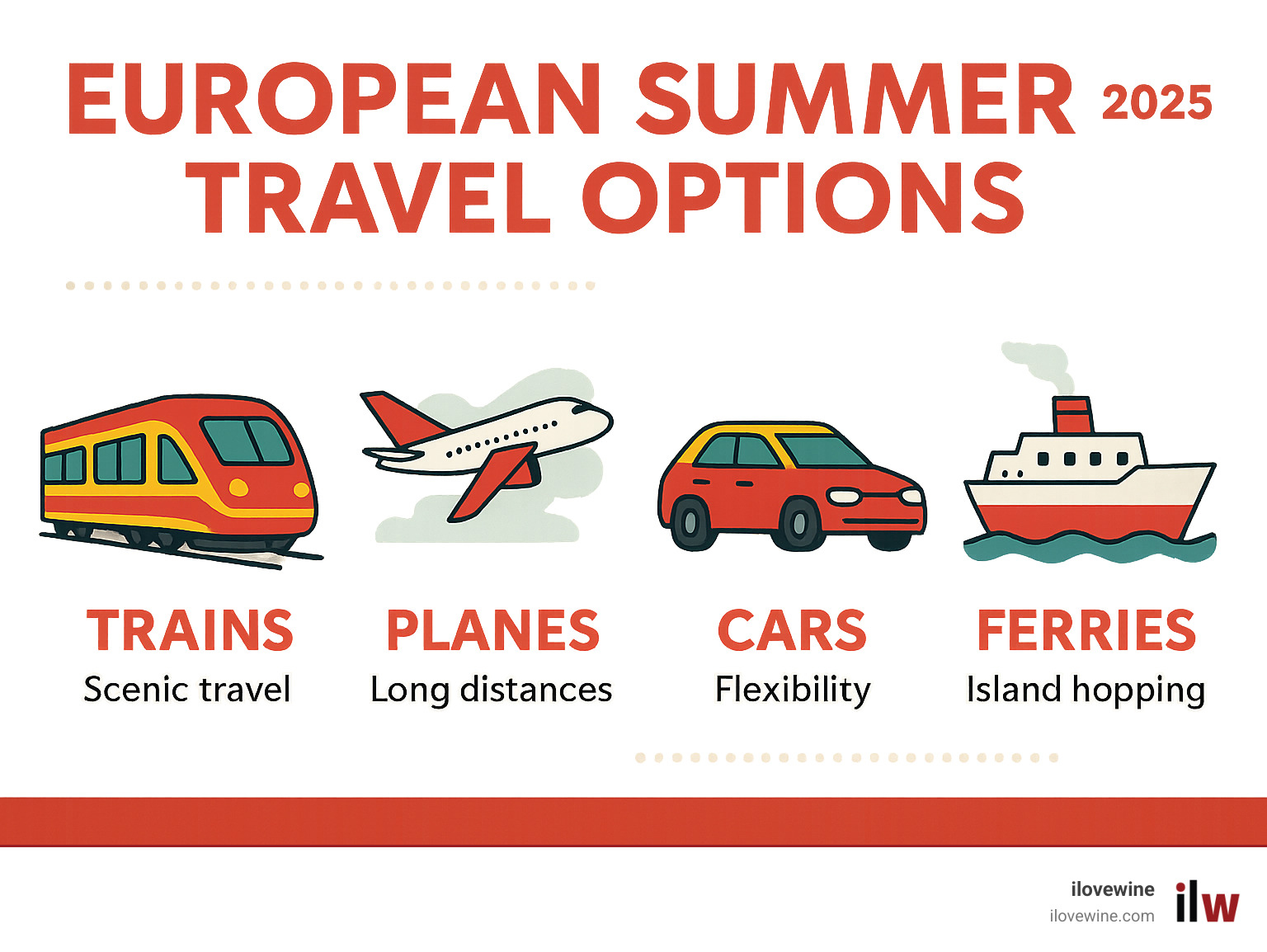
Trains, Planes, and Automobiles
High-speed rail networks are truly Europe’s crown jewel for inter-city travel. There’s something magical about watching the landscape change outside your window as you glide from one country to another. The trains are comfortable, reliable, and often drop you right in the heart of historic city centers – no lengthy airport transfers needed.
For scenic journeys, nothing beats rail travel. Picture yourself on a route along the Danube, perhaps traveling from Vienna to Bratislava, watching castles and vineyards roll by. These journeys become part of the experience rather than just a means to an end.
Budget airlines work brilliantly for longer distances when you need to cover ground quickly. If you’re planning to explore both Scotland’s highlands and the Albanian Riviera, flying between such distant regions makes perfect sense. Yes, there’s a bit more airport hassle, but the time savings can be worth it for far-flung destinations.
Renting a car opens up possibilities that other transport simply can’t match. This is especially true when exploring countryside regions, hidden beaches, or wine territories where public transport might be limited. In places like Sardinia, a car isn’t just helpful – it’s essential for reaching those crystal-clear beaches and ancient sites tucked away from main roads.
The freedom of having your own wheels means you can stop at that charming hillside village that catches your eye, or detour to a vineyard that wasn’t in your original plans. You can find great options for renting a car that suit different budgets and needs.
Ferry travel brings its own special magic, particularly for island hopping in Greece and Croatia. There’s something wonderfully relaxing about standing on deck as you approach the Elaphiti Islands near Dubrovnik, or watching the sun set over the Aegean as you sail toward Naxos. The journey itself becomes a highlight, offering stunning sea views and that true sense of maritime trip.
The ferries also connect you to some of Europe’s most pristine destinations – places where the pace naturally slows down and the summer holiday feeling truly begins.


Frequently Asked Questions about European Summer Holidays
Understanding local transportation options will enhance your European summer holidays experience, making it easy to explore hidden treasures and popular sites alike.
Planning your European summer holidays can feel overwhelming with so many choices and considerations. Over the years, I’ve helped countless travelers steer these decisions, and certain questions come up again and again. Let me share the insights I’ve gathered from years of exploring Europe’s wine regions and hidden corners.
What is the cheapest month for a European summer holiday?
If you’re watching your budget, May and September are your golden tickets for affordable European summer holidays. These shoulder months offer the perfect sweet spot – you’ll find significantly lower flight and accommodation costs compared to the peak chaos of July and August.
September holds a special place in my heart, especially for wine lovers. The harvest season brings incredible energy to vineyard regions, the weather remains beautifully warm, and the crowds have thinned considerably. I’ve found some of my best accommodation deals during this time, sometimes paying 40% less than peak season rates.
May deserves equal attention – it’s when Europe awakens from winter with fresh energy. Hotel rates haven’t yet jumped to summer levels, flights are more reasonable, and you’ll have attractions mostly to yourself. The only trade-off? Water temperatures might still be a bit cool for swimming in northern coastal areas, but southern destinations like the Algarve and Greek islands are perfectly pleasant.
Early June can also offer excellent value, particularly if you can travel before school holidays begin. Just remember that each European country has different school break schedules, so timing matters.
Taking advantage of off-season perks can make your European summer holidays more enjoyable, allowing you to experience Europe like a local.
Which part of Europe is best for families in the summer?
After watching families steer Europe for years, I’ve noticed certain destinations consistently create those magical vacation memories that kids talk about for years.
Portugal’s Algarve region tops my family recommendations – the beaches are stunning, the pace is relaxed, and Portuguese culture genuinely welcomes children. The sandy beaches stretch for miles, perfect for building sandcastles, and the coastal towns have that laid-back vibe that lets parents actually relax.
Tuscany offers something completely different – spacious agriturismo stays where kids can see farm animals, help with simple tasks, and experience rural Italian life. These farm stays often have pools, plenty of space to run around, and serve incredible family-style meals using ingredients grown right on the property.
When choosing a destination for your European summer holidays, think about what types of activities excite you most and align with your travel goals.
Greek islands like Naxos and Kefalonia provide the perfect blend of culture and relaxation. The calm, warm waters are ideal for children, tavernas welcome families with open arms, and there’s something magical about exploring ancient ruins together. Greek hospitality toward children is genuinely heartwarming.
Be sure to incorporate some downtime into your European summer holidays so you can relax and soak in the beauty of your surroundings.
For something different, Croatia’s car-free Elaphiti Islands create a safe, peaceful environment where kids can explore without traffic concerns. The beaches are beautiful, the pace is slow, and ferry rides add their own sense of trip.
How can I best experience local culture, food, and wine?
Connecting with local artisans during your European summer holidays can lead to unique experiences and insights that enrich your trip.
This question gets to the heart of what makes European summer holidays truly transformative. The secret lies in stepping away from tourist restaurants and diving into authentic local experiences.
Consider exploring beyond the tourist hotspots during your European summer holidays to discover the true essence of each location.
Start your mornings at local farmers’ markets – they’re incredible windows into daily life. I love watching families choose their produce, hearing rapid conversations in local languages, and finding regional specialties I’d never find in guidebooks. Markets also offer the freshest ingredients if you’re staying somewhere with a kitchen.
Summer festivals bring European culture to life in ways that museums simply can’t match. Whether it’s a village wine festival in rural France or the massive Edinburgh Fringe, these celebrations show you how locals actually live and celebrate. The energy is infectious, and you’ll often find yourself chatting with residents who are proud to share their traditions.
Cooking classes have become some of my most treasured travel memories. There’s something special about learning to make pasta from an Italian grandmother or understanding the secrets behind perfect Spanish tapas. You return home with skills and recipes that keep the travel memories alive.
Vineyard tours deserve special mention – they combine stunning scenery with cultural education and, of course, exceptional wine. I’ve found that winery visits often lead to the most genuine conversations with locals, whether it’s the winemaker explaining their philosophy or fellow visitors sharing travel stories. Our guide on Cultural Immersion: Exploring Local Cuisine and Wine Across the Globe dives deeper into creating these meaningful connections through food and wine experiences.
The key is balancing planned activities with spontaneous findies. Some of my best European memories happened when I simply followed my curiosity down a side street or accepted an invitation from friendly locals.
Conclusion
Your European summer holidays await, and the possibilities are truly endless. From the sun-kissed vineyards of Tuscany where you can sip Chianti while watching the sunset, to the dramatic fjords of Scotland where ancient castles tell stories of bygone eras, Europe offers something magical for every type of traveler.
Planning your European summer holidays well in advance will help ensure you secure the best accommodations and experiences available.
What makes Europe so special is its incredible diversity packed into a relatively small space. You can start your morning exploring Roman ruins in Croatia, enjoy a leisurely lunch at a French vineyard, and end your day watching the sunset from a Greek island – all within the same trip. Whether you’re a wine lover eager to find hidden gems in Portugal’s Minho region, a beach seeker dreaming of Albania’s pristine coastlines, or a culture enthusiast planning to catch Edinburgh’s Fringe Festival, your perfect summer escape is waiting.
The excitement of planning your European summer holidays is just the beginning; the memories created will last a lifetime.
The secret to making the most of your European journey lies in smart planning. Those shoulder seasons in May, June, and September can transform your experience – imagine having those Instagram-worthy spots almost to yourself while paying significantly less for the privilege. Book early, stay flexible with your dates, and don’t be afraid to venture beyond the obvious choices.
At iLoveWine, we’ve spent years exploring Europe’s hidden corners and celebrated wine regions, and we know that the best trips happen when you blend the must-see sights with authentic local experiences. Whether that’s truffle hunting in Istria, learning to make pasta in a Tuscan farmhouse, or simply sharing a bottle of local wine with new friends at a village festival, these are the moments that make travel unforgettable.
Ready to start planning your 2025 trip? Explore the top wine regions in the world and let your taste buds guide you to your next great European findy. After all, the best journeys are the ones that feed both your wanderlust and your soul.
What's Your Reaction?
