Subterranean Sips: Discovering the Best Cave Wine Experiences


Why Cave Wine Tasting Offers an Unforgettable Journey
Cave wine tasting takes you beneath the vineyard into a world where science meets tradition. These underground cellars aren’t just storage spaces—they’re carefully engineered environments that transform how wine ages and how you experience it.
Quick Guide to Cave Wine Tastings:
- Where to Find Them: Napa Valley (California), Champagne region (France), Beamsville Bench (Ontario), Croatia’s Adriatic coast, Gran Canaria (Spain)
- What to Expect: Seated tastings in natural or carved cellars, guided tours through barrel rooms, small-production wines, food pairings
- Cost Range: $60-$150 per person for standard experiences, $300+ for private proposals or exclusive tastings
- Booking: Reservations required (often 1-2 weeks advance), group sizes typically 6-14 guests
- What to Wear: Layers (caves stay around 55-58°F), comfortable closed-toe shoes, skip the perfume
- Duration: 90 minutes average
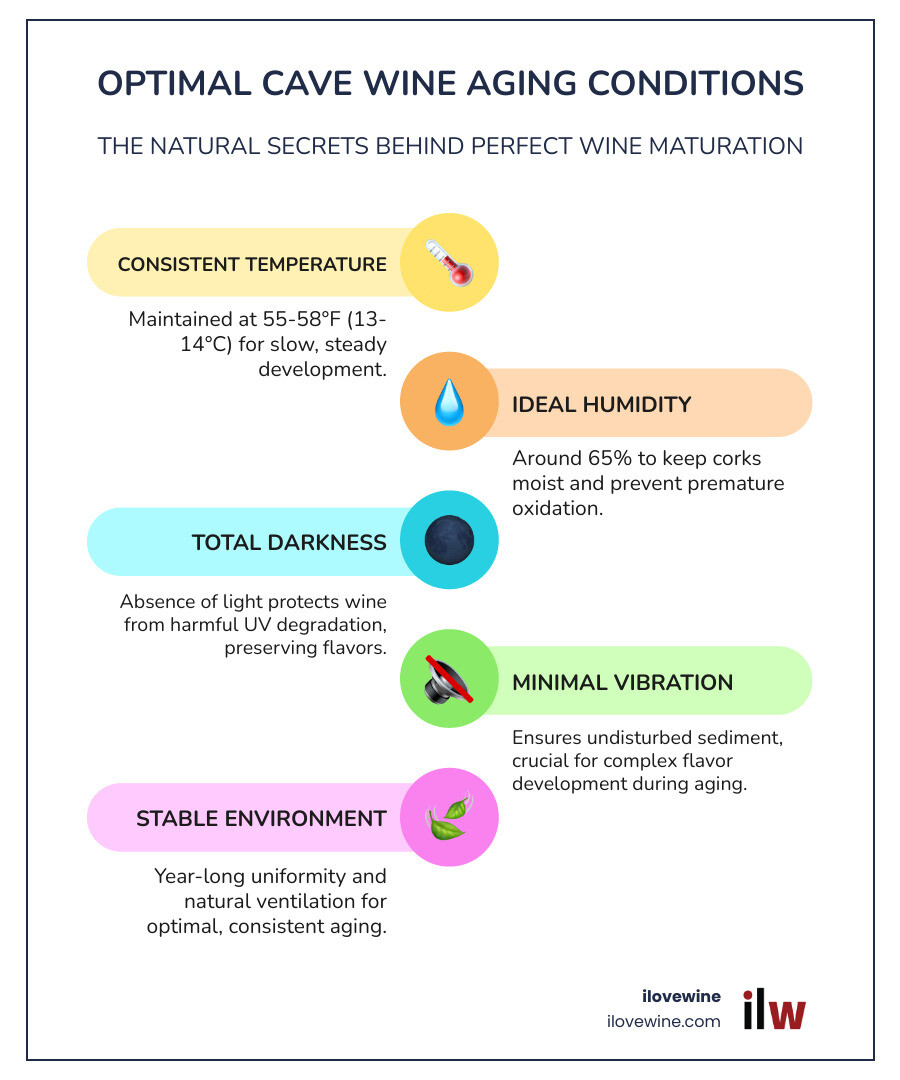
The appeal goes beyond novelty. Wine caves maintain consistent temperatures between 55-58 degrees Fahrenheit and humidity around 65%—the ideal conditions for aging premium wines. This natural stability means wines develop more complex flavors over time. For you as a taster, the cool, quiet environment also sharpens your senses, letting you focus on the wine’s aromas without distraction.
From Napa’s volcanic calderas to Champagne’s historic chalk crayères dating back to the second century, each cave tells a story. Some require boat access along Croatian coastlines. Others sit 35 feet below active vineyards. A few even offer tastings in complete darkness to heighten your palate.
The experience connects you directly to the winemaking process—you’re literally standing where the wine ages, surrounded by the barrels that shape its character.
The Allure of Cave Wine Tasting: What to Expect
When you step into a cave wine tasting, you’re entering a space where geology and winemaking have been dancing together for centuries. These aren’t just storage rooms—they’re living environments carved from ancient rock, each telling its own story through stone and shadow.
The Science and Scenery of Wine Caves
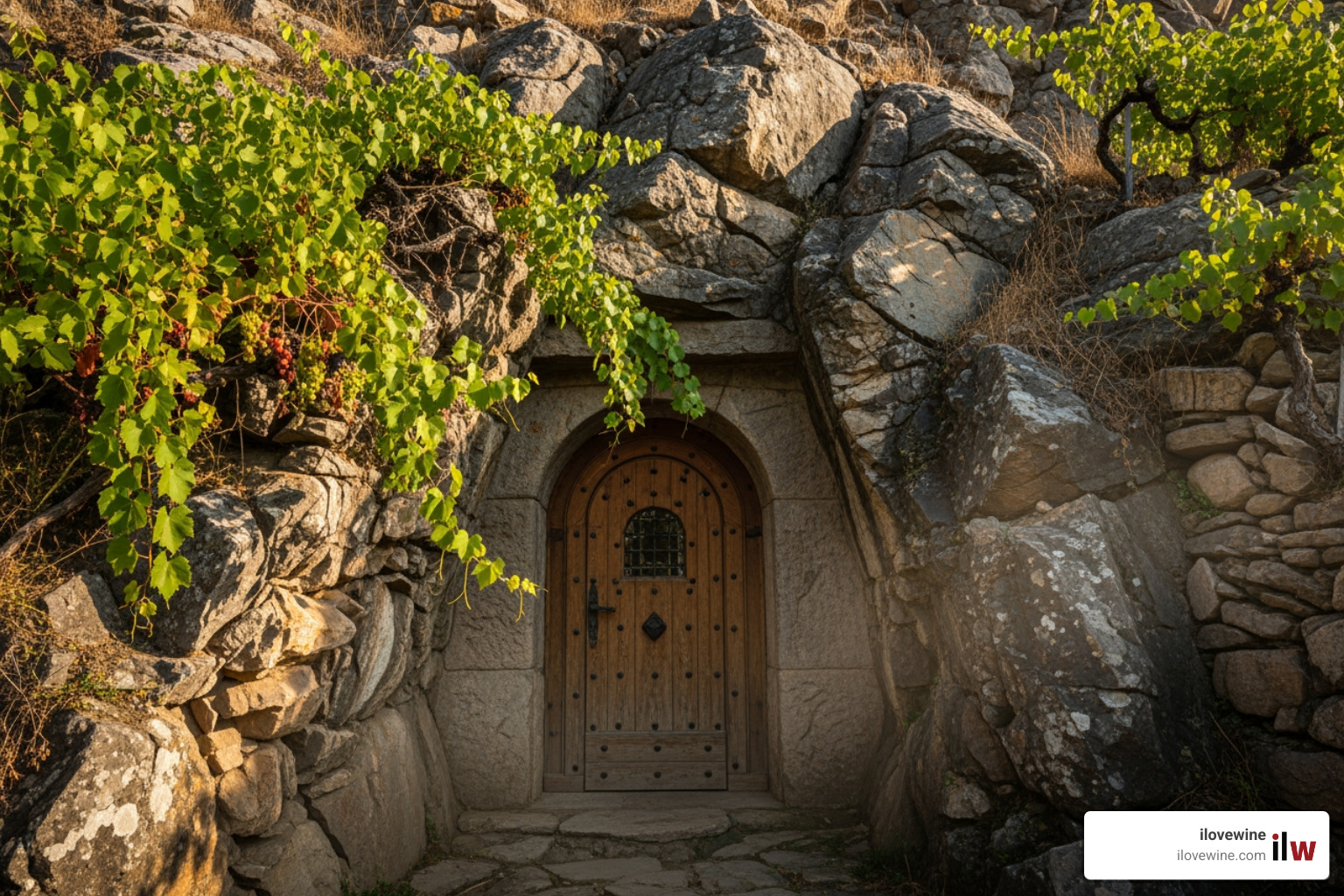
The geological diversity of wine caves spans continents and eras. In Napa Valley, some of the most striking examples sit within volcanic calderas, where ancient basalt provides the perfect foundation. FIGGINS carved their subterranean caves into 15-million-year-old solid basalt, reaching 35 feet below the vineyard. Founder Chris Figgins describes his philosophy beautifully: building “of it and in it, giving her the respect she so deserves.” The rock itself becomes part of the winemaking story.
Just down the road, Caldwell Vineyard’s 20,000 square foot cave stretches through an ancient volcanic caldera. The rugged volcanic rock creates a natural cathedral for their wines, maintaining the steady cool temperatures that make aging possible.
Cross the Atlantic to Champagne, France, and you’ll find the historic chalk crayères—limestone quarries that date back to the second century. These vast underground networks, some like Champagne Charles Heidseck Pavilion extending 65 feet below ground, have housed vintages for generations. The porous chalk naturally regulates humidity while the depth keeps temperatures constant year-round.
Along Croatia’s Adriatic coast, adventure meets viticulture in limestone cave cellars accessible only by boat. The journey itself becomes part of the experience, connecting you to both the wine and the dramatic coastal landscape. Even in Gran Canaria, Spain, underground tasting rooms built from volcanic debris offer their own unique character.
These caves blend architectural vision with geological reality. Modern design integrates seamlessly with ancient rock—Chris Figgins’ architectural background shines through in his winery’s harmonious blend of cutting-edge aesthetics and functional winemaking needs. Whether hewn from solid rock or naturally formed over millennia, each cave respects the earth while creating intimate spaces where wine quietly transforms.
Types of Cave Wine Tasting Experiences
The beauty of cave wine tasting lies in its variety. Every winery shapes its offerings around its unique environment and philosophy.
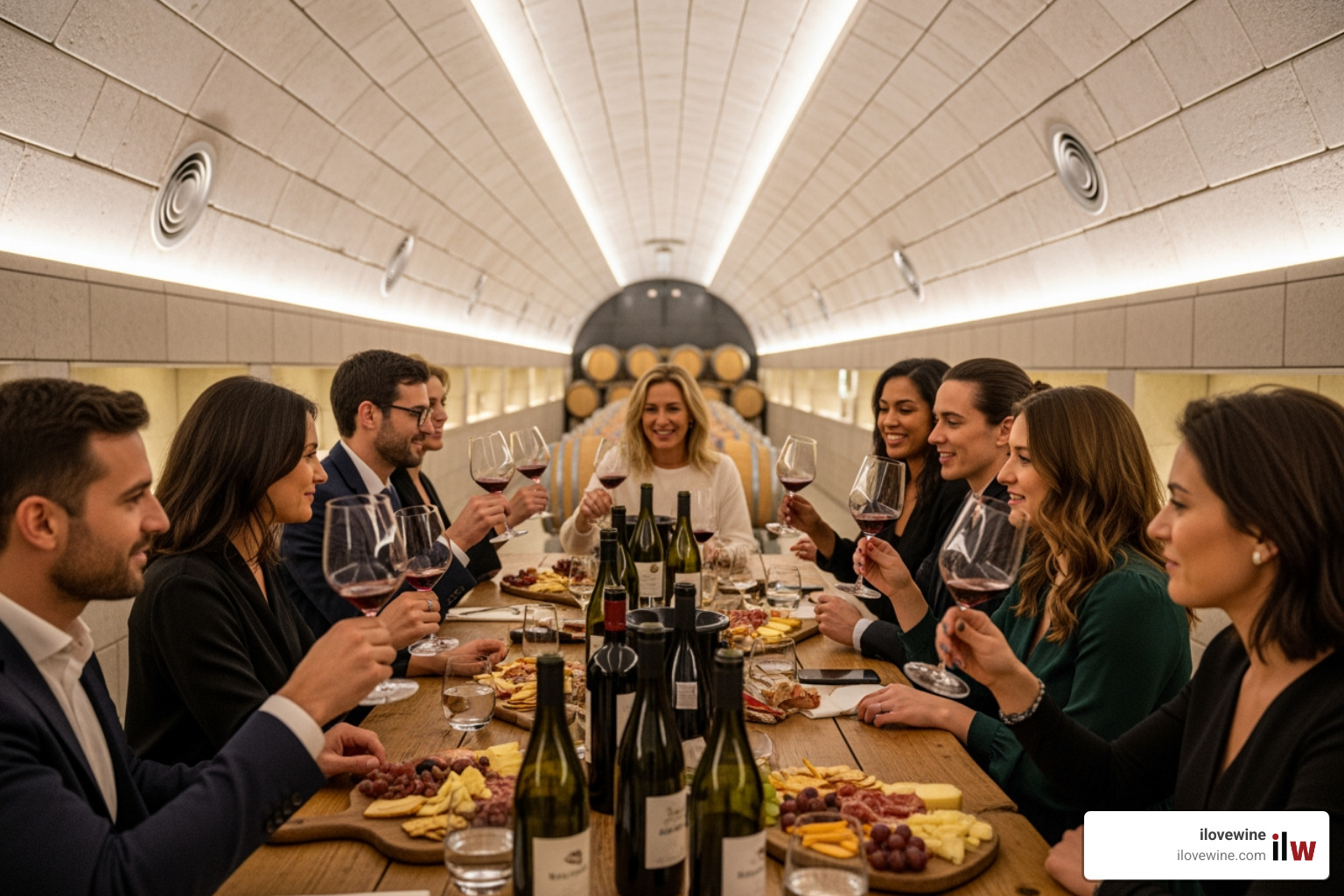
Classic tastings focus on the wine itself. At The Caves at Soda Canyon in Napa Valley, their seated flights feature six ultra-premium, small-production wines. Caldwell Vineyard offers five estate wines, often accompanied by a ploughman’s platter, all within their massive 20,000 square foot cave. These experiences let you concentrate on each pour’s nuances, guided by hosts who know every barrel by name.
If you want to understand how wine actually happens, tour and tasting combos take you behind the scenes. Rombauer Vineyards walks you through their winemaking caves, explaining techniques and sharing family history before you sit down for a portfolio tasting. Gervasi Vineyard offers an insider’s view of the barrel room, where you can see wines mid-change. Standing among the barrels that shape each vintage’s character makes the final taste that much richer.
For something more exclusive, premium and private tastings deliver intimacy and depth. The Caves at Soda Canyon offers their Cave Cabernet Collection Tasting for serious Cab lovers, plus private experiences for larger groups. Bachelder Niagara’s “Bat Cave” cellars host appointment-only tastings exclusively for mailing list subscribers—a truly personal taste-and-buy experience that feels like visiting a friend’s private collection.
Then there are the unique formats that push boundaries. Some cellars offer tastings in complete darkness, stripping away visual cues so your nose and palate work overtime. Croatian cave accessible only by boat? The adventure of getting there heightens everything that follows. These unconventional approaches transform cave wine tasting from a simple activity into a memorable story.
Planning Your Cave Wine Tasting: A Practical Guide
A successful cave visit starts with good planning. These aren’t walk-in experiences—reservations are essential, often requiring one to two weeks advance booking. The Caves at Soda Canyon, Rombauer, and Caldwell Vineyard all operate strictly by appointment. This exclusivity keeps group sizes intimate, typically ranging from six to twelve guests for standard experiences.
Cost varies with the experience. Standard cave tastings run $85 to $150 per person—The Caves at Soda Canyon charges $85 for their Classic Cave Tasting and $150 for their Cave Cabernet Collection. Rombauer’s Napa Valley Cave Tour and Tasting sits at $125. Cave Spring Vineyard offers specialized experiences like their “Frosty Vines: An Icewine Experience” for around $60, while their “Proposals @CSV” package reaches $300 for something truly special. Groups of eight or more often see a 15% gratuity added automatically.
What to wear matters more than you might think. Caves hover around 55-58 degrees Fahrenheit year-round, so dress in layers—that cute sundress won’t cut it underground. Comfortable, closed-toe shoes are non-negotiable. You’ll walk on uneven stone, possibly through areas with drains. High heels look great in photos but can turn dangerous on cave floors.
A few etiquette tips will help everyone enjoy the experience. Skip the perfume or cologne entirely—strong scents overwhelm the subtle aromas you’re there to appreciate. Instead of asking if winemakers add blueberries to create those fruity notes (they don’t!), ask informed questions about grape varietals, fermentation choices, or regional characteristics. Your host will light up at genuine curiosity. And remember, spitting samples is perfectly acceptable when you’re tasting multiple wines. Your palate (and your ride home) will thank you.
The Unique Flavors of a Cave Wine Tasting
The cave environment doesn’t just store wine—it shapes it. Those consistent cool temperatures and stable humidity create the perfect conditions for complex flavor development. Wines mature slowly in the darkness, developing layers of aroma and taste that rushed aging simply can’t replicate. The slight humidity keeps corks properly sealed, preventing premature oxidation, while the darkness guards against light damage.


The featured varietals you’ll encounter reflect each region’s strengths. Napa Valley caves specialize in bold Cabernet Sauvignon, where extended aging in basalt caves builds complexity—think dark fruit, baking spices, and earthy undertones. The Niagara region, particularly Cave Spring Vineyard on the Beamsville Bench, focuses on dry Riesling and structured Cabernet Franc. They also produce exceptional Icewine, taking advantage of Ontario’s brutal winters, plus refined Chardonnay that benefits from the steady cave temperatures.
In Champagne’s historic chalk crayères, French Champagne ages on its lees for years, developing the toasty, yeasty complexity that defines the region. Along Croatia’s Adriatic coast, you’ll find Plavac Mali and the limited-production Plavac Mirko aged in Slavonian oak barrels, known for their peppery, smoky profiles that pair beautifully with local cuisine.
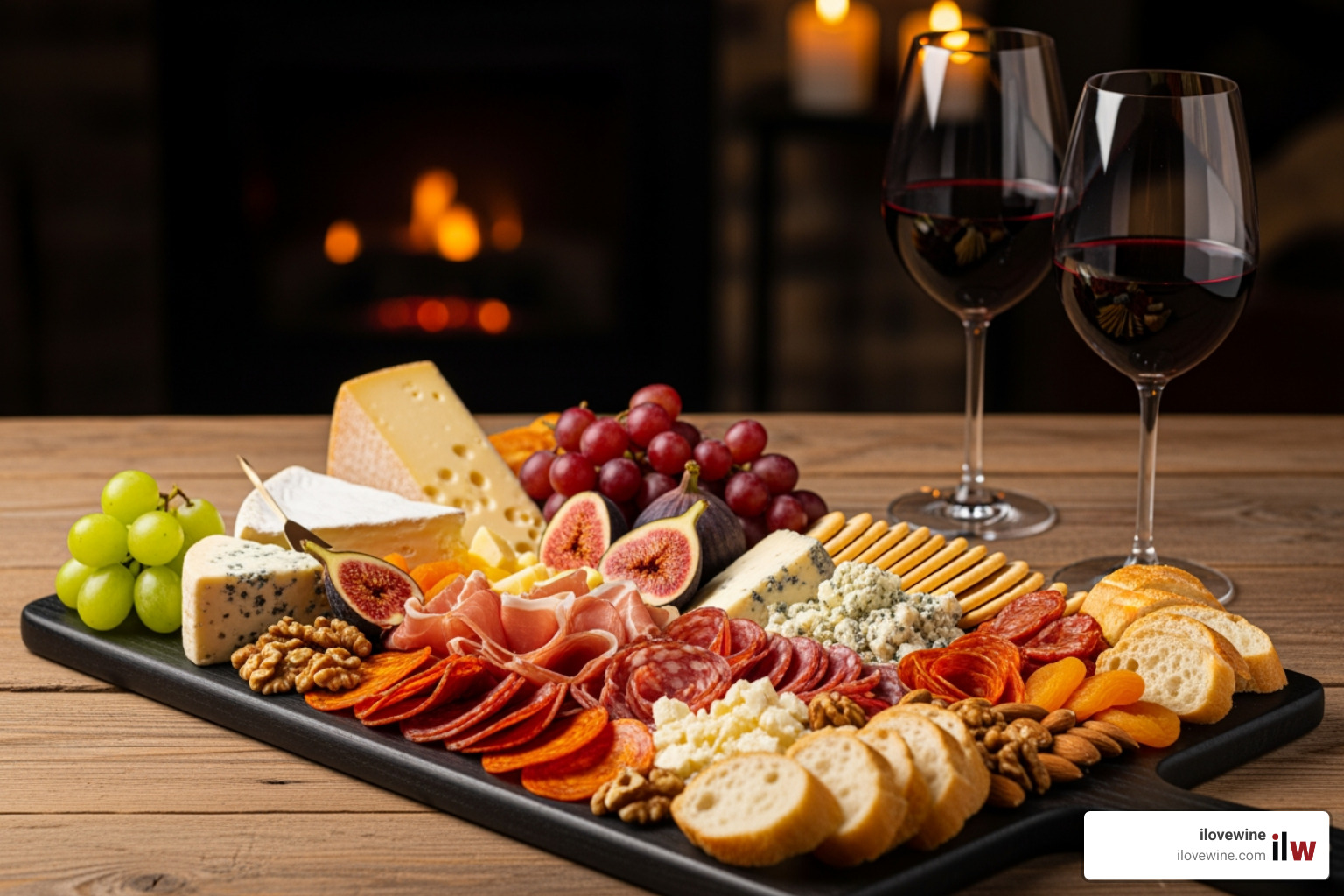
Curated food pairings transform tasting into a full sensory experience. Caldwell Vineyard serves artisan cheese and charcuterie platters with their standard tastings, while their Champagne experience includes Tsar Nicolai sturgeon dip with an optional caviar upgrade. Rombauer provides personal grazing boards designed to complement their portfolio. Cave Spring Vineyard offers light bites at their tasting rooms and hosts special events like Chardonnay Brunch, where food and wine weave together seamlessly. They’ve even created “Barkuterie Boards” for dog-friendly events—because why should humans have all the fun?
These pairings aren’t random. Each cheese, each charcuterie selection, each bite is chosen to highlight specific characteristics in the wine, creating harmonies that make both food and wine taste better than they would alone.
Lift Your Wine Knowledge
There’s something transformative about standing deep underground, surrounded by aging barrels, cool stone walls pressing in around you. Cave wine tasting isn’t just about drinking wine—it’s about understanding how the earth itself shapes what ends up in your glass.
Throughout this guide, we’ve explored how volcanic calderas in Napa, ancient chalk crayères in Champagne, and limestone caves along Croatia’s coast all create perfect conditions for wine to develop its full character. The science is straightforward: temperatures hovering around 55-58 degrees, steady humidity, and complete stillness allow wines to age slowly and gracefully. But the experience? That’s where the magic happens.
When you taste wine in the same space where it’s been maturing—sometimes for years—you’re connecting with the entire winemaking journey. You can smell the oak from nearby barrels. You can feel the coolness that keeps the wine stable. You can see why a winemaker chose to carve into solid basalt or restore a centuries-old cellar.
These aren’t everyday experiences. Whether you’re sipping Cabernet in a volcanic cave 35 feet below a Napa vineyard, enjoying Champagne in a Roman-era chalk cellar, or finding Croatian Plavac Mali accessible only by boat, each tasting tells a story that goes far beyond the wine itself.
At iLoveWine, we’re passionate about connecting wine lovers with these extraordinary moments. We believe the best way to appreciate wine is to understand where it comes from—not just the vineyard, but the very earth beneath it. These underground journeys offer exactly that: a chance to taste, learn, and experience wine in its most authentic setting.
Ready to refine your palate even further? Learn the fundamentals of wine tasting with our comprehensive guide. Your next underground adventure awaits.
What's Your Reaction?
