The Cava and Prosecco Showdown: Which Bubbly Wins?


Your Guide to the World of Bubbles
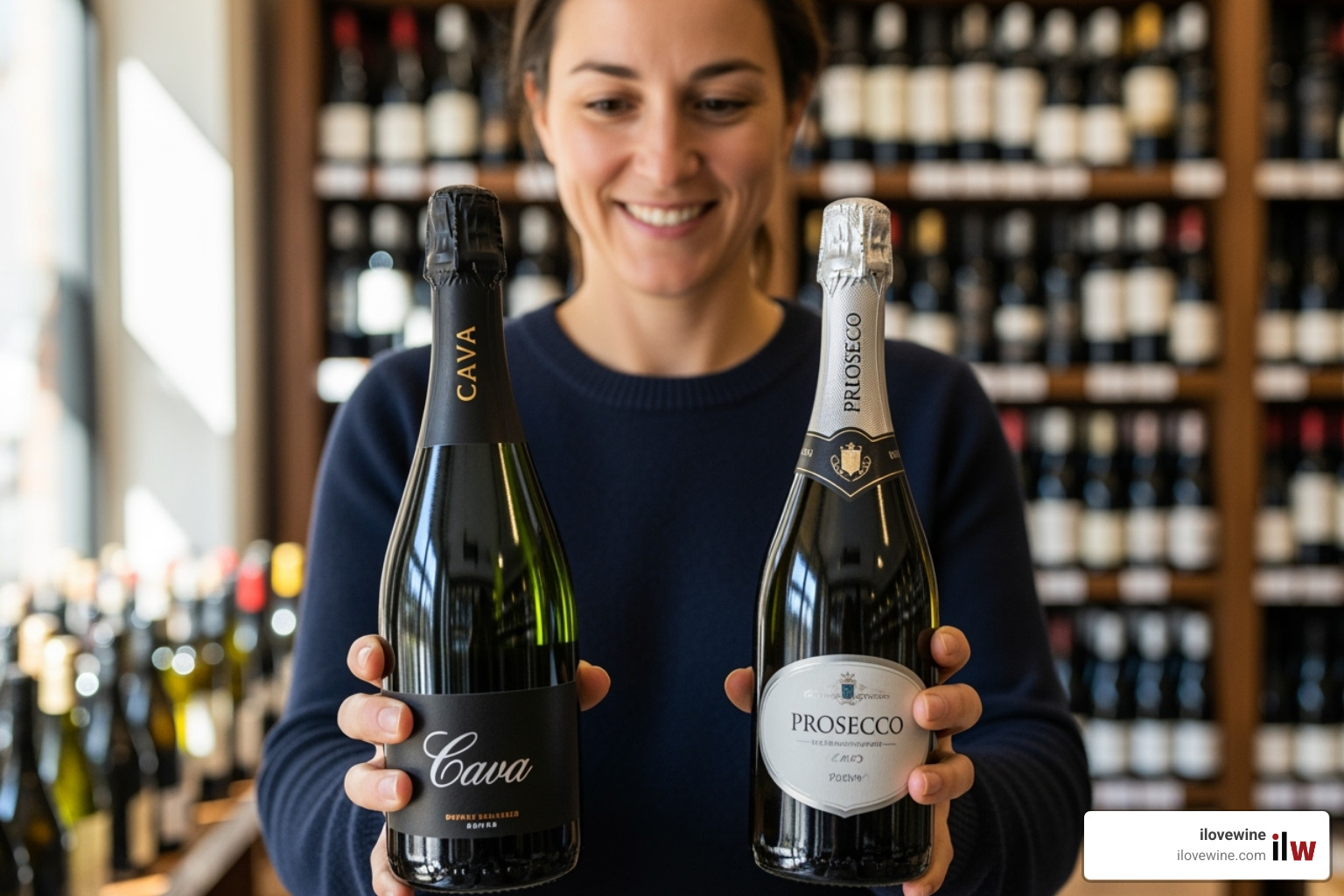
The cava vs prosecco debate has wine lovers choosing sides across the globe. Here’s what you need to know:
Quick Comparison:
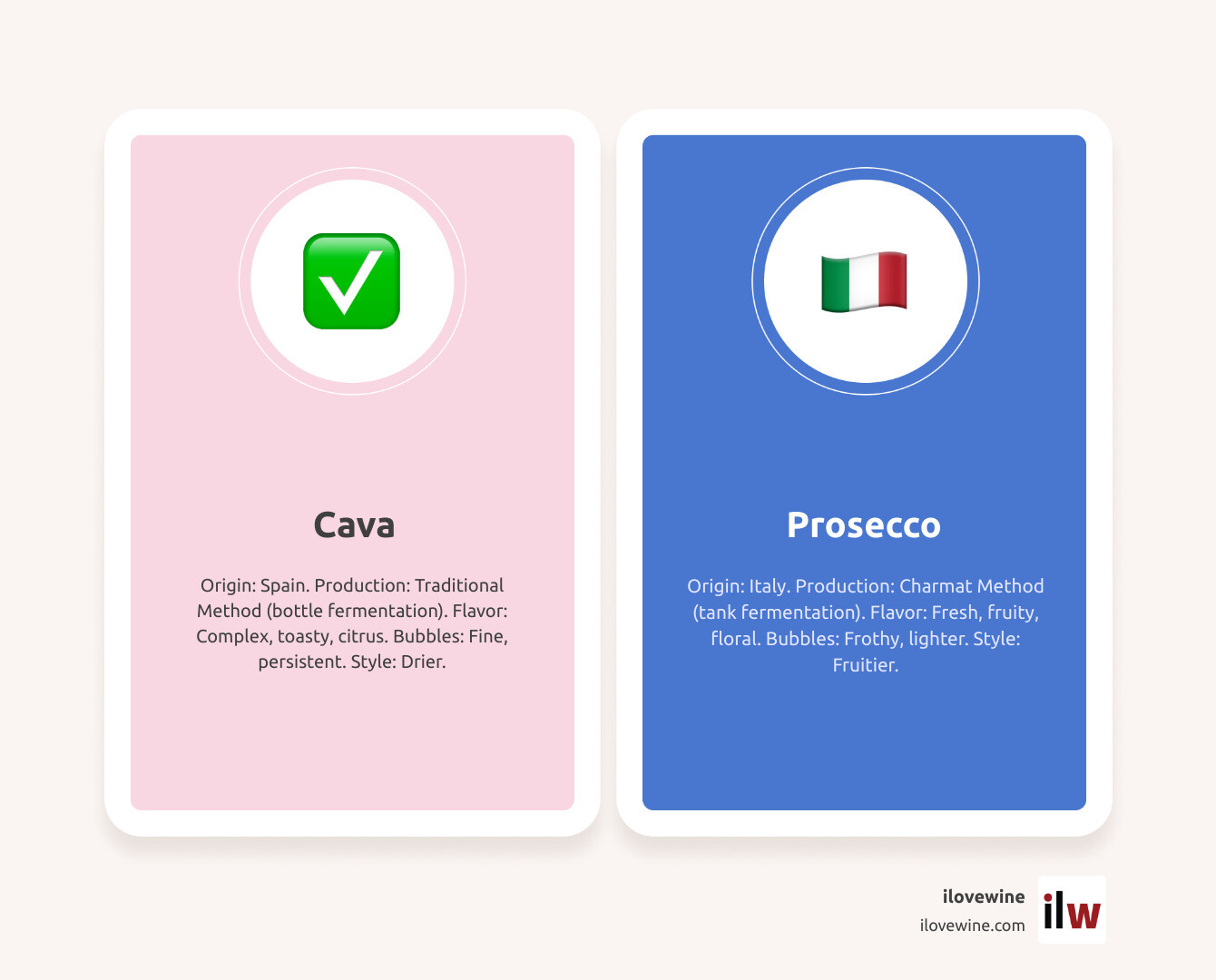
- Cava: Spanish sparkling wine made using the traditional method (bottle fermentation), offering complex, toasty flavors with fine bubbles
- Prosecco: Italian sparkling wine made using the tank method, delivering fresh, fruity flavors with light, frothy bubbles
- Price: Both offer excellent value, with Cava typically $15-25 and Prosecco $12-20
- Best For: Cava pairs well with food and celebrations; Prosecco excels in cocktails and casual sipping
When given the choice between sparkling wines, most people gravitate toward these two crowd-pleasers. But despite both being bubbly, they couldn’t be more different. Cava comes from Spain’s Catalonia region and uses the same labor-intensive bottle fermentation method as Champagne. Prosecco hails from Italy’s Veneto region and gets its sparkle from a faster, more efficient tank fermentation process.
The production method makes all the difference. Cava’s traditional approach creates complex, yeasty flavors with persistent bubbles, while Prosecco’s tank method preserves fresh fruit flavors with lighter, frothier bubbles. One isn’t better than the other – they’re just different tools for different occasions.
As Jonas Muthoni from iLoveWine, I’ve tasted countless bottles of both styles during my travels through Spanish bodegas and Italian wineries, exploring how terroir and technique shape the cava vs prosecco conversation. My tastings have revealed that understanding these differences helps wine lovers make perfect pairing choices for any occasion.
From Vineyard to Glass: Origins and Production Methods
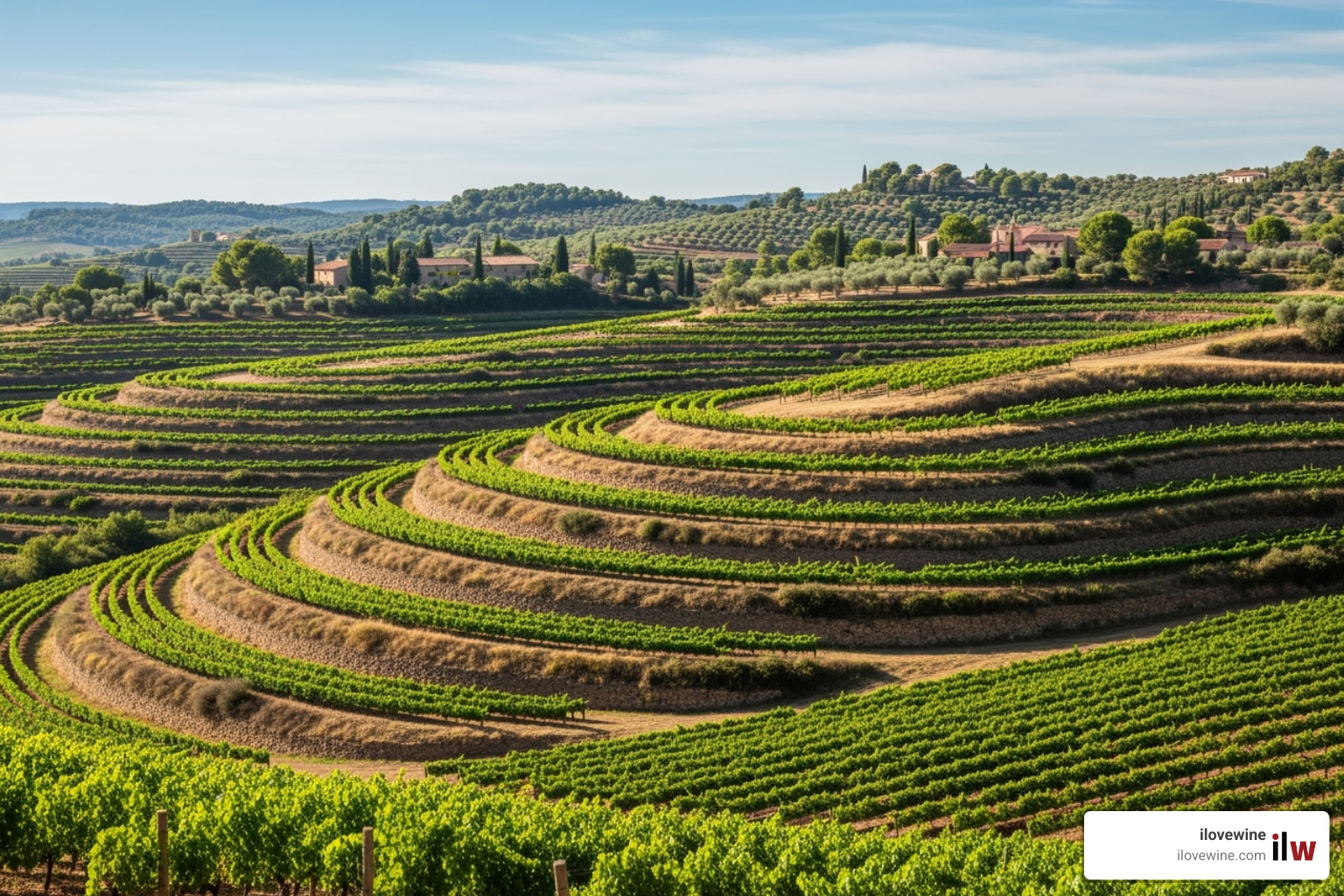
Think of sparkling wine like a good story – it all starts with where it comes from and how it’s made. The cava vs prosecco tale isn’t just about two different bottles on the shelf. It’s about two completely different approaches to creating bubbles, each shaped by their homeland’s grapes, climate, and centuries-old traditions.
Understanding these origins helps explain why your glass of Cava tastes so different from your friend’s Prosecco, even though they’re both sparkling wines. Let’s take a journey from vineyard to glass to see how these two favorites earn their unique personalities.
The Heart of Cava: Traditional Grapes and Spanish Terroir
Picture the sun-soaked hills of Catalonia, where 95% of all Cava comes to life in the Penedès region. This corner of northeastern Spain enjoys a Mediterranean climate that’s perfect for growing the three native grapes that give Cava its character.
The stars of the show are Macabeu, Xarel-lo, and Parellada – three Spanish grape varieties you won’t find making sparkling wine anywhere else. Macabeu brings fresh citrus notes, Xarel-lo adds structure and minerality, while Parellada contributes delicate floral aromas. Together, they create a blend that’s uniquely Spanish.
The name “Cava” actually comes from the Catalan word for “cave,” referring to the underground cellars where this Spanish sparkling wine ages. Modern producers also blend in some Chardonnay and Pinot Noir for extra complexity, but those three native grapes remain the heart and soul of authentic Cava.
Want to dive deeper into this Spanish gem? Check out our complete guide on What is Cava Wine? for all the details.
The Soul of Prosecco: The Glera Grape and Italian Hillsides
Cross over to Italy’s Veneto and Friuli regions, and you’ll find Prosecco’s much simpler grape story. This Italian sparkling wine is all about one star: the Glera grape.
Here’s a fun fact – until 2009, this grape was actually called “Prosecco.” Italian authorities cleverly renamed it to Glera to protect the Prosecco name as a Protected Designation of Origin (DOC/DOCG). Smart move! Now only sparkling wine made in these specific Italian regions can legally call itself Prosecco.
Glera must make up at least 85% of any Prosecco blend, though winemakers can add small amounts of local varieties like Verdiso and Bianchetta Trevigiana. The gentle hillsides and temperate climate of these Italian regions help Glera develop its signature fresh, floral, and fruity character that makes Prosecco so approachable and fun to drink.
How They’re Made: The Cava vs Prosecco Production Divide
Here’s where the cava vs prosecco story gets really interesting. These wines take completely different paths to get their bubbles, and that makes all the difference in your glass.
Cava uses the Traditional Method – the same labor-intensive process that makes Champagne so special. After creating a still base wine, winemakers add yeast and sugar to each individual bottle, then seal it up. The yeast gets to work, creating alcohol and carbon dioxide right there in the bottle. This secondary fermentation in bottle creates serious pressure – about 5-6 atmospheres – which gives Cava those fine, persistent bubbles.
The magic happens during lees aging. Those dead yeast cells stick around in the bottle for at least nine months (much longer for premium Cavas), giving the wine complex, toasty, brioche-like flavors. It’s like slow-cooking for wine – time-consuming but worth every minute. For the full story on this fascinating process, read our guide on How Sparkling Wine is Made.
Prosecco takes the express route with the Charmat Method or Tank Method. Instead of fermenting in individual bottles, everything happens in large, pressurized stainless steel tanks. Secondary fermentation in tank is faster and more efficient, with no lees aging required.
This cost efficiency keeps Prosecco prices friendly, but it also means the wine tastes completely different. The lower pressure (around 3 atmospheres) creates those light, frothy bubbles, while the lack of lees contact preserves the fresh, fruity flavors of the Glera grape. No complexity from aging – just pure, vibrant fruit character.
That’s the fundamental difference driving the cava vs prosecco debate: one wine builds complexity through time and tradition, while the other celebrates fresh, immediate fruit flavors. Both approaches have their place, depending on what you’re in the mood for.
A Tale of Two Palates: Flavor, Bubbles, and Texture
Here we’ll taste the difference, exploring how the production method directly impacts the flavor profile, the feel of the bubbles (mousse), and the overall character of each wine in your glass.
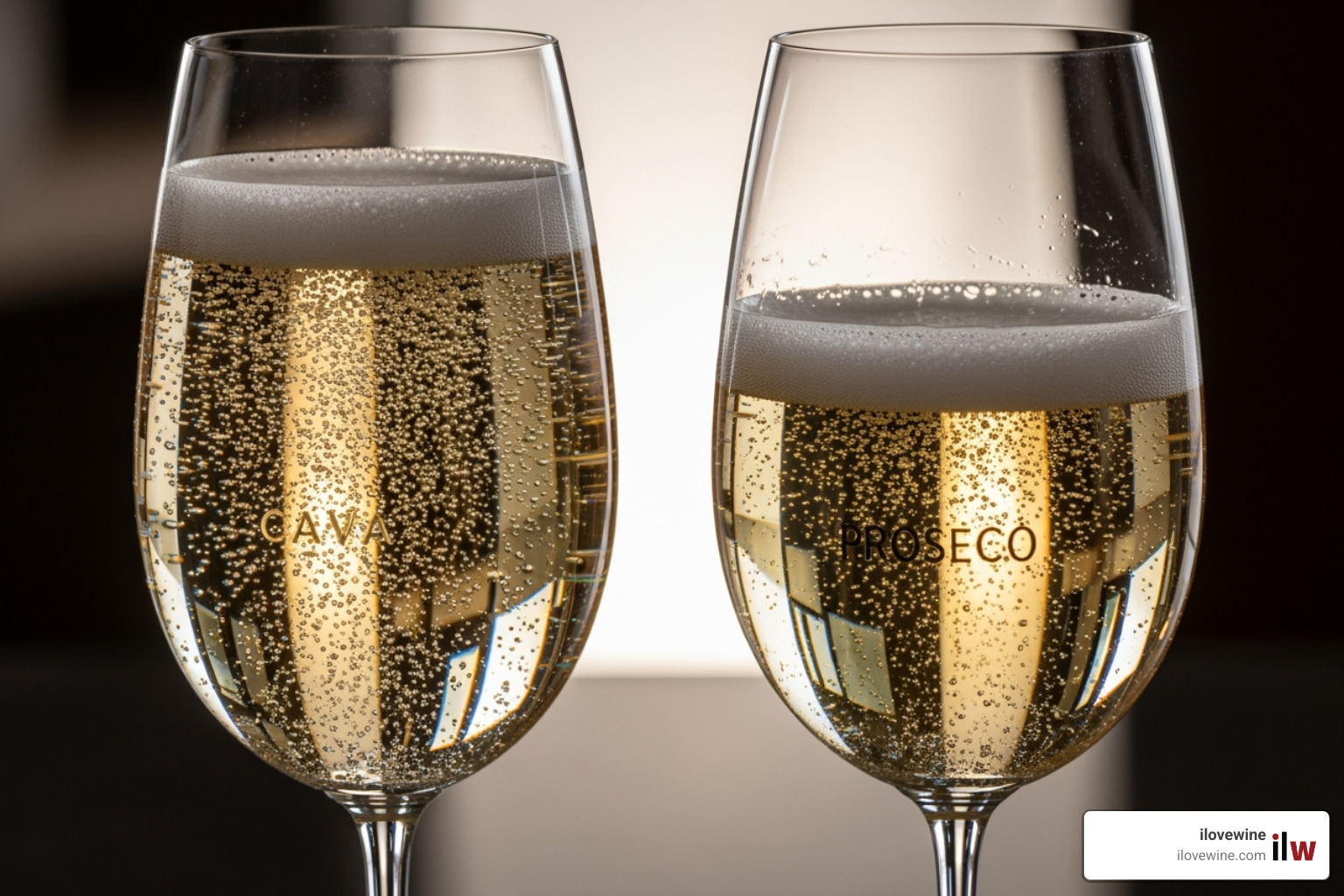
Now that we understand how Cava and Prosecco are made, let’s dive into the fun part: tasting them! The production methods we just discussed directly translate into the unique flavor profiles, aromatic characteristics, and the very texture of the bubbles (or “mousse”) that dance in your glass. This is where the cava vs prosecco debate gets delicious.
Cava’s Flavor Profile: Complex, Toasty, and Dry
Thanks to the Traditional Method and its minimum nine months of lees aging, Cava often presents a more complex and sophisticated flavor profile. When you sip Cava, you’ll typically encounter bright citrus notes, like lemon zest and grapefruit, often intertwined with crisp green apple and pear. But the real magic comes from the yeast contact: you’ll often detect delightful toasty brioche notes, reminiscent of freshly baked bread or nuts. This yeasty character can also lend a savory minerality, giving Cava a depth that Prosecco typically doesn’t possess.
Because of this production method, Cava tends to be drier than Prosecco. While Cava offers various sweetness levels (which we’ll discuss shortly), the most common style, Brut, is known for its crisp, refreshing dryness. If you’re someone who appreciates wines with less residual sugar, our guide on Dry Wine vs Sweet Wine: A Complete Guide might be right up your alley.
The bubbles in Cava are generally fine and persistent, similar to those found in Champagne. This is due to the high pressure (5 to 6 atmospheres) created during the secondary fermentation in the bottle. These fine bubbles contribute to Cava’s creamy texture and neat mouthfeel, lingering pleasantly on the palate.
Prosecco’s Flavor Profile: Fruity, Floral, and Fresh
Prosecco, produced using the Charmat Method, aims to preserve the fresh, vibrant, and fruit-forward characteristics of the Glera grape. When you taste Prosecco, expect an explosion of fruit notes: juicy green apple, ripe pear, honeydew melon, and sometimes even hints of nectarine or lemon rind. Alongside the fruit, you’ll often find delicate floral aromas, like jasmine, white flowers, or honeysuckle, which contribute to its light, fresh, and flowery fragrance.
Prosecco is typically lighter in body and often perceived as sweeter than Cava, even in its “Brut” style, due to its fruity character. It’s designed to be enjoyed young and fresh, as its charm lies in these primary fruit and floral aromas, which can fade with age. If you’re curious about how wine can be so flavorful without being overly alcoholic, you might enjoy our article on Wine Not Tasting Like Alcohol.
The bubbles in Prosecco are notably different from Cava’s. They are generally larger, lighter, and frothier, creating a delightful effervescence that quickly dissipates. This “frothy” mousse is a direct result of the lower pressure (around 3 atmospheres) and the tank fermentation method, which doesn’t integrate the carbonation as finely as bottle fermentation. While less persistent, these bubbles add to Prosecco’s easy-drinking, lively appeal.
Decoding the Label: Sweetness Levels Explained
Both Cava and Prosecco come in various sweetness levels, often indicated on the bottle. Understanding these terms is crucial, as they don’t always mean what you might intuitively think! It’s a common misconception that “Dry” means no sugar, but in sparkling wine, it can actually mean slightly sweet.
Here’s a handy table to help you decode the sweetness levels for both Cava and Prosecco:
| Sweetness Level | Cava (Grams of Sugar per Liter) | Prosecco (Grams of Sugar per Liter) | Description |
|---|---|---|---|
| Brut Nature | 0-3 | – | Extremely dry, no added sugar. |
| Extra Brut | 0-6 | – | Very dry. |
| Brut | Up to 12 | Up to 12-15 | Dry to very dry. Most common style for Cava, common for Prosecco. |
| Extra Dry | 12-17 | 12-17 | Slightly sweet (ironically, sweeter than Brut). Very common for Prosecco. |
| Dry (Seco/Sec) | 17-32 | 17-32 | Noticeably sweet. |
| Semi Seco | 32-50 | – | Medium sweet. |
| Dulce | More than 50 | – | Sweetest style. |
As you can see, the terms can be a bit tricky! Prosecco is most often found in Brut and Extra Dry styles, with Extra Dry being the most popular and often perceived as “not too sweet, not too dry.” Cava, on the other hand, is more commonly produced in the drier Brut or even Brut Nature styles, further solidifying its reputation for complexity and dryness compared to Prosecco.
The Ultimate Cava vs Prosecco Comparison: Price, Pairings, and Popularity
Now that we’ve explored the origins, production methods, and flavor profiles, let’s get down to the fun stuff. When it comes to the cava vs prosecco showdown, what really matters is how they fit into your life – your budget, your dinner table, and your social gatherings.
Price and Value: Which Bubbly is a Better Buy?
Here’s the beautiful thing about both Cava and Prosecco: they deliver sparkling wine joy without the Champagne price tag. While Champagne typically starts around $40 for an entry-level bottle, both of these European gems offer delightful bubbles at a fraction of the cost.
Prosecco generally wins the affordability contest, with bottles typically ranging from $12-$20. This lower price point comes directly from its production method. The Charmat Method, using large stainless steel tanks, is significantly less labor-intensive and much faster than the Traditional Method. Producers can scale up production efficiently, and those savings get passed on to you. This accessibility has helped Prosecco become the best-selling sparkling wine globally.
Cava usually falls in the $15-$25 range. While slightly pricier than Prosecco, it still represents incredible value for money. Cava uses the same labor-intensive Traditional Method as Champagne – requiring more time, space, and manual work like riddling and disgorgement. This commitment to a complex, time-consuming process means Cava often delivers a level of sophistication and fine bubbles that can rival much more expensive sparkling wines.
Many wine enthusiasts argue that for the same price, Cava offers more complexity and intrigue due to its aging on lees. It’s proof that traditional methods can create exceptional quality at accessible prices.
Perfect Pairings: What to Eat with Your Sparkling Wine
The flavor differences between these wines make them shine with different foods. Choosing the right one can transform a good meal into something truly memorable.
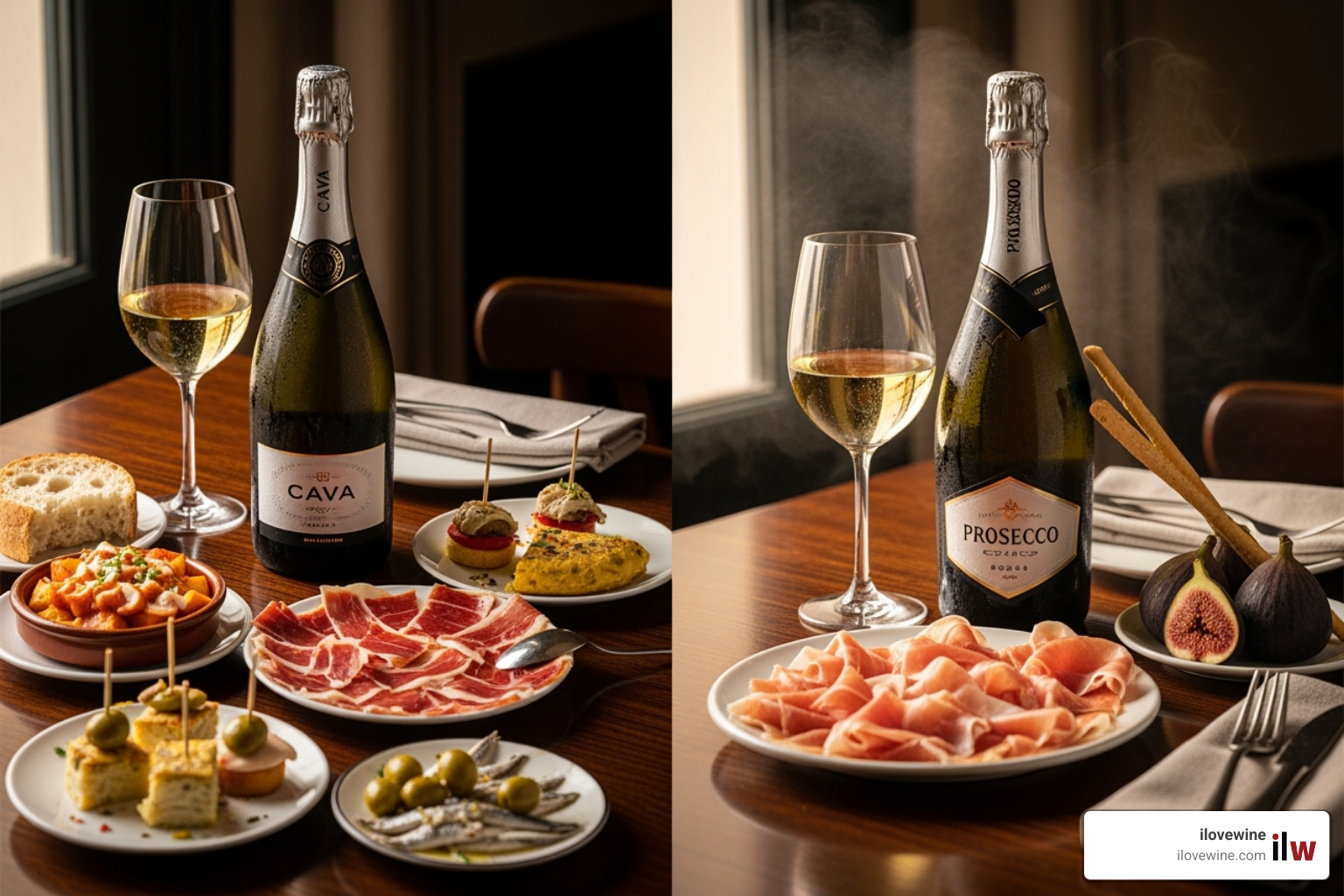
Cava’s drier, more complex profile with crisp acidity makes it exceptionally food-friendly. It’s fantastic with traditional Spanish tapas like jamón serrano, olives, patatas bravas, and grilled seafood – the acidity cuts through richness and cleanses your palate. Seafood lovers rejoice – from fresh oysters and shrimp to grilled fish and paella, Cava’s minerality and citrus notes complement the ocean’s bounty beautifully.
The crisp acidity also makes Cava perfect for fried foods. Think fried chicken, calamari, or fish and chips – it’s like adding a squeeze of lemon, but with bubbles! Aged cheeses, goat cheese, or nutty Manchego find a great friend in Cava, and surprisingly, its versatility makes it wonderful with medium-spiced Asian dishes, from sushi to Thai curries.
Here are the Top 5 Tapas to Pair with Cava:
- Gambas al Ajillo (Garlic Shrimp)
- Patatas Bravas (Spicy Potatoes)
- Jamon Serrano or Iberico (Cured Ham)
- Boquerones en Vinagre (Marinated Anchovies)
- Pulpo a la Gallega (Galician-style Octopus)
Prosecco’s lighter, fruitier profile makes it an excellent aperitif and perfect companion for lighter fare. It’s a classic match with cured meats like prosciutto and salami – the wine’s fruitiness complements the savory richness beautifully. Fruit-based appetizers like fresh fruit tarts, melon with prosciutto, or fruit salads are improved by Prosecco’s natural fruit and floral notes.
For brunch enthusiasts, Prosecco pairs wonderfully with pastries, biscuits, cakes, and macarons. It’s also surprisingly good with dishes that have subtle umami flavors and works beautifully with light desserts, particularly those featuring fruit.
Cocktail Hour: The Best Bubbly for Your Bar Cart
Both wines make fantastic cocktail bases, but their distinct personalities lend themselves to different mixed drinks.
Prosecco’s lighter, fruit-forward profile makes it the natural choice for popular sparkling cocktails. Its frothy bubbles mix beautifully without overwhelming other ingredients. It’s the star of the Bellini (mixed with peach purée), the Mimosa (perfect for brunch with orange juice), and the vibrant Aperol Spritz – that taste-of-summer combination with Aperol and soda water. For something more adventurous, try a Sgroppino with lemon sorbet and vodka.
If you’re planning a brunch party, check out our guide on Best Sparkling Wines for Mimosas for more inspiration.
Cava’s drier, more complex character with finer bubbles makes it sophisticated for cocktails where you want the wine to contribute structure rather than overt sweetness. It stands up beautifully to stronger flavors while providing delightful fizz. Try it in a French 75 (with gin, lemon juice, and simple syrup), a Kir Royale (with crème de cassis), or a classic Champagne cocktail with a sugar cube, bitters, and lemon twist. It even adds wonderful effervescence to white or rosé sangrias.


The choice often comes down to your desired sweetness level. Many bartenders prefer Prosecco because its simpler profile doesn’t overpower other flavors. But if you want cocktails with more depth and a less sweet finish, Cava is your answer.
Frequently Asked Questions about Cava and Prosecco
After years of guiding wine lovers through the cava vs prosecco debate, I’ve noticed the same questions come up again and again. Let me share the answers that have helped countless wine enthusiasts make the right choice for their palate and occasion.
Which is sweeter, Cava or Prosecco?
Here’s where things get interesting – your taste buds might be playing tricks on you! Most people think Prosecco tastes sweeter than Cava, even when both bottles say “Brut” on the label. But here’s the thing: Prosecco’s fruit-forward personality makes it seem sweeter than it actually is.
When you sip Prosecco, those bright green apple and honeydew melon flavors hit your palate first, creating an impression of sweetness. Meanwhile, Cava’s toasty, yeasty notes from lees aging give it a more savory, mineral-driven character that reads as drier to most people.
The plot thickens when you look at labels. Prosecco’s most popular style is “Extra Dry,” which – and this always surprises people – actually contains more sugar than “Brut.” It’s one of those wine world ironies that keeps us on our toes!
If you prefer truly dry sparkling wine with complexity, Cava usually wins. If you like something light, fruity, and approachable, Prosecco’s your friend. Neither is right or wrong – it’s all about what makes your taste buds happy.
Is Cava just Spanish sparkling wine made like Champagne?
I get this question a lot, and I understand the confusion! While Cava does use the same Traditional Method as that famous French bubbly, calling it “Spanish Champagne” would be like calling paella “Spanish risotto” – technically similar techniques, completely different soul.
Cava has its own distinct Spanish identity that shines through in several ways. First, those native Spanish grapes – Macabeu, Xarel-lo, and Parellada – create flavors you simply can’t get anywhere else. The Mediterranean sunshine in Catalonia ripens grapes differently than the cool, challenging climate up north, giving Cava its unique character.
The aging requirements are different too. While both wines ferment in the bottle and age on lees, Cava’s minimum nine-month aging period is shorter, creating its own style of complexity. It’s not trying to be anything other than authentically Spanish, and that’s what makes it so special.
Think of it this way: both wines use similar techniques, but they’re expressing completely different places, grapes, and traditions. Cava offers the sophistication of Traditional Method production at a more accessible price point, making it a fantastic choice for anyone who appreciates fine bubbles and complex flavors.
Which wine is better for aging?
If you’re thinking about tucking a bottle away for a special occasion down the road, Cava is definitely your better bet. The Traditional Method that creates all those lovely complex flavors also builds a wine structure that can evolve beautifully over time.
Cava Reserva and Gran Reserva categories are specifically designed for aging, spending at least 15 and 30 months respectively developing deeper, more nuanced flavors. I’ve tasted Gran Reserva Cavas with incredible toasted nut, dried fruit, and rich brioche notes that rival much more expensive aged sparkling wines. These bottles can reward patience with remarkable complexity.
Prosecco, on the other hand, is all about immediate gratification – and there’s absolutely nothing wrong with that! Its charm lies in those fresh, vibrant fruit and floral notes that are best enjoyed within a year or two of bottling. The Charmat Method preserves all that lovely freshness, but it doesn’t build the structure needed for long-term aging.
If you want something to cellar for a future celebration, choose Cava. If you want something delicious to pop open tonight, Prosecco is perfect. Both approaches have their place in a wine lover’s life – sometimes you want to plan ahead, sometimes you want instant joy.
Conclusion: And the Winner Is… You!
After exploring every aspect of the cava vs prosecco debate, you might be wondering which sparkling wine reigns supreme. Here’s the beautiful truth: there’s no wrong choice, and the real winner is you, the wine lover who now understands these two fantastic bubblies.
The best sparkling wine isn’t determined by critics or wine scores—it’s the one that makes your moment perfect. Cava shines when you want complexity and sophistication. Its Traditional Method production creates those fine, persistent bubbles and develops rich, toasty flavors that can lift any celebration or dinner party. If you love wines that tell a story of time and craftsmanship, Cava delivers incredible value for a traditionally-made sparkling wine.
Prosecco excels when you want fresh, fruity fun. Its bright, approachable character makes every sip feel like a celebration. Whether you’re mixing mimosas for brunch, enjoying an Aperol Spritz on a warm evening, or simply want something light and cheerful after a long day, Prosecco brings instant joy to your glass.
Your personal preference matters most in this choice. Do you gravitate toward drier, more complex wines that pair beautifully with food? Cava is calling your name. Do you prefer lighter, fruitier wines that are perfect for casual sipping and cocktails? Prosecco is your perfect match.
The occasion also plays a role. For intimate dinners and sophisticated celebrations, Cava’s complexity makes it shine. For parties, brunches, and relaxed gatherings, Prosecco’s easy-drinking nature wins hearts. Your budget is another factor, though both offer excellent value—Prosecco typically runs $12-20, while Cava ranges from $15-25.
At iLoveWine, we believe wine exploration opens doors to new experiences and connections. Just as we celebrate the diverse vineyards and wine festivals across California and beyond, we encourage you to taste both Cava and Prosecco. Understanding their differences empowers you to make confident choices, whether you’re shopping for a special dinner or stocking your bar cart.
The joy isn’t in picking sides—it’s in finding how each wine fits into your life’s moments. Some evenings call for Cava’s sophisticated complexity, while others are perfect for Prosecco’s carefree bubbles. By embracing both, you’re not just choosing wine; you’re choosing the right tool for creating memories.
Ready to explore more sparkling wine possibilities? Dive into our other comparisons and find your next favorite fizz: Explore More Sparkling Wine Comparisons.
What's Your Reaction?
