California Wine Country: Where to Sip, Savor, and Explore


Why California Wine Country Captivates Wine Lovers Worldwide
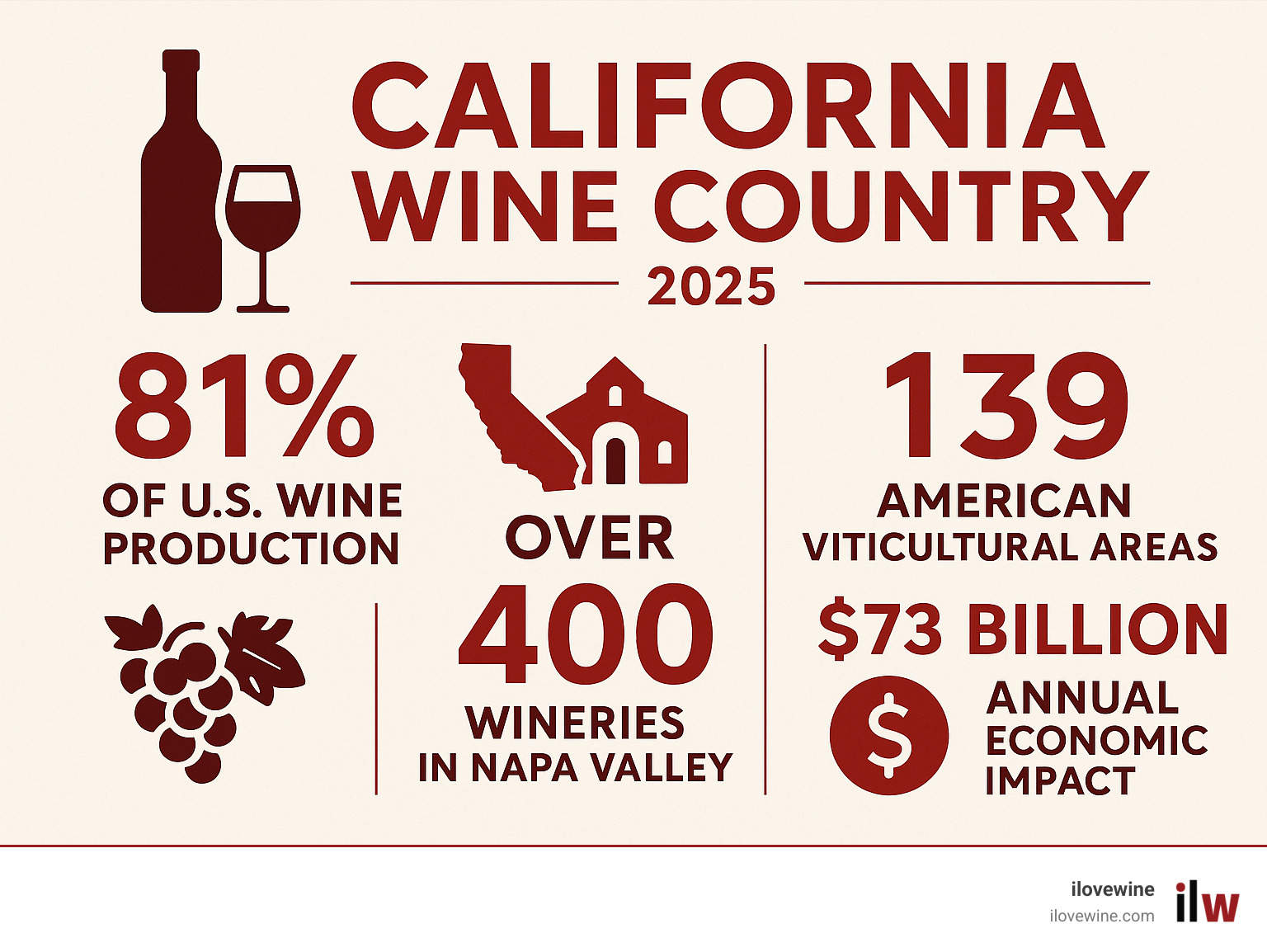
California wine country is one of the world’s premier wine destinations, producing an impressive 81% of all American wine. From Napa Valley’s prestigious Cabernet Sauvignons to Sonoma’s rustic charm, this sun-soaked paradise offers more than exceptional wines. It’s a place where culinary innovation meets breathtaking landscapes, creating unforgettable experiences for every traveler.
Top California Wine Regions to Explore:
- Napa Valley – World-famous Cabernet Sauvignon and luxury experiences
- Sonoma County – Over 500 wineries with a relaxed, down-to-earth vibe
- Paso Robles – Bold reds and laid-back Central Coast charm
- Santa Barbara – Cool-climate Pinot Noir and coastal beauty
- Mendocino – Organic wines and dramatic Pacific coastline
California’s wine industry generates $73 billion in annual economic activity and supports over 1.1 million jobs nationwide. Yet behind these statistics lies a landscape where “incomparable vistas pair seamlessly with generations of passion to create incredible wines.”
From the Mediterranean climate that nurtures world-class grapes to the farm-to-table restaurants that lift wine and food pairings, California wine country offers experiences that go far beyond the tasting room. Whether you’re cycling through Sonoma vineyards or riding the Napa Valley Wine Train, each region tells its own unique story.
As Jonas Muthoni from iLoveWine, I’ve spent years exploring California’s diverse appellations. My travels have revealed that California wine country offers something magical for every wine enthusiast—from luxury resorts to intimate, family-owned cellar doors.
The Crown Jewel: Uncorking Napa Valley
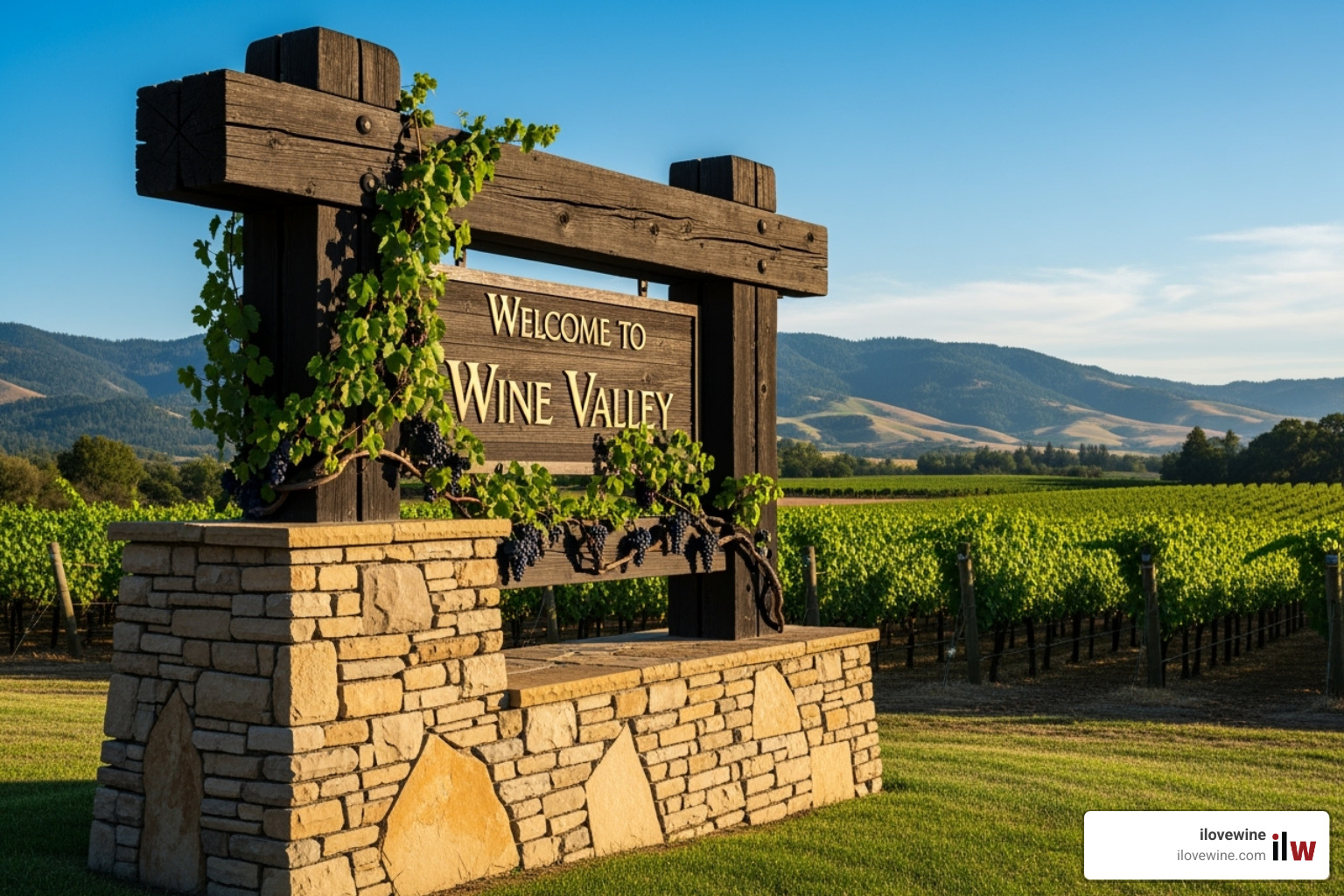
Napa Valley is the crown jewel of American winemaking, a legendary region that defines luxury in California wine country. It draws visitors from across the globe, and for official visitor information, you can explore the Napa Valley tourism website.
Just 50 miles northeast of San Francisco, Napa Valley is home to over 400 wineries and more than 150 restaurants. The culinary scene is world-class, ranging from casual bistros to Michelin-starred establishments.
Despite its fame, Napa Valley produces only about 4% of California’s total wine. The focus here isn’t on quantity; it’s on creating something extraordinary.
What Makes Napa Valley Special?
Napa’s success lies in its geography. The Vaca Range to the east and the Mayacamas Mountains to the west protect the valley, creating a perfect Mediterranean climate. Warm, sunny days and cool nights allow grapes to ripen slowly, developing complex flavors.
Getting around is straightforward. Highway 29 is the main, busier route along the western side of the valley, while the Silverado Trail on the eastern side offers a more scenic drive. Both lead to incredible wine experiences.
Napa’s unwavering commitment to excellence is most evident in its Cabernet Sauvignon. The region’s unique climate and soil create bold, structured Cabernets that can age gracefully for decades.
Exploring Napa’s Towns and Appellations
Napa Valley contains 16 distinct sub-appellations, each with its own personality. Think of them as unique neighborhoods in a great wine city.
| Appellation Type | Notable AVAs | What Makes Them Special |
|---|---|---|
| Valley Floor | Rutherford, Oakville, Stags Leap, Calistoga | Warmer temperatures, rich soils perfect for bold Cabernet Sauvignon and Bordeaux-style blends |
| Mountain | Howell Mountain, Mount Veeder, Spring Mountain | Higher elevations create intense, concentrated wines with powerful tannins |
| Unique Climates | Los Carneros, Oak Knoll | Cooler conditions ideal for neat Pinot Noir and crisp Chardonnay |
Each town has its own character. Yountville is the culinary capital, while St. Helena offers a sophisticated blend of historic wineries and boutique shops. Calistoga is famous for its natural hot springs and mud baths, offering a laid-back, therapeutic vibe. The city of Napa serves as the valley’s cultural hub.
Notable Wineries and Experiences
Napa offers experiences beyond traditional tastings. The Napa Valley Wine Train provides a gourmet meal on a journey through wine country. Hot air balloon rides at sunrise offer breathtaking views, while Sterling Vineyards’ aerial tram whisks visitors to a hilltop winery with panoramic vistas.
Don’t overlook Napa’s sparkling wine scene, where prestigious French Champagne houses have established operations. For a more personal touch, visit the valley’s historic family-owned estates for intimate glimpses into Napa’s winemaking heritage.
For those who want to deepen their connection, joining a wine club is a great option. Our guide to Wine Clubs in Napa can help you find the perfect way to bring Napa’s magic home.
Planning Your Perfect California Wine Country Getaway
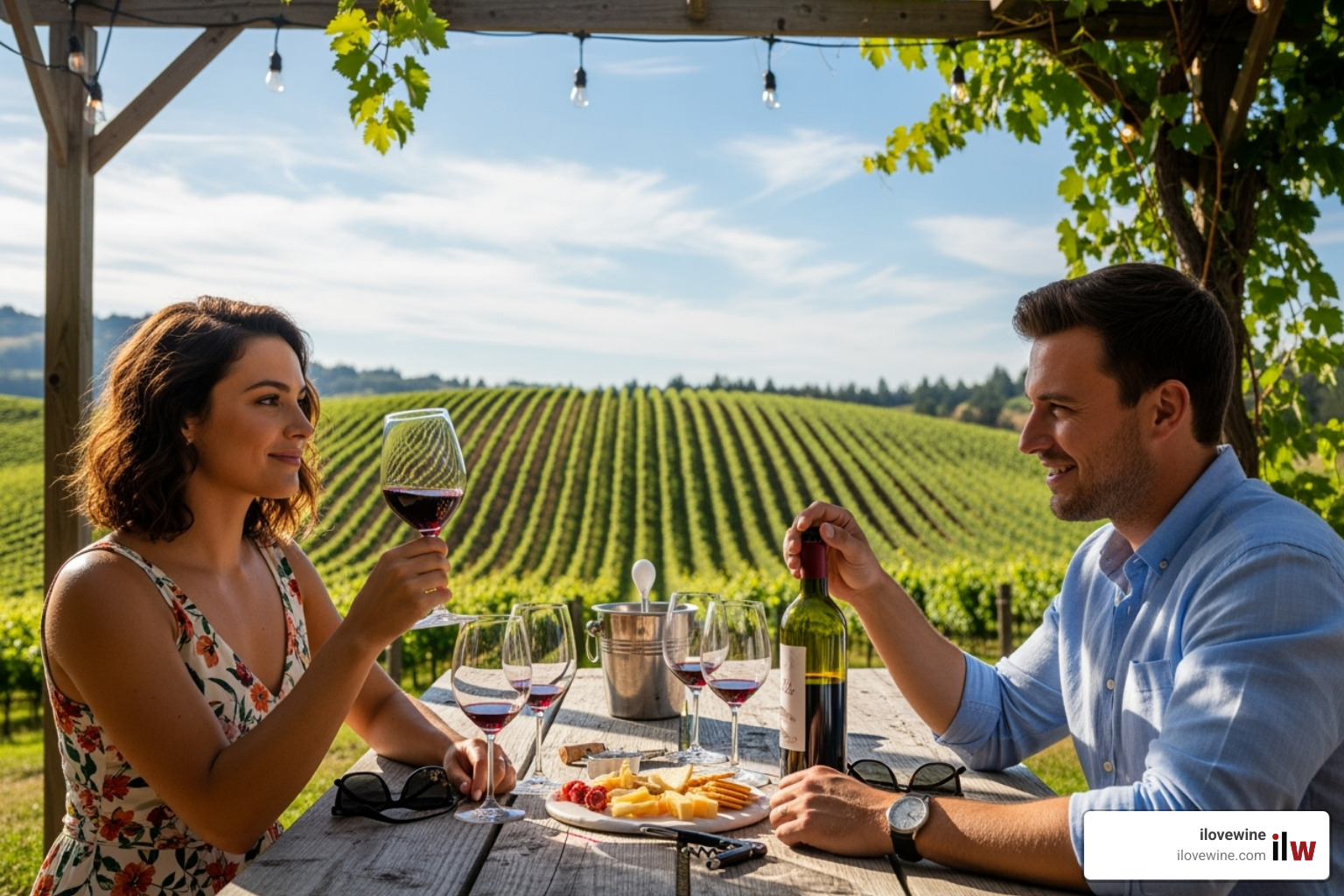
Planning a trip to California wine country is exciting, and getting the logistics right is key to an extraordinary getaway. From choosing the right airport to timing your visit, a little planning goes a long way.
Getting There: Flying and Driving
Getting to California wine country is easy. Several airports serve the region, with scenic drives making the journey part of the trip.
- Sonoma County Airport (STS): The closest option, just 32 miles from Napa Valley, offering a convenient, small-airport experience.
- Oakland International Airport (OAK): About 51 miles away, often with competitive flight prices.
- San Francisco International Airport (SFO): The major international hub, roughly 58 miles away, with the most flight connections.
- Sacramento International Airport (SMF): A great choice for those coming from the east, about 63 miles away with typically easy traffic.
The drive from San Francisco to Napa Valley takes about 1 to 1.5 hours. From Los Angeles, it’s a stunning 400-mile road trip that takes 6-7 hours. For those already in the Bay Area, our guide to Wineries Near San Francisco is a great resource.
What to Expect in California Wine Country by Season
There’s no bad time to visit California wine country, as each season offers its own unique charm.
- Spring (March-May): The vineyards are vibrant green, with golden wild mustard blooms creating a stunning backdrop. The weather is pleasant, and the crowds are smaller.
- Summer (June-August): Expect warm, sunny days perfect for patio dining. This is peak season, so book in advance, but you’ll find the most events and longest tasting room hours.
- Harvest (August-October): The most exciting time to visit. The air is filled with the aroma of fermenting wine, and the energy is contagious. Many wineries host special harvest events.
- Winter (November-February): Known as “Cabernet Season,” this is a quieter, more intimate time. Enjoy cozy fireside tastings and great deals on accommodations. The bare vineyards have their own stark beauty.
For those planning a special occasion, our Napa Valley Romantic Packages can help you create unforgettable memories.
The California Palate: Key Grapes and Cuisine
The magic of California wine country extends to its culinary paradise, where the farm-to-table movement pairs fresh, local ingredients with the region’s incredible wines.
Signature Grape Varietals and Wines
California grows over 100 grape varieties, but a few have become true stars, telling the story of the state’s diverse climate and terrain.
- Chardonnay: As California’s most planted grape, it offers styles from crisp and citrusy to rich and buttery. For more, see our guide to California White Wine.
- Cabernet Sauvignon: Napa Valley made this grape world-famous, crafting bold, full-bodied wines with notes of blackcurrant and cedar that can age for decades.
- Pinot Noir: This neat grape thrives in cooler climates like Sonoma’s Russian River Valley, offering delicate aromas of cherry, raspberry, and earthy undertones.
- Zinfandel: Considered California’s heritage grape, it produces fruit-forward wines with notes of blackberry and black pepper. Our California Zinfandel Producers guide explores this variety.
- Merlot: A softer, approachable style with notes of plum and chocolate.
- Sauvignon Blanc: Delivers crisp refreshment with bright acidity and flavors of grapefruit and passionfruit.
Essential Food and Drink Specialties
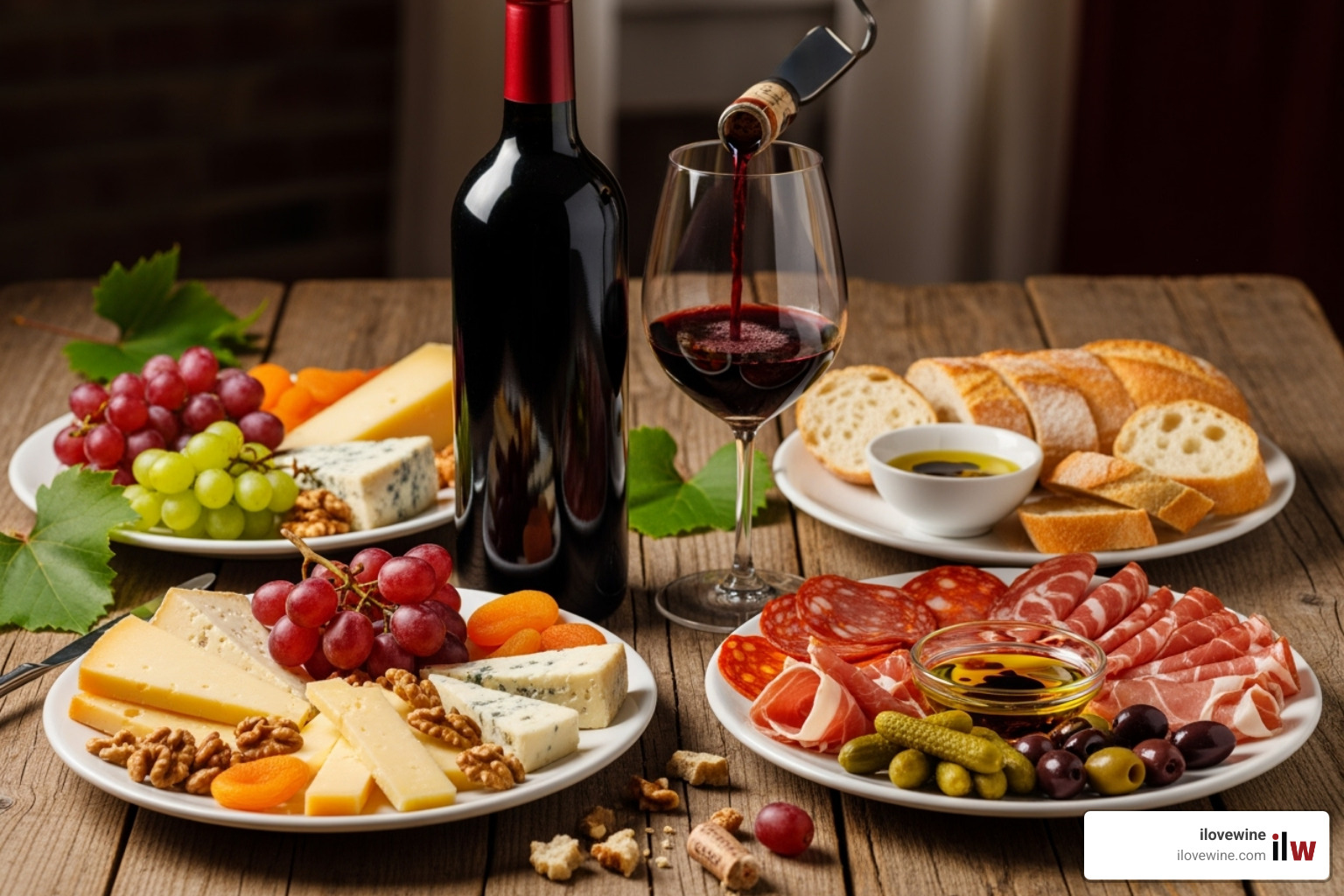
The food scene in California wine country is exceptional. Oxbow Public Market in Napa is a must-visit culinary hub with artisanal cheeses, fresh charcuterie, and gourmet food stalls. The region’s celebrated fine dining scene, especially in Yountville, features Michelin-starred restaurants that showcase ingredients grown just steps away.
California-inspired dishes often blend global flavors with local ingredients, like wood-fired pizzas and pasta with fresh herbs. A fun fact: ranch dressing was invented in Santa Barbara in 1954. The region also excels in artisanal cheese and olive oil, with many local producers offering tastings that complement the wine experience.
Beyond Napa: Other Notable Wine Regions
While Napa is the “Crown Jewel,” California wine country offers a treasure trove of other exceptional regions, each with its own personality, climate, and signature wines.
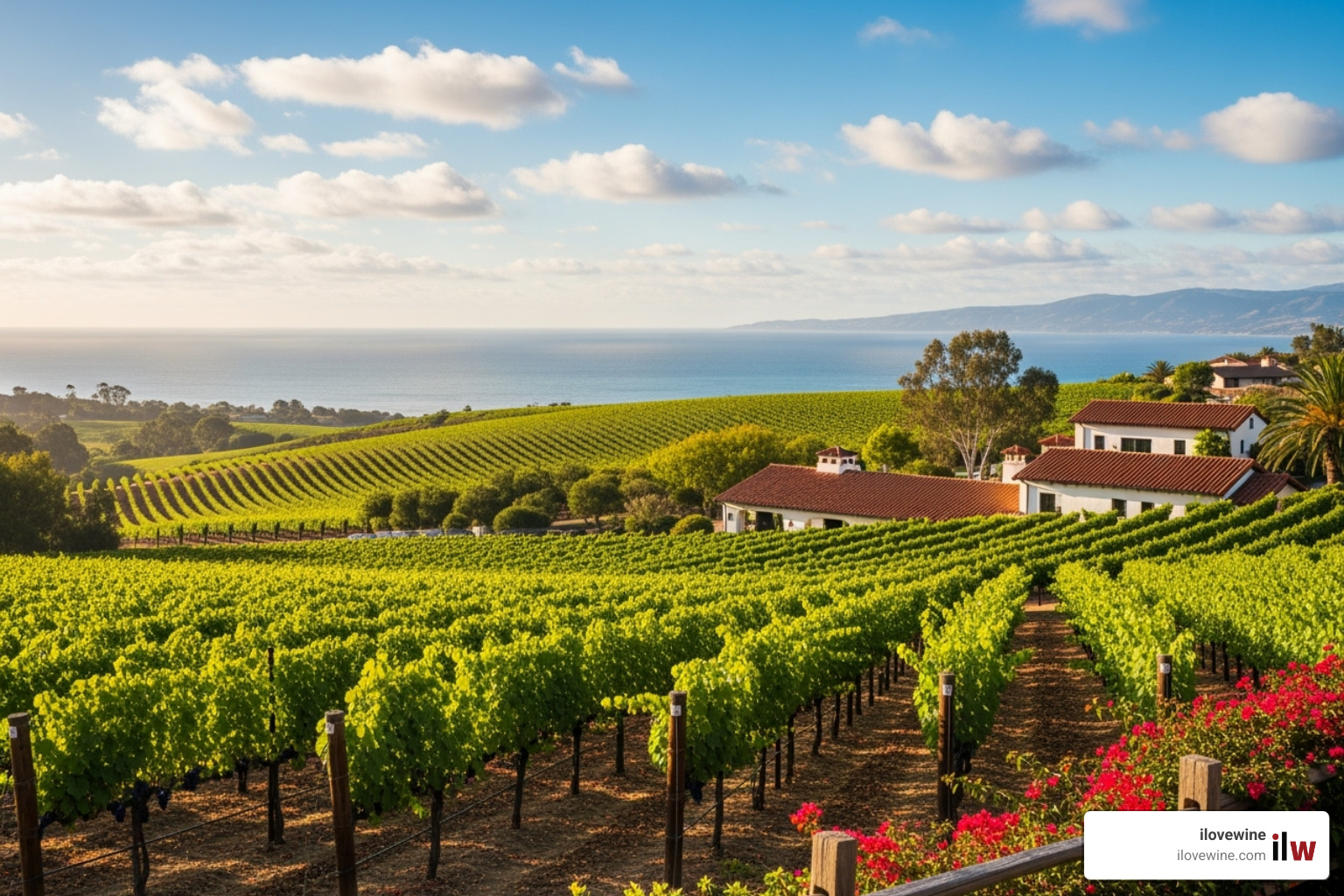
From the fog-kissed vineyards of Sonoma to the sun-drenched hills of Paso Robles, these regions offer experiences that are just as memorable as Napa, often with a more relaxed atmosphere and better value.
Sonoma County: Napa’s Rustic Neighbor
Just west of Napa, Sonoma County offers a more relaxed, rustic alternative. With over 500 wineries across a diverse landscape, it’s known for its down-to-earth authenticity. You can Explore Sonoma County to plan a visit. Healdsburg is a charming, walkable town with numerous tasting rooms, while the Russian River Valley is famous for its cool-climate Pinot Noir and Chardonnay. Sonoma’s diversity allows you to taste a wide range of wines in a single day, from sparkling to bold Zinfandels. For a detailed comparison, see our guide on Comparing America’s Epic Wine Countries: Napa and Sonoma.
Exploring More of California Wine Country
The trip continues across the state in a diverse mix of wine regions:
- Paso Robles: Located on the Central Coast, this region has a cowboy-charm feel and is known for bold Zinfandels and Rhône varietals like Syrah.
- Santa Barbara County: Famous for cool-climate Pinot Noir and Chardonnay, this coastal region offers a romantic setting where vineyards meet the sea.
- Lodi: Home to some of California’s oldest Zinfandel vines, this region offers an authentic agricultural experience away from the crowds.
- Temecula Valley: Just an hour from San Diego, this Southern California destination combines wine tasting with outdoor trips like hot air ballooning.
- Mendocino County: This coastal region is a leader in organic and biodynamic winemaking, set against a backdrop of dramatic coastlines and redwood forests.
Even urban areas have a wine scene. Our guide to the Best Wineries in Los Angeles uncovers hidden gems in the heart of the city.
The State of the Vine: Current Industry Trends
California wine country is navigating challenging times, as farmers and winemakers face a perfect storm of economic pressures. The reality is sobering: to restore market balance, growers removed over 35,000 acres of vineyards in 2024, with experts believing another 50,000 acres may follow. In 2024, over 350,000 tons of winegrapes were left unharvested because there was no market for them.


What’s driving these changes? A primary factor is a shift in consumer preferences away from domestic “value wines” (under $12), while lower-cost imported wines gain market share. This oversupply crisis has been compounded by rising costs for labor and water, alongside threats from wildfires and droughts.
The COVID-19 pandemic created a temporary sales bubble that masked these issues. When it burst, the underlying problems became clear. The impact is felt by family farmers, farmworkers, and entire communities. Some growers are pivoting to other crops like agave or olives, while others are forced to abandon their vines.
A major concern is the permanent loss of prime farmland to development, which threatens California’s agricultural heritage. Yet, there is hope. The wine tourism industry remains resilient, and wineries are adapting with sustainable practices.
Every wine purchase matters. Choosing a California wine supports local families and sustainable farming. The industry has weathered storms before, and we’re optimistic about How California’s Wine Country Tourism Could Evolve to meet these new realities.
Frequently Asked Questions about California Wine Country
Planning a trip to California wine country can be overwhelming. Here are answers to common questions to help you plan the perfect getaway.
What is the best time of year to visit California wine country?
There’s no bad time to visit, as each season offers a unique experience. Your choice depends on your preferences for crowds and activities.
- Fall (August-October): The busiest and most exciting time for harvest.
- Spring (March-May): Beautiful scenery with blooming wildflowers and fewer crowds.
- Summer (June-August): Warm and lively, but it’s peak season with higher prices.
- Winter (November-February): A quieter, more intimate “Cabernet Season” with cozy tastings and better deals.
Is Napa or Sonoma better for a first-time visitor?
It depends on your style. Both are exceptional.
- Napa Valley: The best choice for luxury, prestige, and world-famous Cabernet Sauvignon. It’s more concentrated and glamorous but also more crowded and expensive.
- Sonoma County: Ideal if you prefer a relaxed, down-to-earth vibe. It’s larger, more diverse in its wine offerings, and generally offers better value.
For first-timers seeking the “classic” luxury experience, choose Napa. For variety, value, and a laid-back trip, Sonoma is a fantastic choice.
How much does a typical wine tasting cost?
Tasting fees in California wine country vary widely.
- Smaller, family-owned wineries: Typically $25-$40 for a standard tasting.
- Mid-tier wineries: Usually $40-$75, often in more polished settings.
- Premium and iconic estates: Can be $75-$150 or more for reserve tastings or food pairings.
Money-saving tip: Most wineries waive the tasting fee if you purchase wine, making the tasting essentially free. Always ask about their policy, as some apply the fee toward a minimum purchase.
Special experiences like blending seminars or chef-paired dinners can range from $100-$300 or more but create unforgettable memories.
Conclusion
California wine country offers an unforgettable blend of world-class wines, innovative cuisine, and stunning landscapes. From the prestigious vineyards of Napa Valley to the rolling hills of Sonoma, this remarkable region provides a magical experience for every wine enthusiast.
The diversity is incredible. Whether you’re drawn to Napa’s iconic Cabernet Sauvignons, Sonoma’s laid-back charm, or the emerging gems of the Central Coast, each region tells its own unique story through its wine and people.
We’ve explored the geography that shapes these world-class wines, the key varietals that define the region, and the vibrant farm-to-table culinary scene. While the industry faces challenges, the passion for winemaking and the allure of this beautiful place shine through. Every bottle you choose supports the hardworking families and sustainable practices that keep these landscapes thriving.
Whether you’re planning a romantic getaway or a deep dive into viticulture, California wine country is a destination for all senses. The perfect wine vacation awaits, and we encourage you to start planning your trip.
Let iLoveWine be your trusted guide. You can Find the best wine resorts for your next vacation and start planning your perfect wine vacation today.
What's Your Reaction?
